
We test before we treat
Reading the water first isn't optional to us.
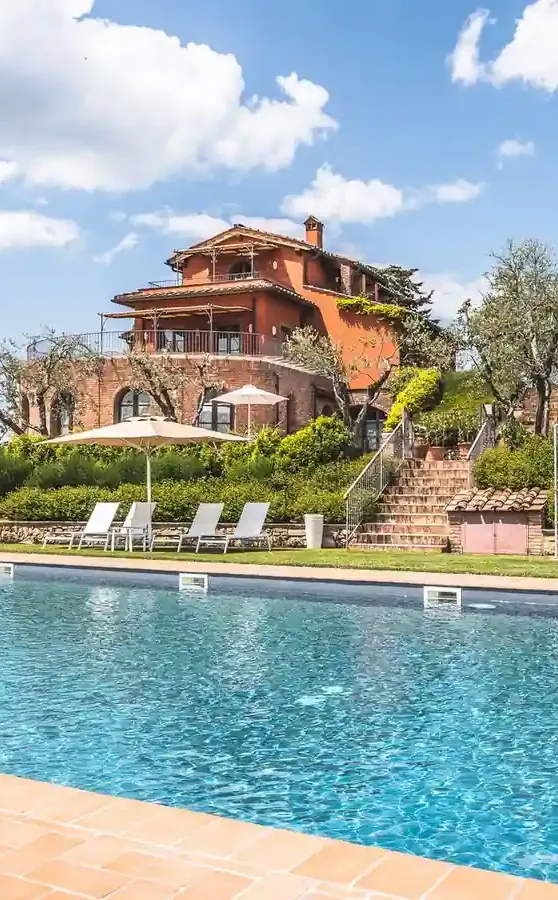
Al Karamah pools sit between heavy truck routes and the coast, in a newly planned district with moderate population density. Water receives diesel dust from Al Lith Road and humidity from the sea, and this mixture makes sediment stick fast. Testing shows the filter is under more strain than pools in inland quarters.
Al Karamah pool water turns grey faster than inland districts because humidity from the sea makes dust adhere instead of simply falling. For the method itself, see our guide to swimming pool cleaning.
Al Karamah sits beside Al Lith Road, which carries heavy lorries. Black diesel dust falls into the water constantly, especially on days when wind blows north from the south. Testing shows oxidation is high, and chlorine burns fast fighting contaminants.
Al Karamah is nearer the coast than inland quarters, and humidity rises from south and east. This humidity makes sediment stick to the filter instead of passing through it. Backwash needs higher pressure and very clean feed water.
Al Karamah's modern plan spreads open areas around pools. This means wind reaches the water straight without buildings to slow it. Contaminants enter faster, and testing needs regular rhythm to stay ahead.
Al Karamah is a newer residential district on the eastern edge of south Jeddah, with modern planning and relatively low density within this inland-coastal transition zone, served by Al Lith Road and the Middle Ring Road corridors.

Testing water in Al Karamah needs oxidation and chlorine checks because Al Lith Road pollution is constant.
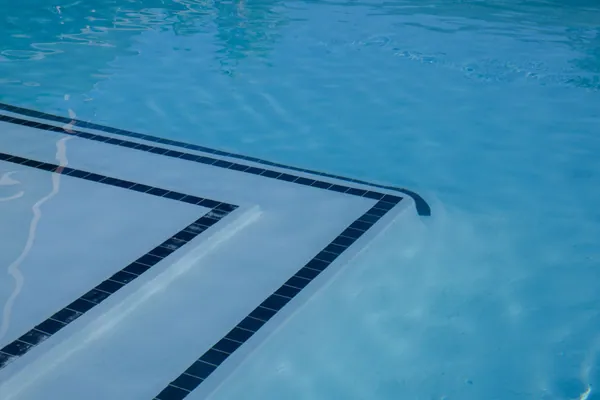
Brushing is harder because humidity makes sediment stick instead of sliding.
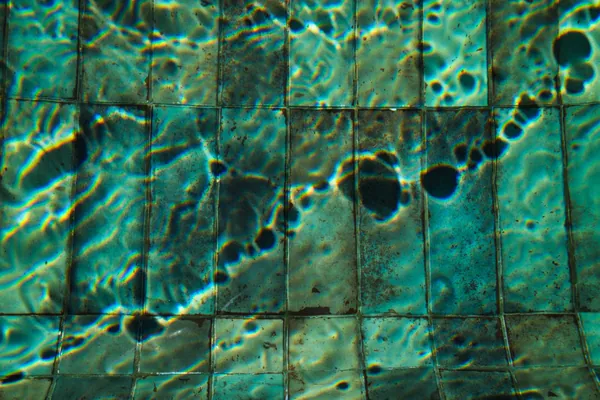
Vacuuming is frequent because heavy dust settles on the floor fast.
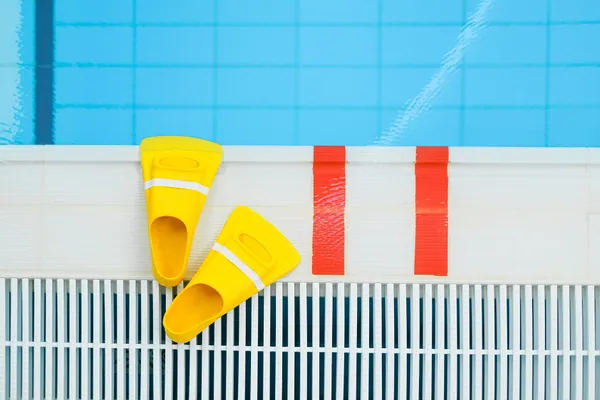
The skimmer fills with leaves and dust, so regular emptying is routine.
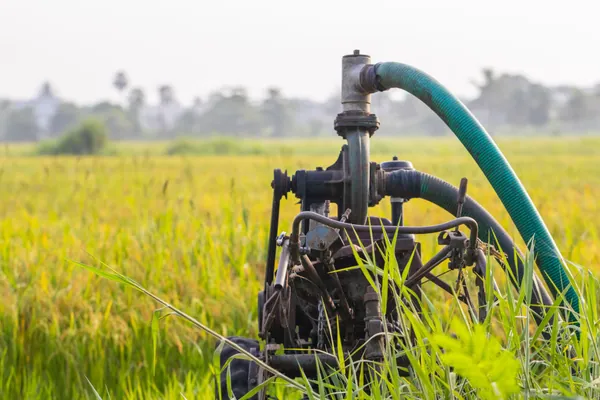
Backwash needs higher pressure and very clean water to avoid recontamination.
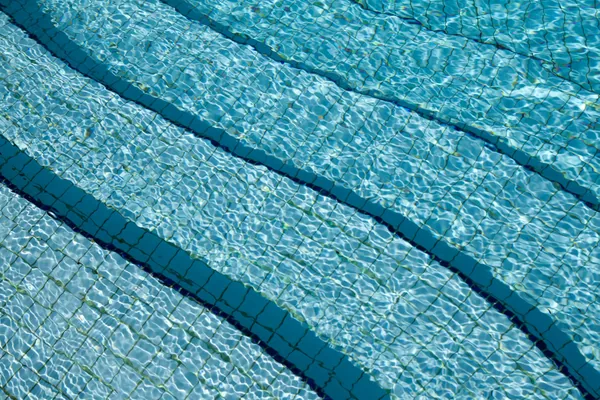
Chemical balance drifts because pollution from the road and coastal humidity arrive together.
pH, sanitiser and hardness are read at the start.
Floating leaves and debris come off before we brush.
Algae and the oily waterline film cling to the surfaces.
Silt settles in the deep end and the corners the return jets never reach.
The skimmer and pump baskets are cleared and the filter checked or backwashed.
With the water clean, we balance and dose, then walk the pool with you before leaving.
Mixed district: shops at street level with homes above them
Mixed-use pools in Al Karamah mean that road pollution and coastal humidity affect every home the same way, so water needs regular testing and responsive balance adjustment.
Reading the water first isn't optional to us.
The company runs a large crew, and we send a team rather than one person.
Pumps, vacuum heads and the test kit come with the team.
If the pump or the plumbing is the real problem, we tell you.
Photographs from real jobs carried out by the crew.












The commitment is simple enough to actually keep: we don't leave until you've seen the result and had your say on it.
South Jeddah runs from the port and the industrial city down towards Al Khumrah, and homes here sit between the sea and the heavy goods roads. The dust is darker and oilier than in the north, a mix of diesel soot and workshop grit, and it clings to net curtains, window sills and the tops of kitchen cupboards. Floors in the older low rise housing are often plain cement or ceramic tile that darkens where soot is walked in. Humidity from the coast adds mildew in bathrooms and a musty smell in stored fabrics.
We provide these in Al Karamah too, and more than one can share a single visit.



