
We test before we treat
Reading the water first isn't optional to us.
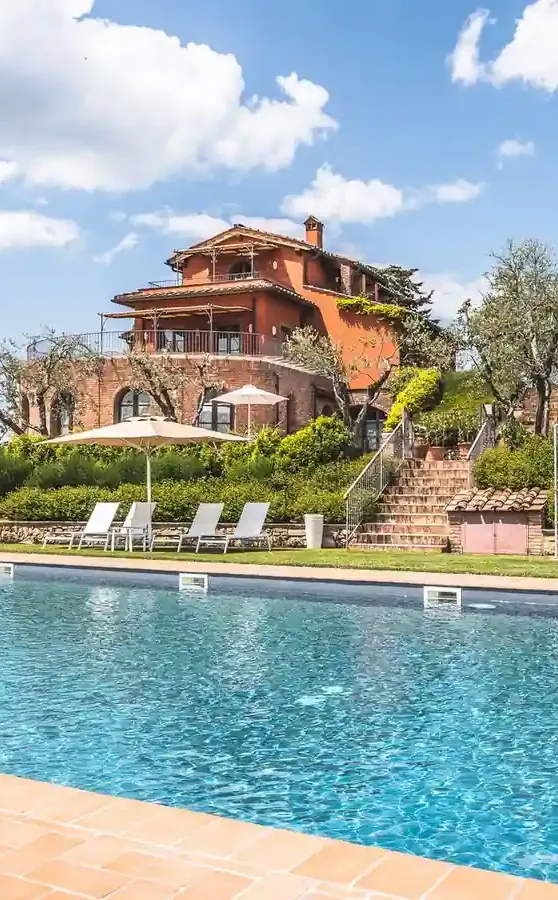
Al Hamra pools face three distinct pressures that set them apart: high coastal humidity, proximity to tall residential towers and hotels that stress water systems, and ageing copper and iron pipework that leaches metallic particles into the water. This combination means that chemical testing is not optional but essential, scheduled weekly at minimum.
Pools here suffer more chemical instability than other districts because of mixed use patterns: residents, hotel guests, and shared water infrastructure between adjoining residential blocks. For the method itself, see what swimming pool cleaning involves.
Most villas in Al Hamra were built at least twenty years ago, and aged copper and iron supply lines release fine metal particles into the water. This causes cloudiness and a faint yellow tint, requiring specialised testing and treatment, not just brushing.
Tall residential and hotel blocks around Al Hamra discharge warm humid air directly onto pools. If the pool sits near a hotel entrance or car park, engine fumes and road dust add extra burden to the treatment system, competing with the chemical balance.
In hotels and compounds, repeated use and radiant heat from surrounding pavements and walls create ideal algae conditions. Daily or near-daily testing here is not excessive but necessary, a cost of prevention rather than correction.
An established upmarket district on the Red Sea coast stretching between the Corniche and Madinah Road, where villas sit alongside apartment towers and hotels, raising the complexity of managing salinity and humidity.

Testing Al Hamra water starts with iron and copper levels, because aged pipework continuously leaches these metals into the pool, and metal removal must happen before pH adjustment.
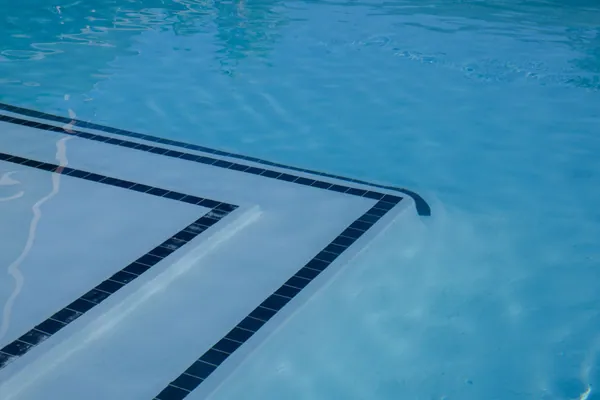
Wall and floor brushing is weekly here rather than fortnightly, because algae exploits the heat, humidity and heavy use patterns unique to this district and its tower neighbours.
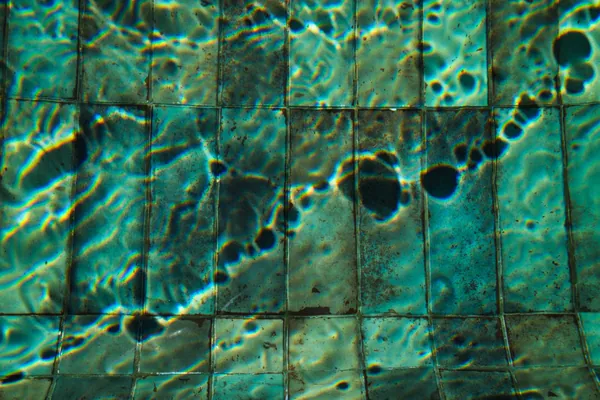
Floor vacuuming removes metallic sediment and early algal growth, especially after heavy use periods from adjoining hotel operations or weekend guest activity.

Skimmer and basket cleaning is daily or near-daily here, because external contaminants from air movement and surrounding activity enter the pool at higher rates than in quiet residential areas.

Filter backwash needs more frequent cycles than other areas because metallic particles and algal debris clog the media faster, reducing flow and raising pressure.
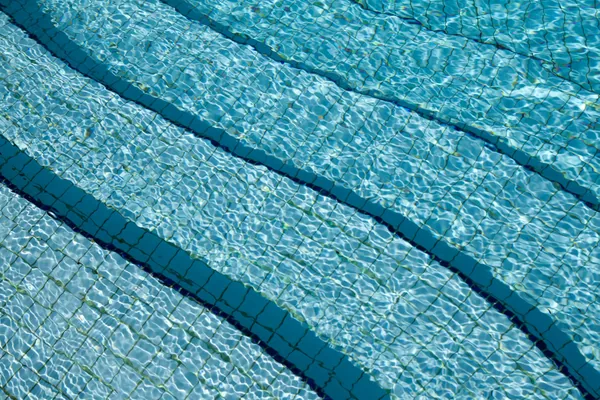
Resetting chemical balance requires tests for iron, copper, pH and alkalinity, then carefully dosed treatment to address metals before adjusting sanitiser or pH.
pH, sanitiser and hardness are read at the start.
Floating leaves and debris come off before we brush.
Algae and the oily waterline film cling to the surfaces.
Silt settles in the deep end and the corners the return jets never reach.
The skimmer and pump baskets are cleared and the filter checked or backwashed.
With the water clean, we balance and dose, then walk the pool with you before leaving.
Reading the water first isn't optional to us.
The company runs a large crew, and we send a team rather than one person.
Pumps, vacuum heads and the test kit come with the team.
If the pump or the plumbing is the real problem, we tell you.
Photographs from real jobs carried out by the crew.












The commitment is simple enough to actually keep: we don't leave until you've seen the result and had your say on it.
Coastal area: high humidity and salt air through the year
Coastal zones like Al Hamra mean salt and humidity affect not just metal surfaces and walls, but change how chemicals behave in the water itself. We use advanced testing and dose adjustments specific to coastal conditions, not standard inland protocols.
We provide these in Al Hamra too, and more than one can share a single visit.



