
We test before we treat
Reading the water first isn't optional to us.
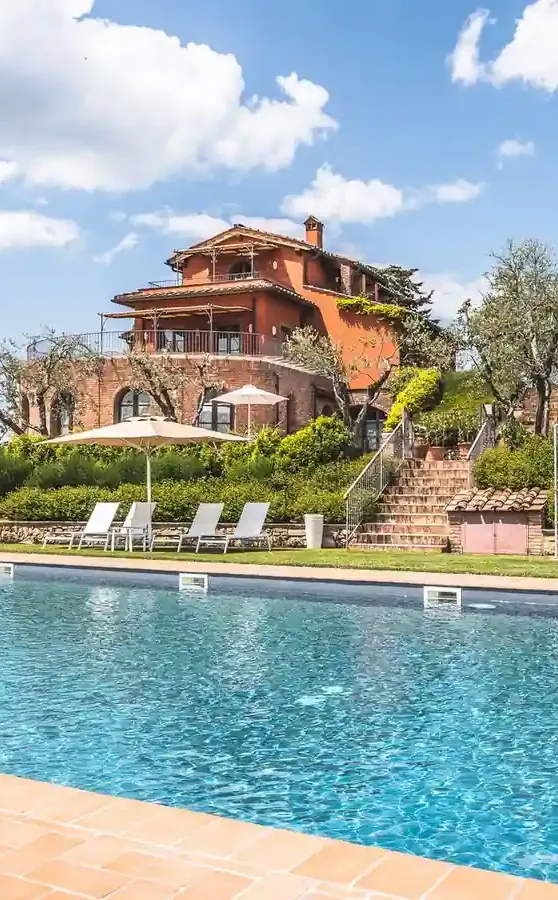
Al Adl West is a mixed residential district between the Old Makkah Road and the Expressway, and pools here face a different challenge: diesel soot and oily dust from heavy vehicles and workshops settle on the water and walls constantly. Oily pollutants prevent chlorine from working, and coastal humidity adds mildew to this already complicated picture.
Residents often notice strange water smell first before visible discolouration appears, because fine soot clouds the water gradually in ways that seem minor until the problem compounds. For the method itself, see our guide to swimming pool cleaning.
Oily pollutants form a film that prevents chlorine from reaching the water effectively. Chlorine readings may look adequate but the film blocks it from working, so chemical treatment and deep vacuuming come first, before any other steps.
Plain cement floors and stone walls in older housing absorb soot and salts, and ordinary concrete darkens where dusty footprints are walked in. Cleaning these surfaces requires different technique than modern tile.
Oily soot mixes with sea humidity to form a sticky layer that clings to fabric and metal alike. In pools, this mixture speeds algae growth and filter decay even with routine cleaning.
The district sits between heavy goods routes and the sea, meaning constant exposure to diesel soot and oily particles from engines and workshops, plus coastal humidity that worsens mould growth and makes pollutants stick to every surface.

Testing for oily pollutants and soot comes first here, because chlorine cannot work effectively until we remove the oily film blocking the water.
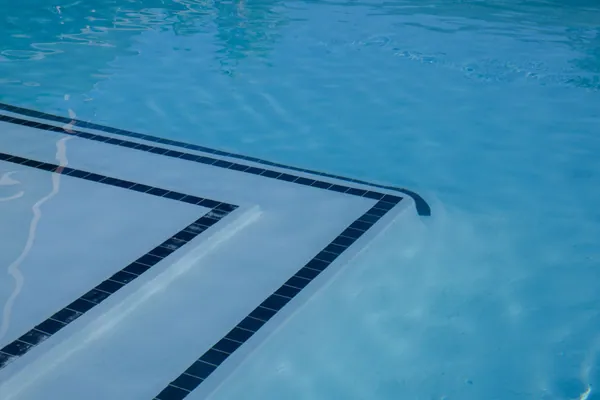
Brushing cement and stone walls needs special care because soot penetrates the pores quickly and may not lift with light brushing alone.
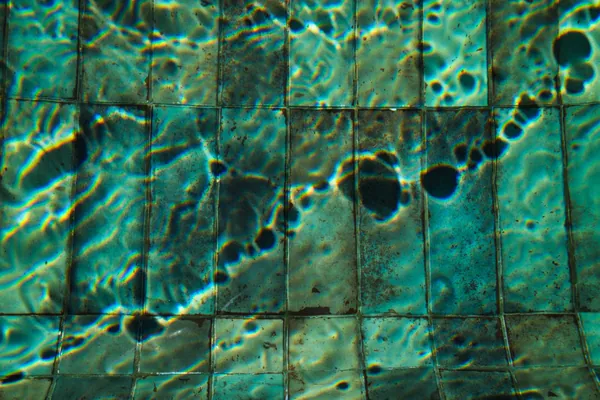
Vacuuming the floor is essential here because it removes heavy deposits of soot and oils that settle and harden over time.
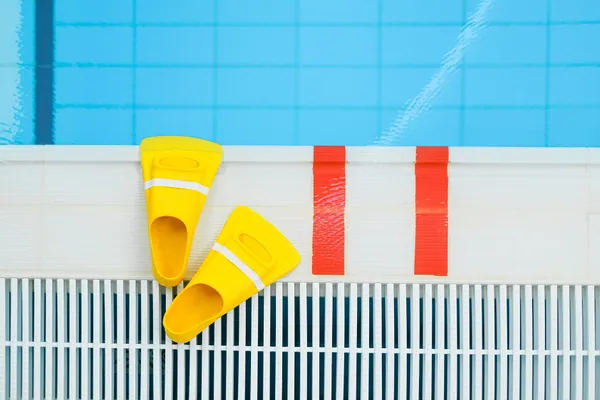
Cleaning the skimmer and baskets requires careful attention because they fill rapidly with oily pollutants and heavy particles.
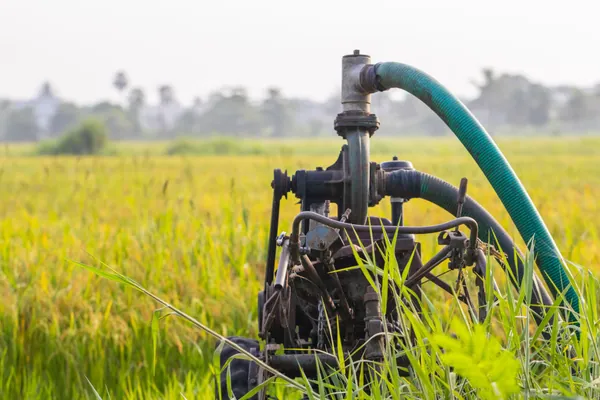
Filter backwashing is more vigorous and frequent here because soot and oils penetrate deep into the filter media.
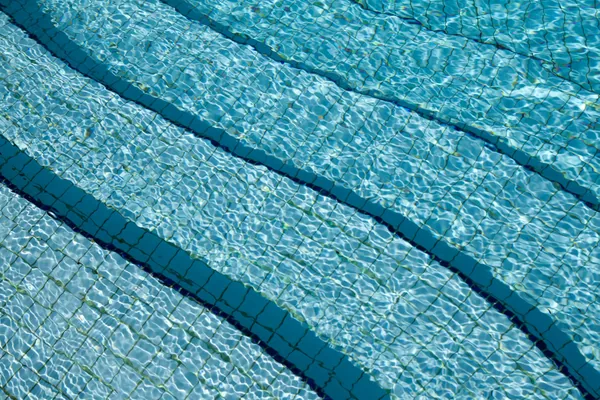
Chemical balance adjustment focuses on breaking down oily pollutants before adding chlorine, because chlorine alone cannot succeed in a contaminated environment.
pH, sanitiser and hardness are read at the start.
Floating leaves and debris come off before we brush.
Algae and the oily waterline film cling to the surfaces.
Silt settles in the deep end and the corners the return jets never reach.
The skimmer and pump baskets are cleared and the filter checked or backwashed.
With the water clean, we balance and dose, then walk the pool with you before leaving.
Reading the water first isn't optional to us.
The company runs a large crew, and we send a team rather than one person.
Pumps, vacuum heads and the test kit come with the team.
If the pump or the plumbing is the real problem, we tell you.
Photographs from real jobs carried out by the crew.












The commitment is simple enough to actually keep: we don't leave until you've seen the result and had your say on it.
South Jeddah runs from the port and the industrial city down towards Al Khumrah, and homes here sit between the sea and the heavy goods roads. The dust is darker and oilier than in the north, a mix of diesel soot and workshop grit, and it clings to net curtains, window sills and the tops of kitchen cupboards. Floors in the older low rise housing are often plain cement or ceramic tile that darkens where soot is walked in. Humidity from the coast adds mildew in bathrooms and a musty smell in stored fabrics.
We provide these in Al Adl West too, and more than one can share a single visit.



