
We work empty homes daily
An empty home is a different job from a lived-in one, it exposes everything and lets us reach it.
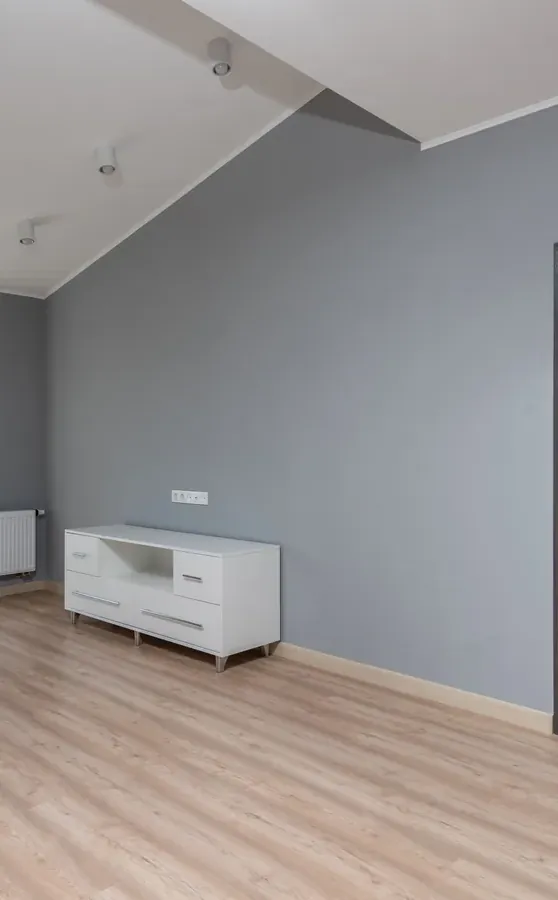
Al Gharbiyah is a new development on the northern coastal extension, and vacant plots around each home bring fine sand with every wind gust. An empty home here reveals sprinkler rings on marble and porcelain, and sea salt film on windows that stays hidden by curtains in an occupied home.
Marble and porcelain floors in these homes scratch easily from tracked sand, and wet tiles become slippery quickly from accumulated sea salt deposits. For the method itself, see what move-in and move-out cleaning involves.
Most homes have a garden or courtyard, and fine sand enters on footwear onto marble and porcelain surfaces. Dry cleaning before wet mopping prevents scratching, and this additional step applies to every home in the district.
Near the beach and creek, air deposits a faint salt film on windows, glass and outdoor cushion covers. This layer hardens in heat and sunlight and requires deep scrubbing, not routine wiping.
Irrigation systems leave spray marks that dry as white mineral rings on floors and surfaces throughout the garden side of the home. An empty space exposes these rings on every horizontal surface.
A new urban extension near the coast with mostly modern villas and compounds, each with gardens or courtyards that admit sand and salt-laden air.
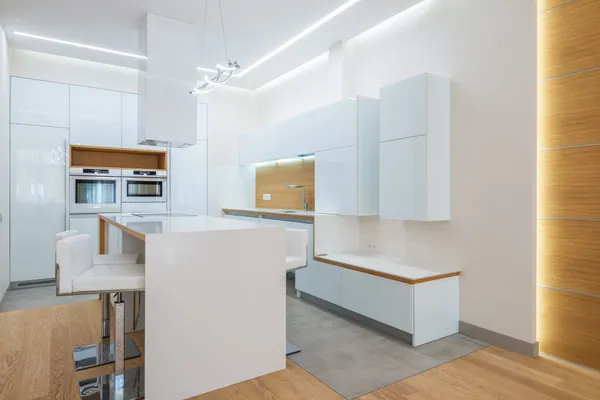
Cabinets in new homes are deep and wide, and interior cleaning removes coastal humidity and salt particles that infiltrate through external air circulation.
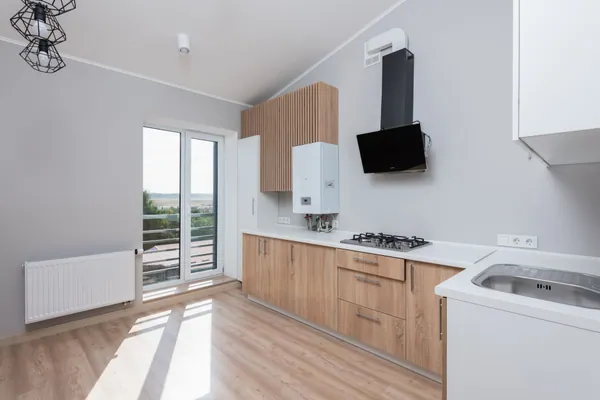
The kitchen in new homes carries residual construction dust behind appliances and around the cooker, and corners need deep scrubbing.
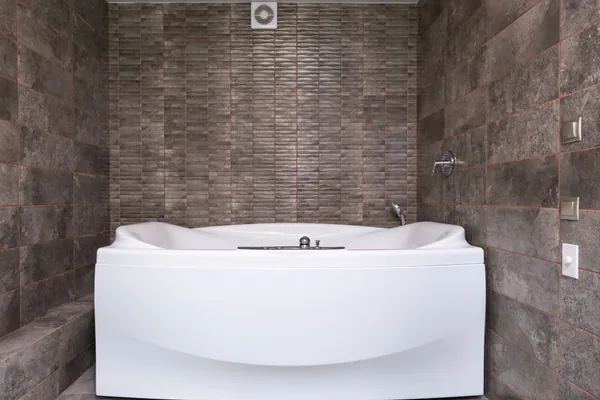
Bathrooms in new coastal homes accumulate sea salt on mirrors and taps, and mineral buildup requires specialised treatment.
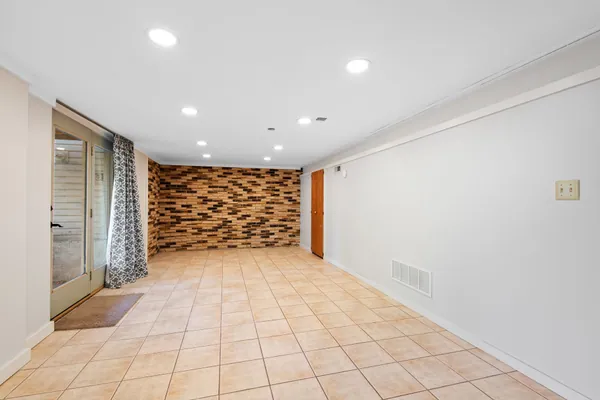
Marble and porcelain floors in new homes require dry cleaning before wet mopping, as sand scratches these surfaces immediately if not removed first.
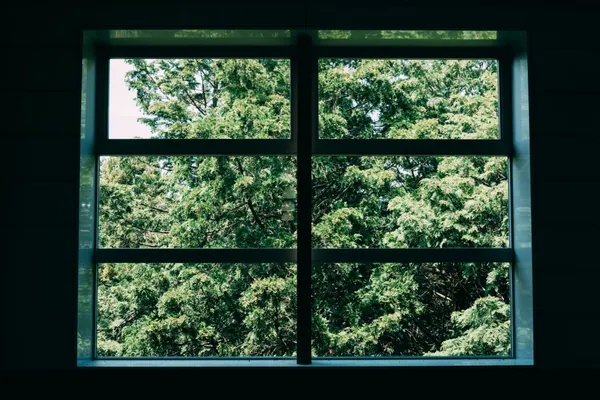
Large windows in new compounds collect sea salt and sand together, and sills need repeated scrubbing.

External doors, switches and lighting fixtures carry sea salt film, and cleaning requires repeated wiping to fully remove this layer.
We go room to room, note the condition, and agree what's dirt to clean versus damage to report.
Ceiling corners, vents, light fixtures, tops of cabinets and doors, dusted before any water touches a surface, so we're not turning that dust into streaks lower down.
Empty is the moment.
Degrease the counters and fronts, then clean the walls and floor where the stove and fridge stood.
Scale on glass and taps and the grout between tiles is broken down, not just wiped over.
Floors come last, after the dust above has settled and been cleared.
An empty home is a different job from a lived-in one, it exposes everything and lets us reach it.
We send a team, not one person.
Degreasers, descalers and machines arrive with the team.
At the walk-through we tell you plainly what's cleaned and what's wear the clean can't fix, so you're not surprised at your own handover.
Photographs from real jobs carried out by the crew.












The commitment is simple enough to actually keep: we don't leave until you've walked the property and told us what you think.
North Jeddah is largely newer villa districts and compounds around Obhur and inland from it. Homes here tend to have marble or porcelain floors, large windows and a garden or courtyard, so the routine is set by what comes in from outside: fine sand carried on sandals, and sprinkler spray that dries to a chalky ring on tiles. Near the creek and the coast, sea air leaves a faint salt film on glass and on outdoor cushions, which stiffens fabric. Curtains and upholstery in these open plan rooms catch the dust that settles overnight.
We provide these in Al Gharbiyah too, and more than one can share a single visit.



