
We test before we clean
Testing the solution on a hidden edge is a step we treat as necessary, not optional.
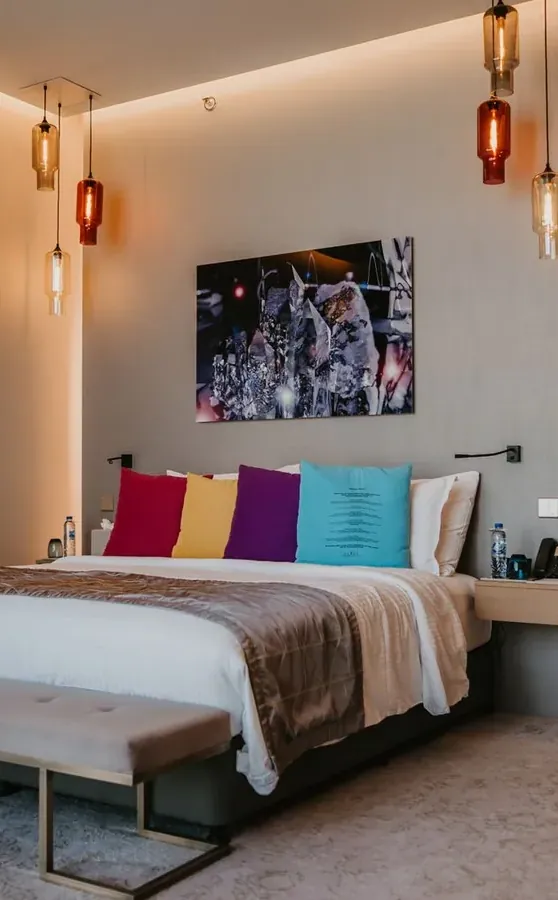
Al Safhah is a simple eastern neighbourhood far from the sea, where coarse dust from vacant plots enters homes quickly and settles deep into mattress layers. Cleaning here starts by removing that embedded grit before working deeper into the fibres, because mattresses absorb the heavier particles that change how sleep feels and invite moisture.
Ceramic tile floors are common here, and dust buildup on mattresses calls for deep suction each time before any stain work can begin. For the method itself, see what mattress cleaning involves.
Dust particles from vacant land are larger and heavier, so they drive deeper into the mattress than coastal dust does. Standard vacuuming cannot extract what has already sunk below the surface, leaving the mattress feeling heavier and harder to air.
The blend of body sweat and coarse dust leaves stubborn marks in places where the grit settles first. These stains need local treatment before deep suction, because dry grit actually shields the stain from moisture.
The drier air in the east does allow rapid drying, but mattress moisture after wet extraction still needs real air movement. Opening a window alone is not enough if the mattress is thick or the room has poor cross-flow.
The air is drier and the dust is coarser and paler than on the coast, slipping under doors and settling on every surface before dawn.
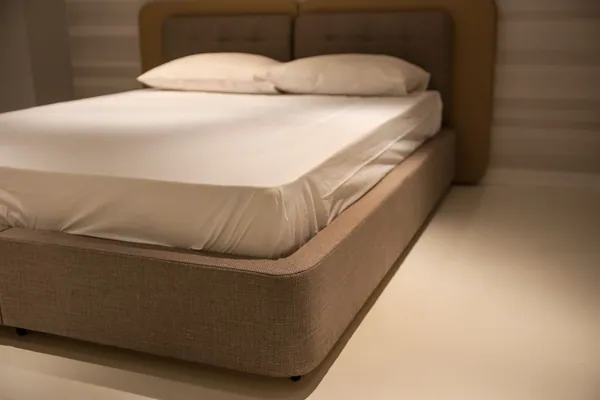
Mattresses here are often standard models rather than luxury types, and grit enters through seams more readily than in other areas.
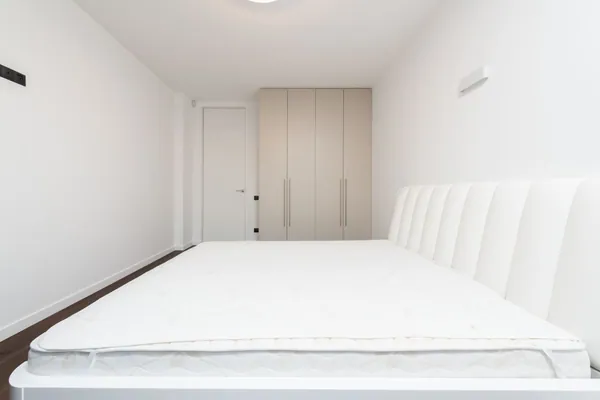
The first pass vacuum is deep and strong because coarse grit settles with more weight than fine dust does.
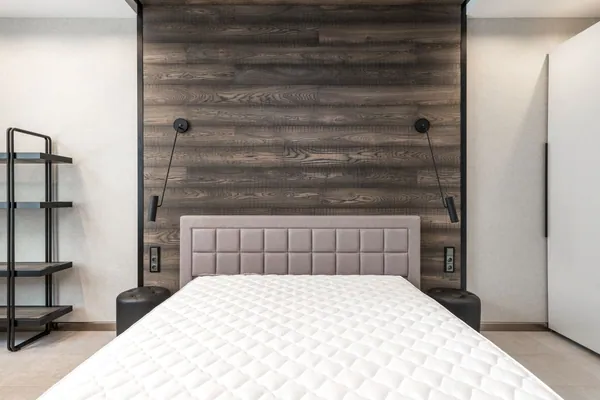
Stains are left damp for a few minutes before suction because dry fibres need time to accept moisture.
Cleaning from centre towards edges stops grit escaping the sides and drifting back into the middle.
Wet extraction takes care here because moisture sits in the lower layers longer than in coastal mattresses.

Fan drying instead of window air alone cuts drying time roughly in half on most jobs.
A quilted cotton cover, a knitted stretch cover and a synthetic surface do not take the same heat or solution.
Before any water.
A sweat stain is worked differently from a spilled drink or a child's accident.
We loosen what has bonded inside the fibres, by the method that suits the mattress, and lift the residue to the surface, worked across the top, the sides and the underside in turn.
The loosened dirt and water are pulled back out in the same pass.
We go over the mattress with you before the team leaves.
Testing the solution on a hidden edge is a step we treat as necessary, not optional.
We send a team, not a single worker.
The cleaning and wet-extraction machines come with the team.
If what you have is a bed-bug problem rather than a dirty mattress, we say so.
Photographs from real jobs carried out by the crew.












The commitment is simple enough to actually keep: we do not leave before you have seen the result and told us what you think of it.
East Jeddah lies furthest from the sea and closest to the open ground and hills beyond the ring roads, so the air is drier and the dust is coarser and paler than on the coast. It comes in under doors and settles on every flat surface overnight, making sofas, mattresses and curtains the heaviest part of the routine. Floors are mostly ceramic tile in the apartment districts and marble in the villa areas, both scratched by grit that is mopped rather than swept. Roof tank water leaves a grey film of sediment in baths and basins.
We provide these in Al Safhah too, and more than one can share a single visit.



