
We test before we clean
Testing the solution on a hidden edge is a step we treat as necessary, not optional.

Al Hamra sits on the Red Sea shore, and high humidity mixed with salt air settles into the mattress night after night. Salt does not leave with a cover change or ordinary vacuum. A deep clean suited to coastal conditions reaches the absorbed moisture and mineral buildup before they turn to smell and texture change.
Mattresses in Al Hamra absorb salt and moisture faster than inland districts, and mould spots appear earlier in dark corners and the underside folds. For the method itself, see what mattress cleaning involves.
Salt air leaves no visible mark in the first weeks, but gradually deposits into the mattress fabric and draws moisture deeper with it. Months later, hard yellow stains appear deep in the weave where ordinary vacuum cannot reach. Deep cleaning reaches this buildup before it changes comfort and affects the person who sleeps on it.
A home next to the sea absorbs moisture from the air even with air conditioning running. The bedroom mattress soaks up this humidity and becomes heavy and soft to the touch. Drying after cleaning requires precise calibration so moisture does not remain in the middle layer, unnoticed from above.
Mattresses in the coastal district bedrooms sit in corners where air is still. Mould and latent odours grow there before they become visible. Cleaning requires treatment of early mould growth and sanitising suited to the damp seaside environment so it does not quickly return.
The coastal location of Al Hamra means persistent humidity and salt-laden air year-round, even inside a closed home with air conditioning running.
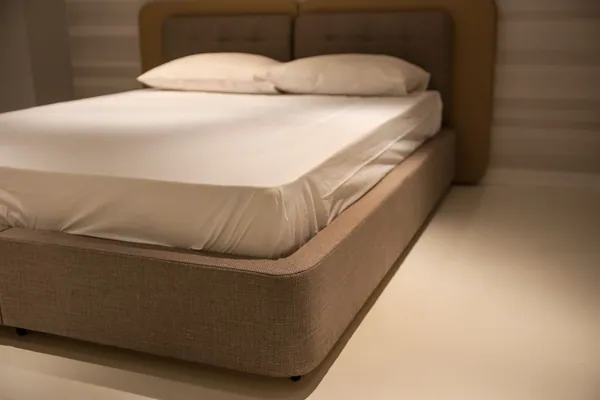
The mattress cover in Al Hamra may be cotton or synthetic blend needing careful inspection before we start, due to salt and moisture exposure.
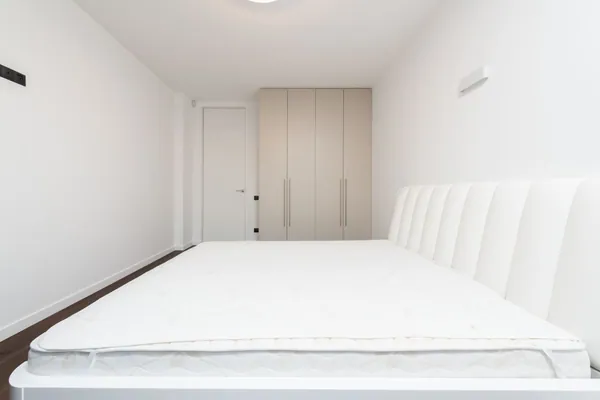
Deep dry vacuum removes pooled humidity and dissolved salt that does not show on the surface before we begin wet work.

Yellow stains from salt deposits and mould spots need treatment with products suited to the fabric and high humidity environment.
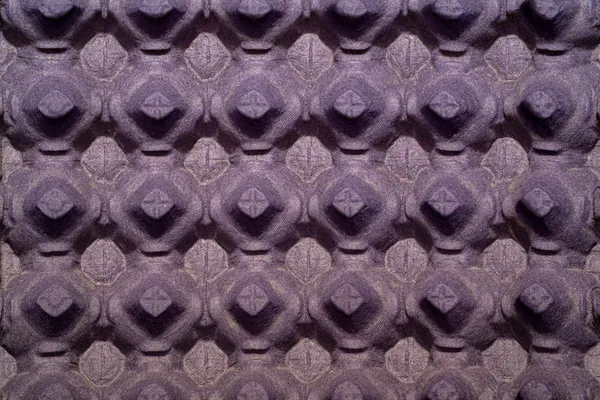
Face and side cleaning requires care at the seams and edges where humidity pools first and mineral deposits harden.

Wet extraction removes dirty water carrying salt before it dries and settles deeper into the layers.

Sanitising and airing in the coastal district needs precise calibration so damp does not remain trapped in the middle layer.
A quilted cotton cover, a knitted stretch cover and a synthetic surface do not take the same heat or solution.
Before any water.
A sweat stain is worked differently from a spilled drink or a child's accident.
We loosen what has bonded inside the fibres, by the method that suits the mattress, and lift the residue to the surface, worked across the top, the sides and the underside in turn.
The loosened dirt and water are pulled back out in the same pass.
We go over the mattress with you before the team leaves.
Testing the solution on a hidden edge is a step we treat as necessary, not optional.
We send a team, not a single worker.
The cleaning and wet-extraction machines come with the team.
If what you have is a bed-bug problem rather than a dirty mattress, we say so.
Photographs from real jobs carried out by the crew.












The commitment is simple enough to actually keep: we do not leave before you have seen the result and told us what you think of it.
Coastal area: high humidity and salt air through the year
High humidity and salt air mean the mattress needs different handling from the start: careful inspection for early mould, sanitising suited to damp conditions, and metered drying so moisture does not stay trapped deep inside.
We provide these in Al Hamra too, and more than one can share a single visit.



