
We test before we clean
Testing the solution on a hidden edge is a step we treat as necessary, not optional.

Al Baghdadiyah West sits close to the Arbaeen Lagoon and the Al Hamra Corniche, where high humidity and salt air work into the mattress fill, leaving musty smells and visible deterioration that vacuuming cannot address. Cleaning here requires handling the salt and moisture together, not as a standard job.
Mattresses here retain moisture far longer than those inland, and final moisture control after extraction is essential to prevent mildew returning within days. For the method itself, see how we approach mattress cleaning.
Salt air from the sea deposits into the mattress fabric, and high humidity makes the inner fill a breeding ground for mould and smell. Standard vacuum and dry methods leave the salt behind, which then reabsorbs moisture immediately, bringing the musty smell back.
Ordinary stains here cannot be separated from the humidity and mildew they sit in. Treatment must address all three at once, not just the visible mark, or the smell and soft spots return within a week.
Coastal humidity makes it difficult to dry the mattress completely, even after water extraction. The final moisture check is not optional here; without it, mildew smell and deterioration begin again the moment external humidity rises.
Older apartment buildings and blocks stand on low coastal ground near the lagoon. Humidity from the sea and the enclosed water body penetrates walls and furnishings year-round, and salt deposits settle in textiles.

Old mattresses in coastal areas often have weakened fabric due to salt and humidity damage, so we examine the cover carefully before deep cleaning begins.
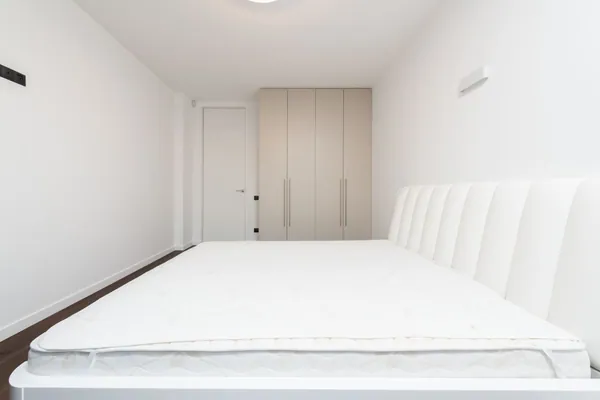
Deep dry vacuum here focuses on edges and corners where salt and moisture accumulate most, not just the central sleeping area.

Stains are treated with a mix that lifts salt and mildew together, not just the visible discolour, because the problem here is never a stain alone.
Deep cleaning and vacuum must reach every layer, because salt penetrates fill deeply in coastal zones and sits in the foam for years.

Wet extraction of the standing moisture is essential here, because baseline humidity is already present in the air itself.

Sanitising, thorough airing and final moisture control matter more than in any inland area, because external humidity begins rising again as soon as we leave.
A quilted cotton cover, a knitted stretch cover and a synthetic surface do not take the same heat or solution.
Before any water.
A sweat stain is worked differently from a spilled drink or a child's accident.
We loosen what has bonded inside the fibres, by the method that suits the mattress, and lift the residue to the surface, worked across the top, the sides and the underside in turn.
The loosened dirt and water are pulled back out in the same pass.
We go over the mattress with you before the team leaves.
Coastal area: high humidity and salt air through the year
Being coastal means salt and humidity have worked deep into the mattress fill already. Cleaning must extract the accumulated salt deposits, not just surface dust, and final moisture control is not optional, because returning humidity will trigger mildew and smell again quickly.
Testing the solution on a hidden edge is a step we treat as necessary, not optional.
We send a team, not a single worker.
The cleaning and wet-extraction machines come with the team.
If what you have is a bed-bug problem rather than a dirty mattress, we say so.
Photographs from real jobs carried out by the crew.












The commitment is simple enough to actually keep: we do not leave before you have seen the result and told us what you think of it.
Flats near the Arbaeen Lagoon and Al Hamra Corniche need special attention to coastal dampness. We reach this area via Madinah Road and the Port Bridge Road, and we ensure thorough drying before leaving, because external humidity will begin reabsorbing into the fill at once.
We provide these in Al Baghdadiyah West too, and more than one can share a single visit.



