
We test before we clean
Testing the material on a hidden spot is a step we treat as necessary, not optional.
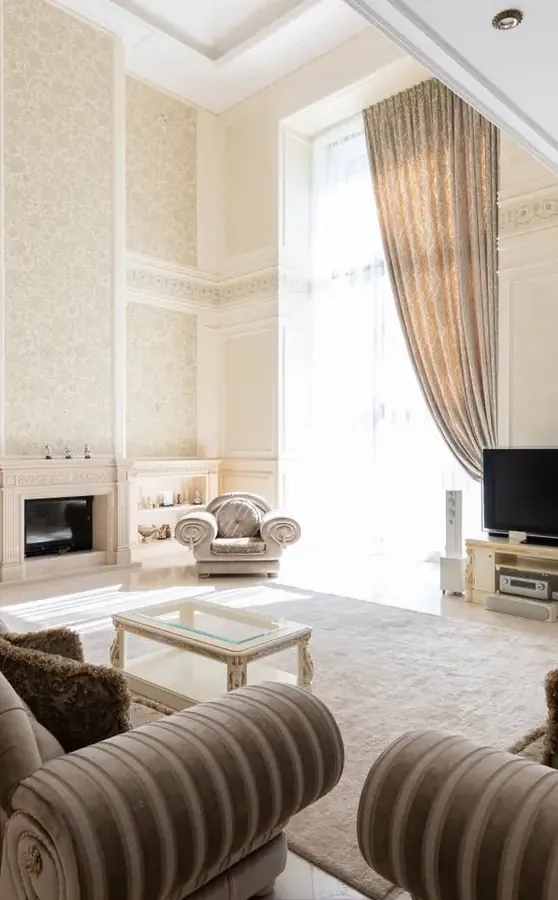
Wadi Qaws is a rural area with scattered homes and open ground near Jabal Khashash hills. Carpet here carries fine soil dust and valley moisture, plus flood residue, which differs from the oily city dust elsewhere in Jeddah. The dam built upstream shapes the ground and the air.
Carpet in homes here holds light fine soil dust that dries quickly, but after rain or flooding, moisture stays in the base longer than it does on higher ground. For the method itself, see what carpet and rug cleaning involves.
Open land around the homes raises very fine soil dust that differs from city soot. This dust enters homes easily and settles deep in carpet pile. Vacuum alone may not lift all of it, and washing after checking fibre type is essential. Fine particles may cling to the base longer than coarser grit does.
Proximity to the wadi means higher humidity, especially after rain or in certain seasons. Moisture trapped in the carpet base may leave musty or mildew smell if drying is incomplete. Fast, thorough drying after washing is critical here because damp fibres in humid air invite odour.
Homes here may sit lower than the surrounding terrain, which means water and moisture can reach inside easily. Carpet near the floor may already hold dampness before cleaning. Strong and rapid drying after washing is essential to prevent mildew and musty smell.
Location in the Wadi Qaws valley near the dam that protects eastern districts from flooding means soil and moisture from the wadi affect homes here more than higher areas of the city.
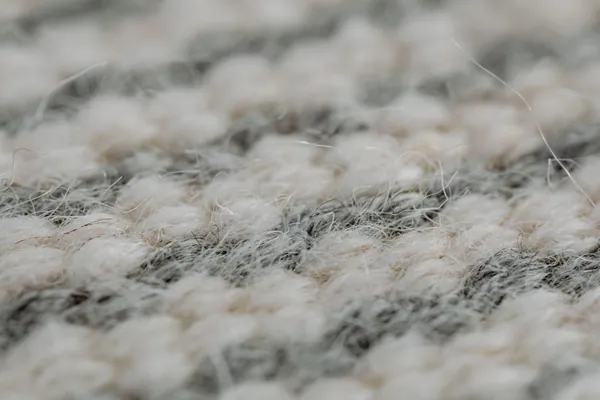
Natural carpet of wool and cotton in these rural homes is sorted first, as some pieces may be old or delicate and need careful handling during washing.
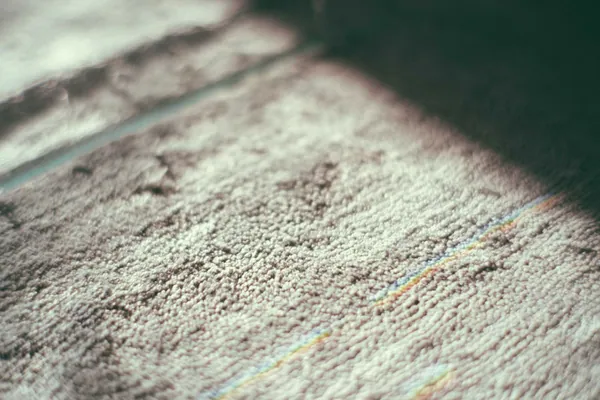
Deep dry vacuuming removes soil dust from the base before washing begins, which matters because fine particles from the valley and open ground settle quickly and cling.
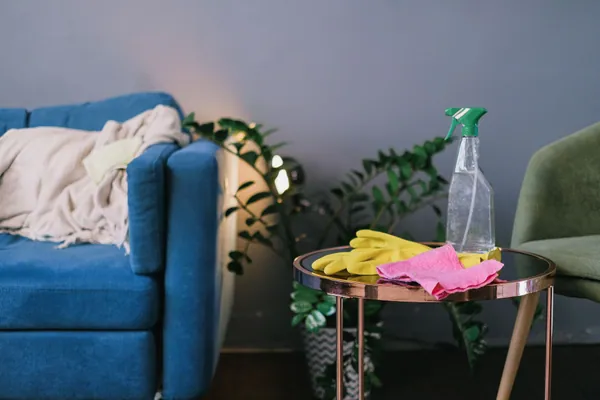
Stains from mud, soil and flood water are each treated by the method suited to that stain, and old stains from past flooding may need special care before general washing.
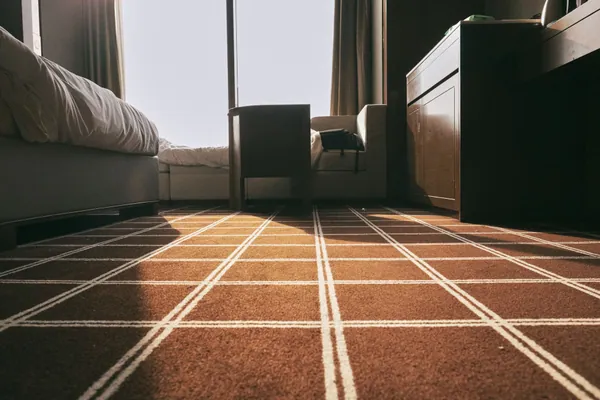
Natural wool carpet is washed with moderate water temperature, because very hot water can shrink natural fibres and may damage the pile.
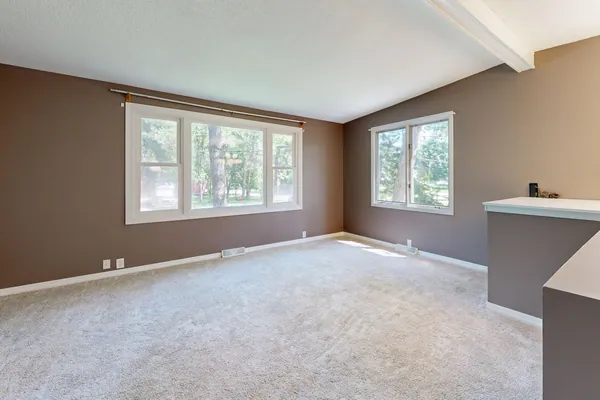
Fitted carpet in detached homes is cleaned in place, and we may add fan drying because humidity here is higher than elsewhere.
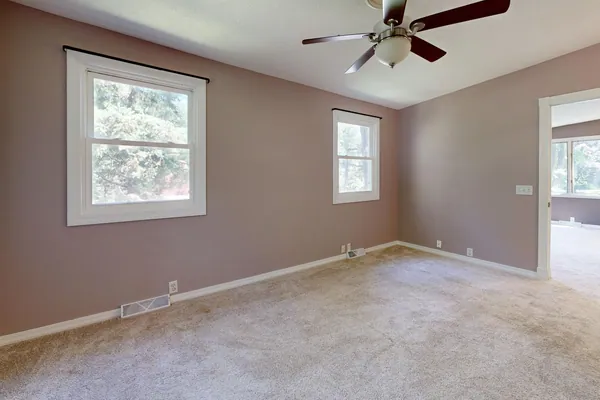
Wet extraction and rapid drying prevent mildew and musty smell, which can develop quickly in the humid valley air if drying is slow or incomplete.
Wool, synthetic and silk-blends do not take the same heat or the same material.
Before any water.
An oil stain is not treated like a juice stain.
Hot water loosens what is bound in the pile and the extractor pulls it straight back out with the water, together, so nothing is left sitting in the base.
The borders and fringe are done by hand, where machines skip and where wear shows first, so the whole rug looks even.
The carpet is left slightly damp, not wet.
Testing the material on a hidden spot is a step we treat as necessary, not optional.
The company runs a large workforce, and we send a team rather than one worker.
The deep vacuum and extraction machines are ours and arrive with the team.
If a rug needs repair or re-fringing rather than cleaning, we say so.
Photographs from real jobs carried out by the crew.












The commitment is simple enough to actually keep: we do not leave before you have seen the result and told us what you think.
Wadi Qaws Dam and Al Qaws Street mark the location of this rural service area. We reach scattered homes via local roads with our vacuum and wash equipment. Proximity to the dam means we understand the local moisture and soil patterns that affect carpet here.
We provide these in Wadi Qaws too, and more than one can share a single visit.



