
We test before we clean
Testing the material on a hidden spot is a step we treat as necessary, not optional.
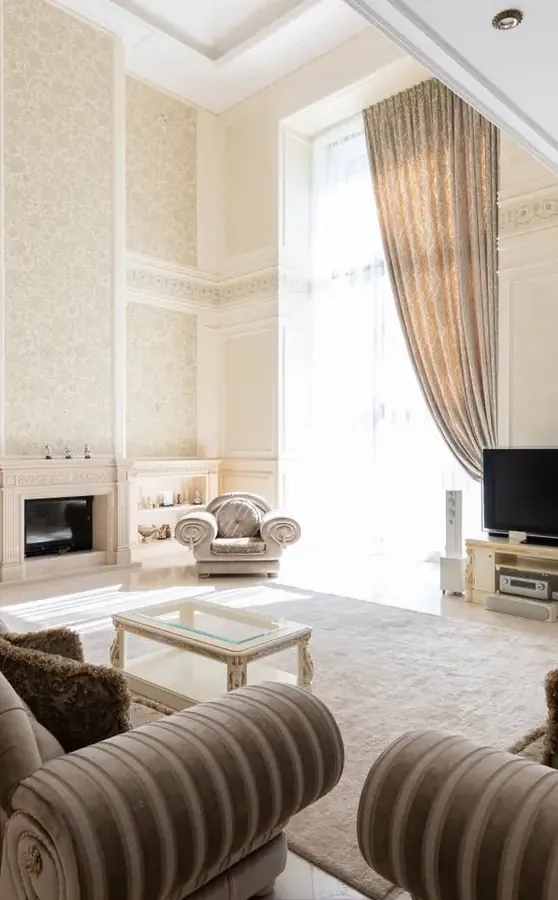
Wadi Mareekh, now Al Taysir district, is a new development with ongoing construction, villas and apartment blocks. Carpet in new homes here faces oily diesel soot from truck routes and coastal humidity together, which dulls colour and dulls texture faster than carpet in inner-city areas. The environment shapes the cleaning method.
Carpet in new villas here holds soot that clings differently from fine dust, and sea moisture makes this soot stick harder to the fibres than it would in dry areas. For the method itself, see how we approach carpet and rug cleaning.
Heavy roads and nearby industrial activity release oily soot that differs from clean dust. This soot sticks to fibres and does not lift by vacuuming alone. Washing with the right method for the fibre type is essential, and pre-treatment with a solvent may be needed before water touches the carpet.
High humidity from the coast makes soot cling tighter to fibres and harder to remove. Humidity also means drying takes longer after washing, and if drying is slow, musty or stale smell can develop. Treatment here differs from dry inland areas because the air does not release moisture the same way.
New villas typically have high-quality new carpet. But premium quality often means delicate fibres that need cautious washing method. We test before starting. We do not use water that is too hot or solution that is too strong, as either can damage new premium fibres.
The area runs along Palestine Street and King Abdullah Feeder Road, sandwiched between the port and industrial zones on one side and the sea on the other. The dust here is a mix of diesel soot and workshop grit that sticks differently than fine soil.
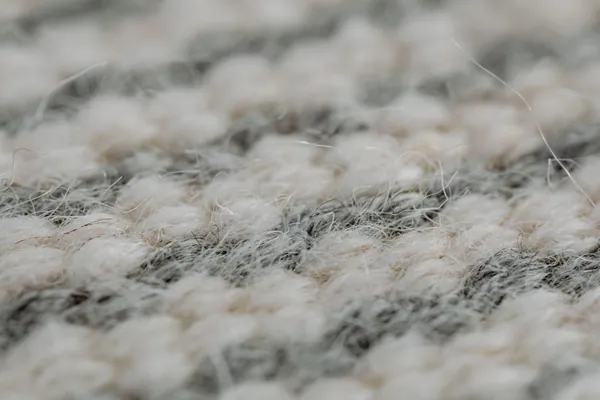
New carpet from both natural and synthetic fibres in new villas is sorted first, because each type requires a different washing method.
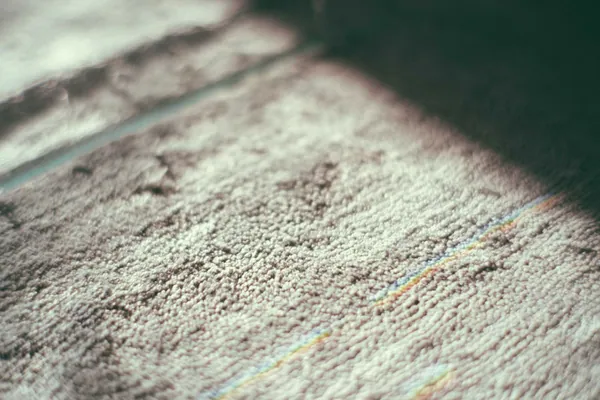
Deep dry vacuuming removes oily soot and grit from the pile base before washing begins, which matters because moisture can lock soot deeper into the fibres.
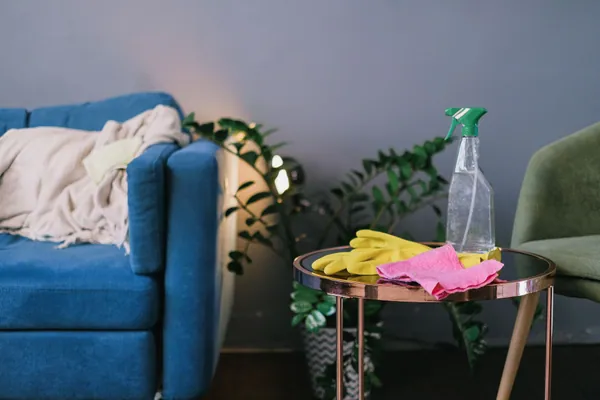
Soot, grease and salt stains are each treated with their own solution before general washing, because salt from the sea needs different handling than oil does.
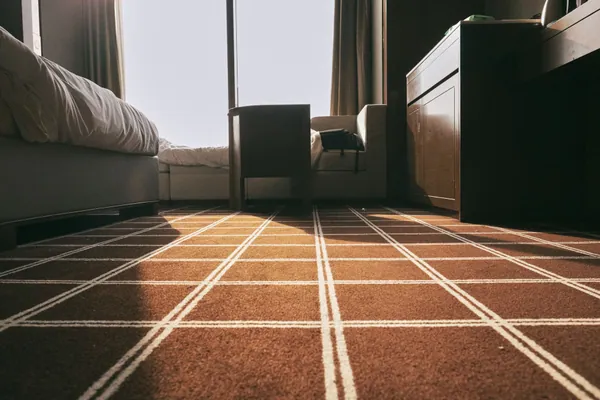
New carpet is washed in moderate water temperature, not very hot, because new delicate fibres can be sensitive and very hot water may affect dyes.
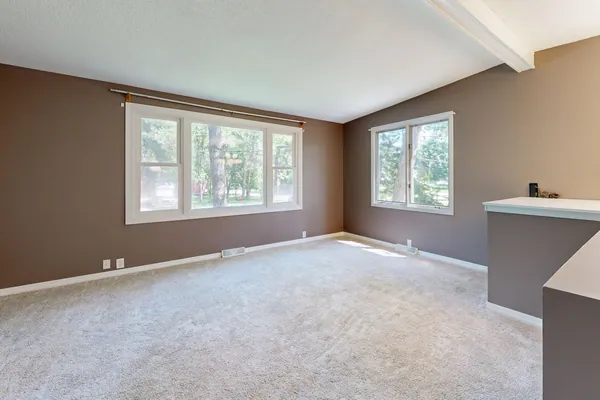
Fitted carpet in new villas is cleaned in place, and we may add extra fan drying because coastal humidity slows natural drying.
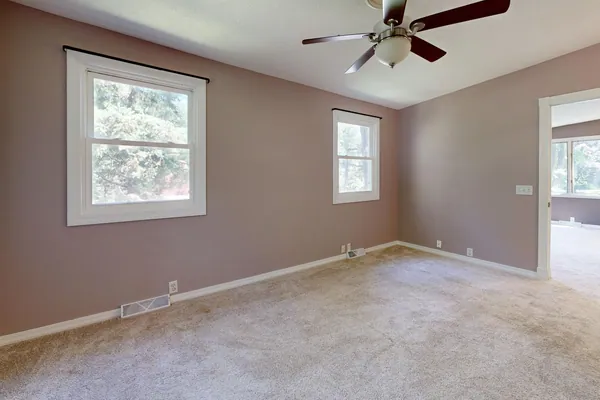
Wet extraction and rapid strong drying prevent mildew and musty odours that can quickly develop in high humidity if drying is slow or incomplete.
Wool, synthetic and silk-blends do not take the same heat or the same material.
Before any water.
An oil stain is not treated like a juice stain.
Hot water loosens what is bound in the pile and the extractor pulls it straight back out with the water, together, so nothing is left sitting in the base.
The borders and fringe are done by hand, where machines skip and where wear shows first, so the whole rug looks even.
The carpet is left slightly damp, not wet.
New development: ongoing construction and vacant plots between the homes
New development means carpet is usually new and premium quality but exposed to strong environmental forces: soot and humidity combined. Treatment focuses on testing the fibre first, using cautious water temperature and method suited to the type, and rapid drying to prevent humidity-related damage.
Testing the material on a hidden spot is a step we treat as necessary, not optional.
The company runs a large workforce, and we send a team rather than one worker.
The deep vacuum and extraction machines are ours and arrive with the team.
If a rug needs repair or re-fringing rather than cleaning, we say so.
Photographs from real jobs carried out by the crew.












The commitment is simple enough to actually keep: we do not leave before you have seen the result and told us what you think.
South Jeddah runs from the port and the industrial city down towards Al Khumrah, and homes here sit between the sea and the heavy goods roads. The dust is darker and oilier than in the north, a mix of diesel soot and workshop grit, and it clings to net curtains, window sills and the tops of kitchen cupboards. Floors in the older low rise housing are often plain cement or ceramic tile that darkens where soot is walked in. Humidity from the coast adds mildew in bathrooms and a musty smell in stored fabrics.
We provide these in Wadi Mareekh too, and more than one can share a single visit.



