
We test before we clean
Testing the material on a hidden spot is a step we treat as necessary, not optional.
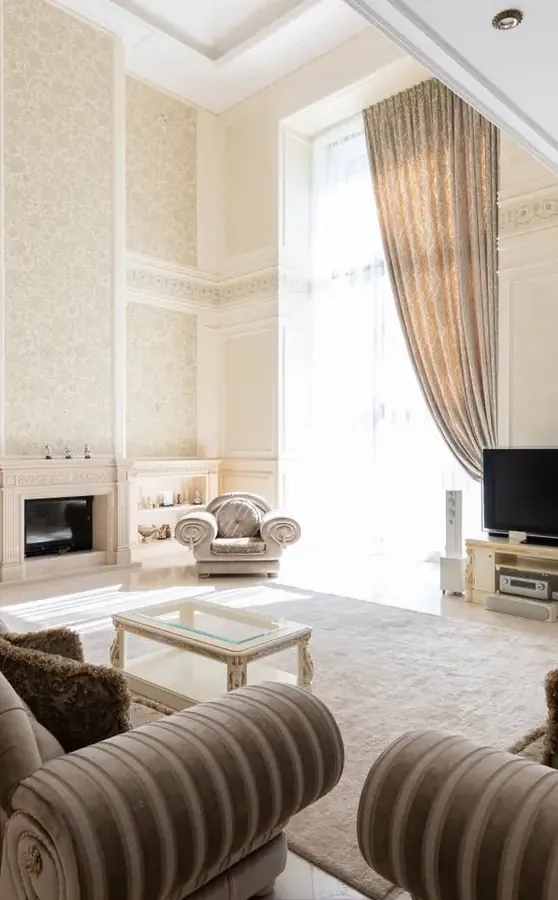
Kilo 14 is a mixed district at far southeast Jeddah combining car repair workshops and spare parts shops in a newer industrial complex with dense informal housing for migrant workers. Carpet here carries heavy workshop dust, oil and grease from tools, and musty smells from the popular market cling to curtains. Coastal moisture combines with industrial soil.
Dust here is a complex mixture of workshop sand, machine grease and market salt, leaving a thick layer on carpet and curtains with a compound smell of oil, fish and vegetables. For the method itself, see what carpet and rug cleaning involves.
Car repair shops and industrial merchants release metal dust, grease and engine oils that settle in carpet and are hard to remove from deep in the pile.
The popular market nearby releases fish, vegetable and salt smells that cling to carpet and curtains and blend with oil and grease odours.
Densely packed informal housing with weak sanitation means high humidity and trapped odours entering homes, and carpet holds all these smells together.
An area along Old Makkah Road at the far southeastern edge of Jeddah, combining a newer industrial complex of workshops and warehouses with a dense informally built residential quarter on unplanned streets, and a popular market selling vegetables and fish.
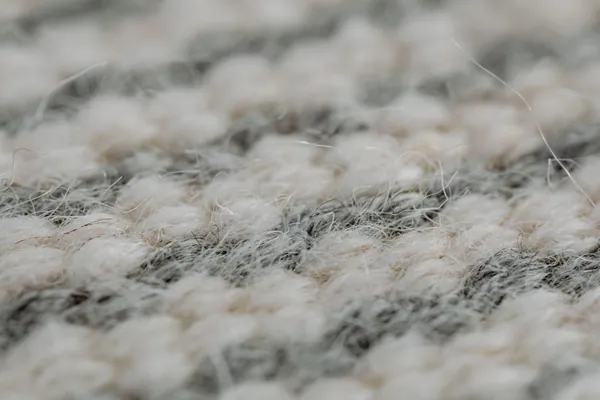
Carpet here is often simple and hard wearing because it carries heavy soil, so we sort each piece and assess its durability before washing.
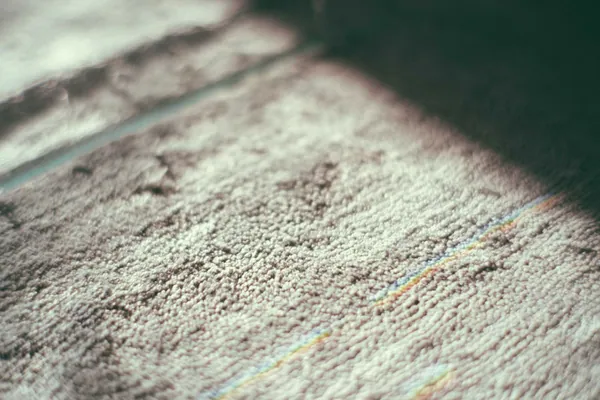
Deep vacuuming must focus on removing grease, metal particles and salt before water extraction.
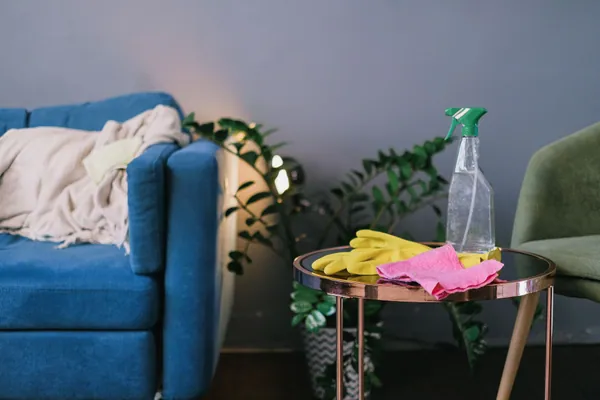
Oily and greasy stains need specialist treatment with strong degreasers before deep washing.
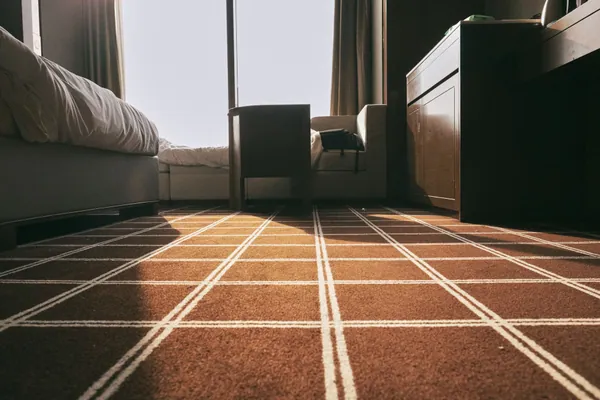
Washing may need higher temperatures and strong products to remove heavy industrial soil.
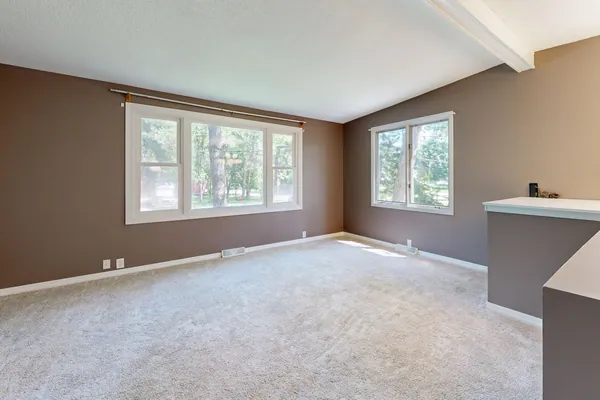
Fitted carpet is washed deeply with caution because soil underneath may be heavier.
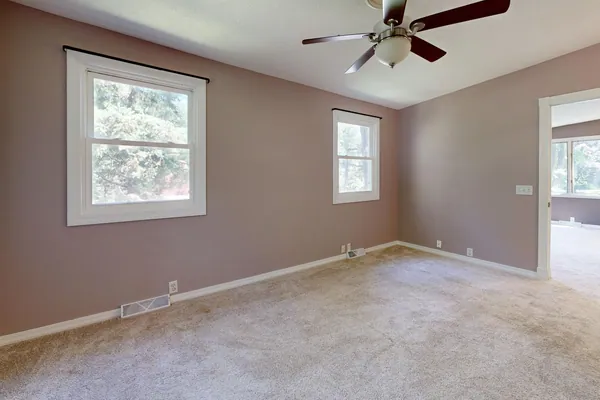
Fast thorough drying is critical; we use strong equipment and sanitiser to prevent odours returning.
Wool, synthetic and silk-blends do not take the same heat or the same material.
Before any water.
An oil stain is not treated like a juice stain.
Hot water loosens what is bound in the pile and the extractor pulls it straight back out with the water, together, so nothing is left sitting in the base.
The borders and fringe are done by hand, where machines skip and where wear shows first, so the whole rug looks even.
The carpet is left slightly damp, not wet.
Industrial area: workshops, warehouses and loading yards
Mixed industrial and residential space means heavy varied soil, continuous fats and compound odours, so carpet here needs frequent washing, fast drying and specialist treatment.
Testing the material on a hidden spot is a step we treat as necessary, not optional.
The company runs a large workforce, and we send a team rather than one worker.
The deep vacuum and extraction machines are ours and arrive with the team.
If a rug needs repair or re-fringing rather than cleaning, we say so.
Photographs from real jobs carried out by the crew.












The commitment is simple enough to actually keep: we do not leave before you have seen the result and told us what you think.
South Jeddah runs from the port and the industrial city down towards Al Khumrah, and homes here sit between the sea and the heavy goods roads. The dust is darker and oilier than in the north, a mix of diesel soot and workshop grit, and it clings to net curtains, window sills and the tops of kitchen cupboards. Floors in the older low rise housing are often plain cement or ceramic tile that darkens where soot is walked in. Humidity from the coast adds mildew in bathrooms and a musty smell in stored fabrics.
We provide these in Kilo 14 too, and more than one can share a single visit.



