
We test before we clean
Testing the material on a hidden spot is a step we treat as necessary, not optional.
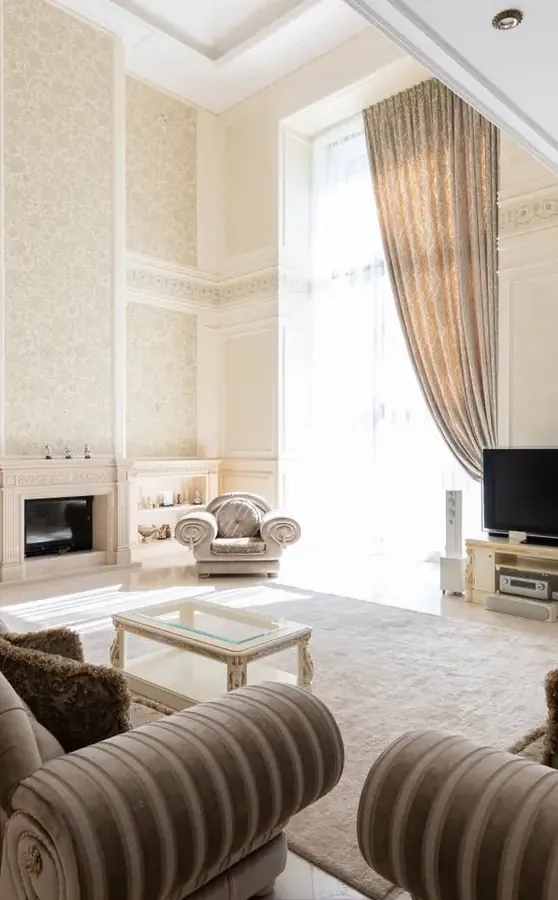
Al Thaghr is a mixed district where apartment buildings and retail shops sit together with educational and medical institutions, bringing varied foot traffic into homes. Carpets here absorb dust from hospital visitors, school staff and customers passing through ground-floor shops. Rugs in these settings accumulate differently and need cleaning matched to their higher, more varied use.
Carpets overlooking the retail units below collect a thin layer of commercial dust and gentle oils from the constant daily activity beneath, visible on south-facing window sills after a week. For the method itself, see how we approach carpet and rug cleaning.
The hospital and schools draw large numbers of people daily, and carpets in nearby buildings bear the weight of patients, students and staff constantly. Soil accumulates visibly faster than in purely residential areas, and fitted carpet in entry halls and walkways becomes compacted and stained more quickly than household rugs elsewhere.
Shops on the ground floor emit gentle cooking vapours and light grease that cling to net curtains and carpet in flats directly above. These thin oily layers settle into the pile where daily vacuuming never reaches, making deep extraction essential to lift them and restore the carpet's colour and texture.
Walkways and entry halls face continuous footfall from multiple buildings and outside traffic, and soil penetrates the pile more deeply than in single-family carpet. Cleaning fitted carpet in place preserves its grip on the floor while ensuring water reaches every fibre without movement or slippage.
The district sits at the junction of four main roads with Prince Majid Road cutting through it, creating continuous vehicle movement that stirs up dust and grit blown into ground-level carpet and hallway rugs.
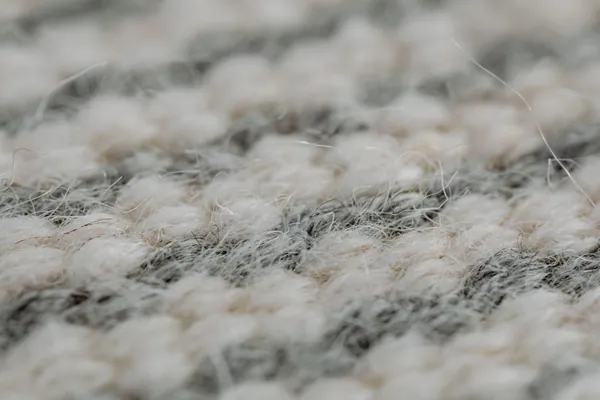
Carpet in mixed buildings ranges from wool to blends and cotton, while fitted hallway rugs are usually traffic-resistant synthetic blends designed for heavy use.
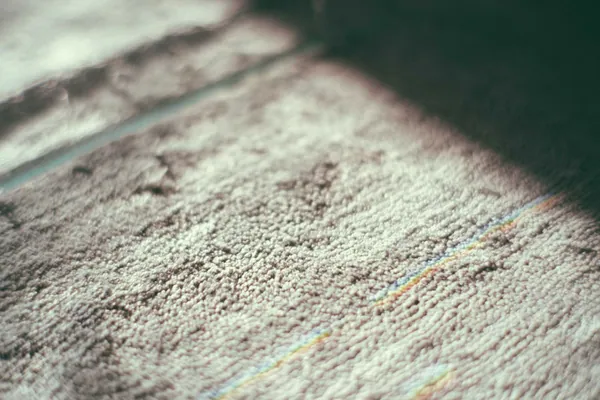
Commercial dust and light oils require heavy dry vacuuming first, and fitted entry carpet needs double-pass vacuuming before water extraction begins to avoid driving soil deeper.
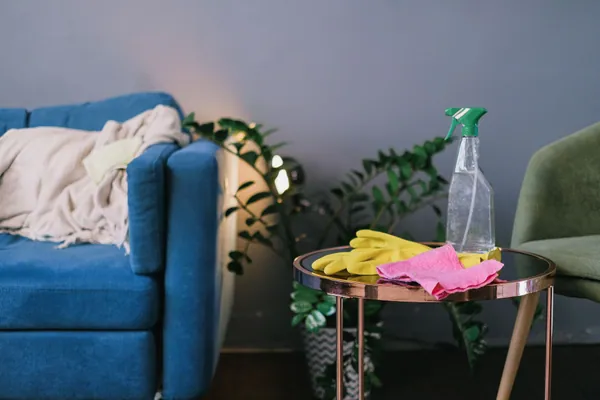
Light shop grease needs separate treatment with a mild solvent ahead of water cleaning, and street-level stains lift differently depending on their source and age.
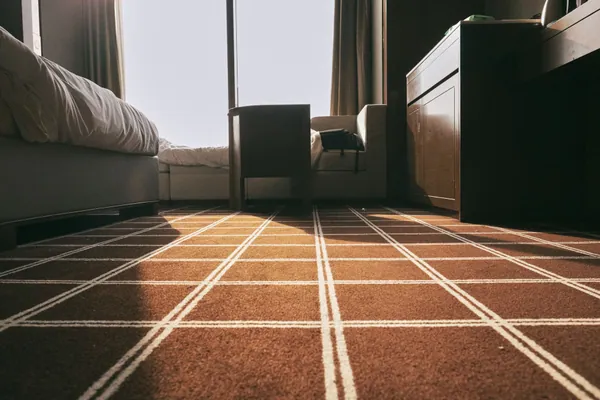
Wool carpet in flats tolerates warm water better than hot, while synthetic blends accept higher temperatures for deeper cleaning of soils trapped in the base.
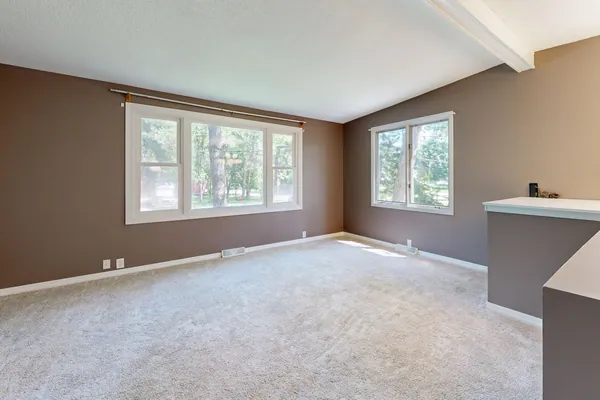
Fitted carpet in shared walkways is cleaned in place with short hose sections, while domestic carpet width is moved to a flat area for uniform washing and rinsing.
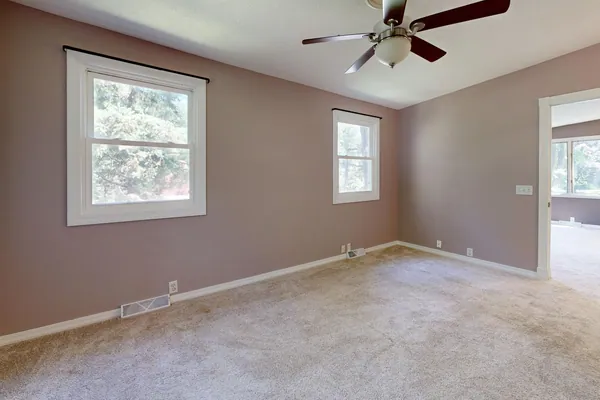
Drying in apartment buildings requires opening hallway doors and running strong fans throughout, and carpet must dry completely before foot traffic resumes to prevent mildew and odour.
Wool, synthetic and silk-blends do not take the same heat or the same material.
Before any water.
An oil stain is not treated like a juice stain.
Hot water loosens what is bound in the pile and the extractor pulls it straight back out with the water, together, so nothing is left sitting in the base.
The borders and fringe are done by hand, where machines skip and where wear shows first, so the whole rug looks even.
The carpet is left slightly damp, not wet.
Al Thaghr is bounded by Old Makkah Road to the south and Prince Majid Road running through its centre, these two routes marking where buildings and institutions are sited and accessed for cleaning appointments and carpet collection.
Testing the material on a hidden spot is a step we treat as necessary, not optional.
The company runs a large workforce, and we send a team rather than one worker.
The deep vacuum and extraction machines are ours and arrive with the team.
If a rug needs repair or re-fringing rather than cleaning, we say so.
Photographs from real jobs carried out by the crew.












The commitment is simple enough to actually keep: we do not leave before you have seen the result and told us what you think.
South Jeddah runs from the port and the industrial city down towards Al Khumrah, and homes here sit between the sea and the heavy goods roads. The dust is darker and oilier than in the north, a mix of diesel soot and workshop grit, and it clings to net curtains, window sills and the tops of kitchen cupboards. Floors in the older low rise housing are often plain cement or ceramic tile that darkens where soot is walked in. Humidity from the coast adds mildew in bathrooms and a musty smell in stored fabrics.
We provide these in Al Thaghr too, and more than one can share a single visit.



