
We test before we clean
Testing the material on a hidden spot is a step we treat as necessary, not optional.
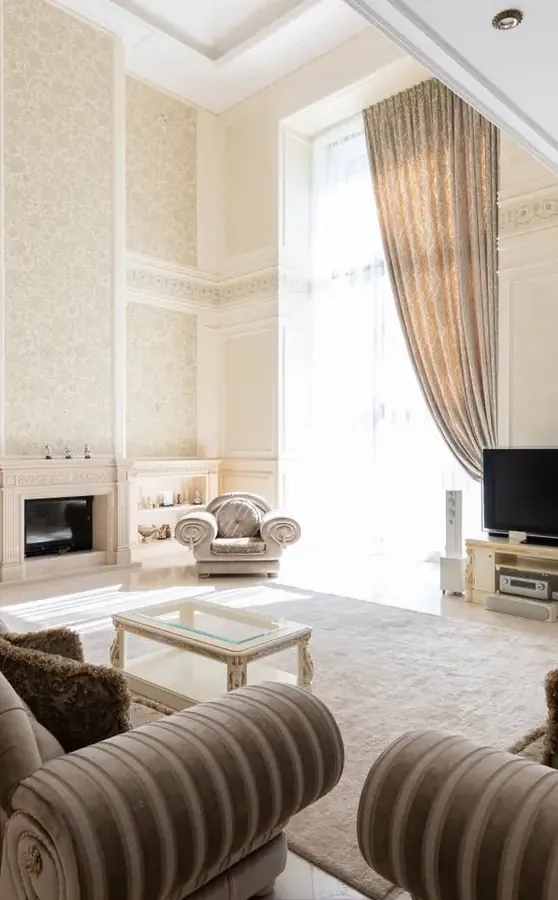
Kilo 18 is an industrial area on Old Makkah Road where hundreds of workers operate machinery and workshops daily, and workshop dust and exhaust settle into carpet far more quickly than in residential districts. Carpet here needs frequent deep vacuuming that reaches far below the pile surface, and extraction that works harder than routine domestic cleaning.
Carpet in offices and workshops throughout Kilo 18 accumulates industrial dust visibly faster than carpet in residential Jeddah neighbourhoods kilometres away from active yards and machinery. For the method itself, see our guide to carpet and rug cleaning.
Metal dust, wood particles, cement powder and exhaust residue do not merely settle on the surface; they drive down through the pile and bind to the fibres at the base. Routine household vacuuming never reaches them. Deep specialised extraction combined with powerful dry vacuuming before any water touches the carpet is essential to remove this exceptionally fine, sticky dust.
Carpet in warehouse offices, tool stores and workshops is exposed to oil splashes, chemical residue, hydraulic fluid and grease from machinery and forklifts. Each stain of this type requires its own solvent and method; a single wash recipe does not serve them all. Testing the stain first determines which approach is safe for the fibre and dye.
Most structures in Kilo 18 are older industrial buildings with aged concrete bases that may have fine cracks. Moisture rises from the ground, and wet extraction must avoid forcing extra water beneath the carpet into these small spaces. Final drying demands special attention that differs from what works in other areas where flooring is newer or elevated differently.
The industrial zone is surrounded by warehouses, open storage yards and loading facilities, and fine dust and sand enter buildings continuously with workers during every working hour.
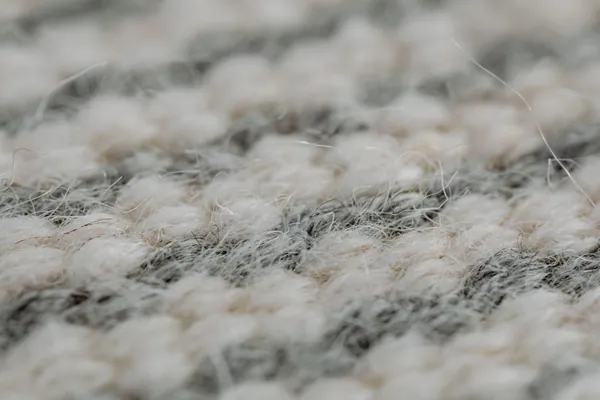
Workshop carpet in Kilo 18 is predominantly hard-wearing synthetic fibre such as nylon, often in blends, and very rarely natural wool suited to quieter commercial or office use.
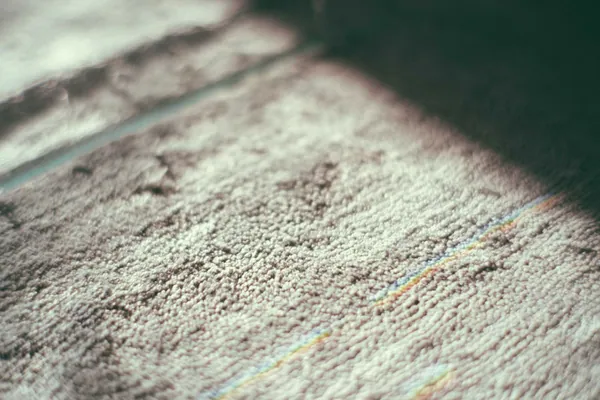
Deep dry vacuuming first is especially critical here because industrial dust penetrates to the base, and powerful vacuum action before any water or solution touches the pile is the only way to lift it out.
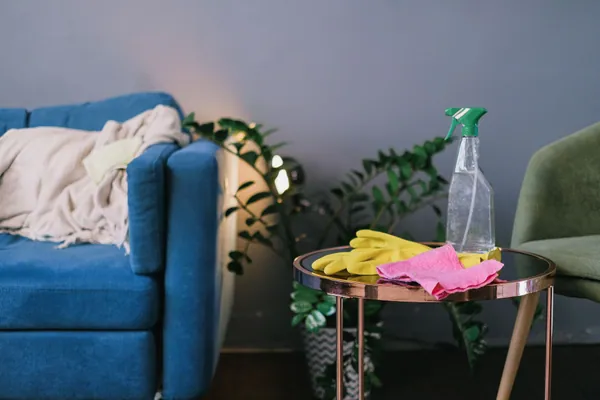
Oil stains, grease marks and chemical spills from yard work each require individual testing, then their own treatment product; applying one extraction recipe to every stain fails because the chemistry is different for each type.
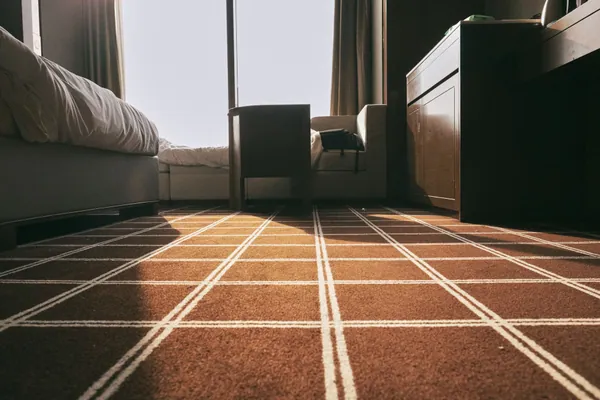
The wash pass in workshops uses hot water and commercial-strength cleaner suited to robust synthetic fibres, but the formula and temperature must still match the carpet type to prevent fibre damage.
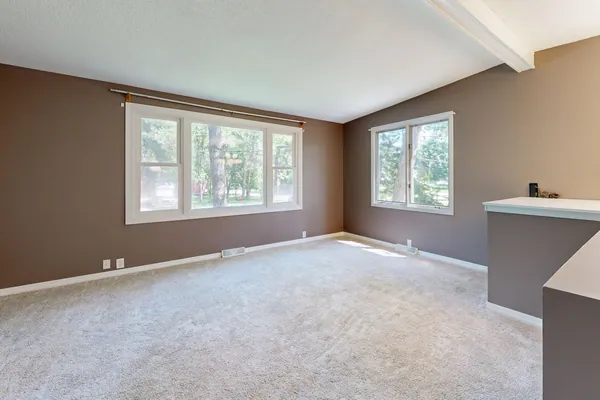
Fitted carpet over aged concrete is cleaned in place with attention to drying both the pile and the space directly beneath; a small edge may be lifted to dry the concrete base if moisture would otherwise linger.
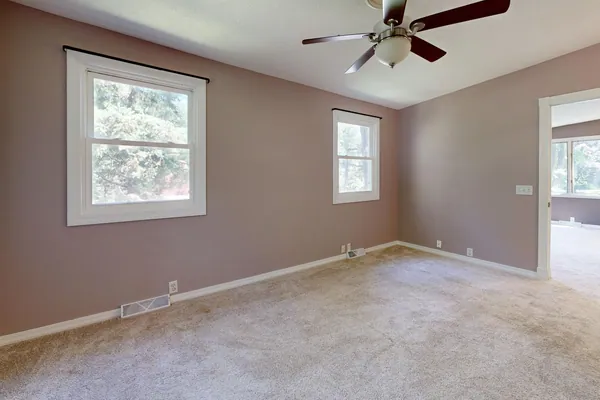
Wet extraction and moisture control are critical here; air circulation and heating help the carpet dry fast, especially important where concrete floors can trap moisture and create conditions for mould beneath the pile.
Wool, synthetic and silk-blends do not take the same heat or the same material.
Before any water.
An oil stain is not treated like a juice stain.
Hot water loosens what is bound in the pile and the extractor pulls it straight back out with the water, together, so nothing is left sitting in the base.
The borders and fringe are done by hand, where machines skip and where wear shows first, so the whole rug looks even.
The carpet is left slightly damp, not wet.
Testing the material on a hidden spot is a step we treat as necessary, not optional.
The company runs a large workforce, and we send a team rather than one worker.
The deep vacuum and extraction machines are ours and arrive with the team.
If a rug needs repair or re-fringing rather than cleaning, we say so.
Photographs from real jobs carried out by the crew.












The commitment is simple enough to actually keep: we do not leave before you have seen the result and told us what you think.
Industrial area: workshops, warehouses and loading yards
An industrial area means the carpet faces heavy dust, oil spills and chemical soiling continuously, requiring professional cleaning every two to three months rather than every few months as in residential homes, plus stronger extraction and specialised stain treatments.
We provide these in Kilo 18 too, and more than one can share a single visit.



