
We test before we clean
Testing the material on a hidden spot is a step we treat as necessary, not optional.
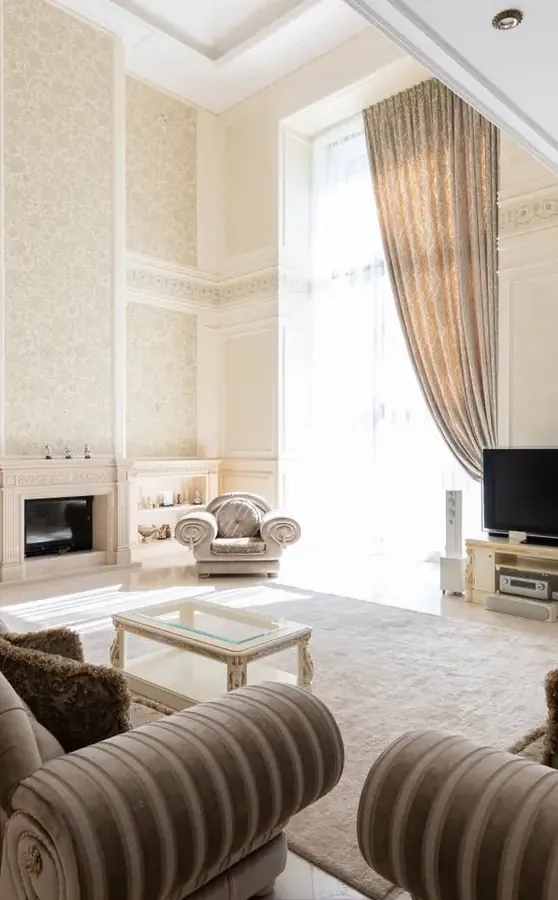
Briman is an old popular district directly south of King Abdulaziz Airport with the Haramain Railway nearby, and scattered industrial activity leaves heavy dust and light oils on everything. Carpet here carries heavier soils than other districts, a mix of workshop grit and black diesel dust that settles into the pile.
Homes near the airport and workshops take in heavy dust and light oils daily, especially in summer when windows open to the outside air. For the method itself, see what carpet and rug cleaning involves.
King Abdulaziz Airport and industrial operations around Briman produce heavy dust made of metal and iron particles. This grit cuts through surface fibres and settles deeper in the pile than ordinary household dust, and requires stronger extraction methods.
Briman sits close to Jeddah Bay, and the high moisture means carpet dries slowly after washing, especially in lower flats and dark hallways, which needs extra drying care and longer times between washing and use.
Shops and repair work below the flats release oils and greases, these heavy oily stains need testing before full washing and may not lift completely from the pile if they have set for months.
An older district below the airport road, with scattered industrial activity and uneven urban planning, where heavy vehicle and equipment movement happens daily.
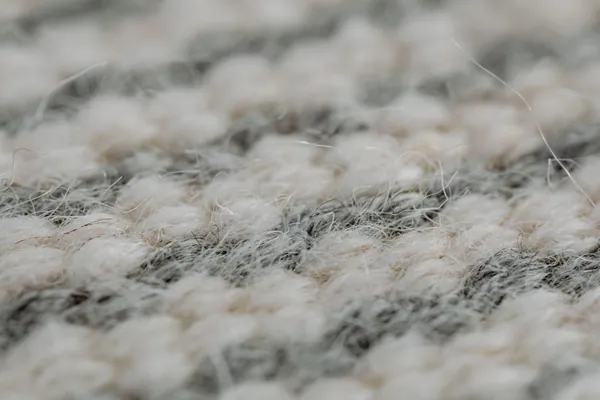
Sorting by fibre type is essential here as heavy soils could damage delicate types like silk and fine wool if rough extraction methods are used.
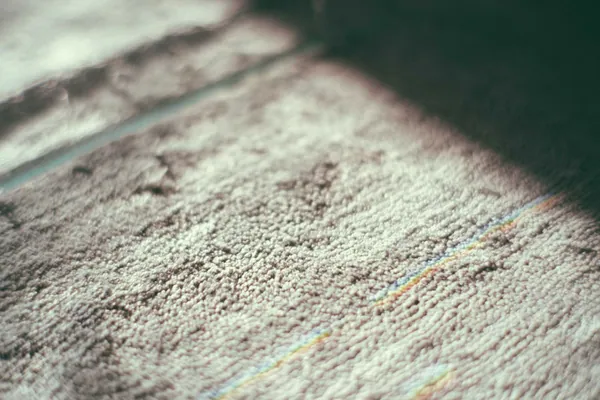
Deep dry vacuuming takes longer here because heavy dust needs multiple vacuum passes before wet cleaning can begin.
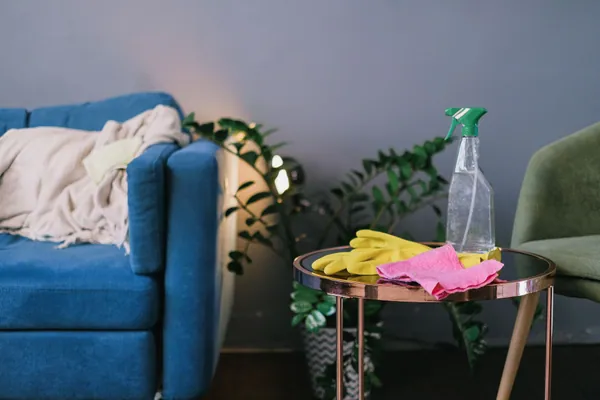
Oily stains from oils and greases need special pre-treatment before full washing, and we may test them on a small corner first.
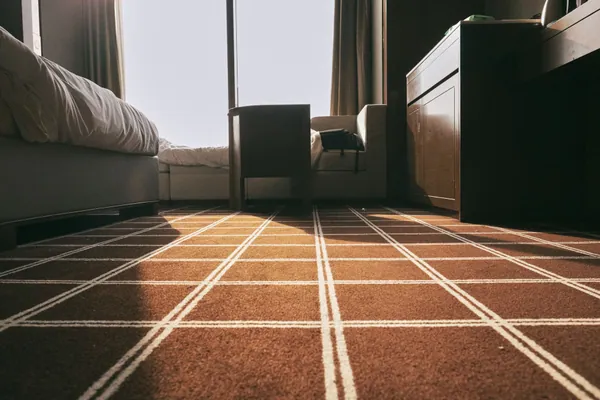
The washing method is stronger here for heavy soils, but heat and pressure are matched to the fibre type so the carpet is not damaged.
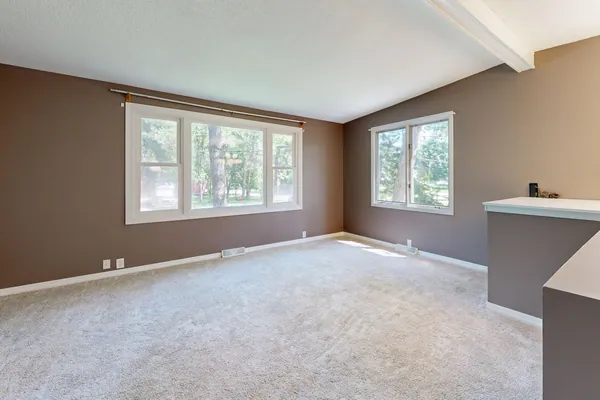
Fitted carpet in hallways needs intensive vacuuming before washing because of accumulated heavy dust, and drying takes much longer.
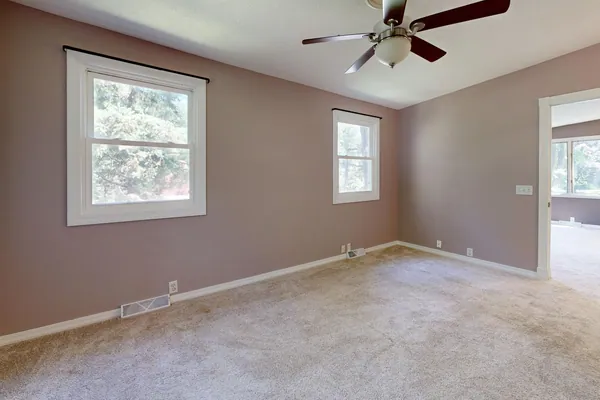
Wet extraction and drying here needs extra drying equipment, and air flow is kept open longer than usual to remove excess moisture.
Wool, synthetic and silk-blends do not take the same heat or the same material.
Before any water.
An oil stain is not treated like a juice stain.
Hot water loosens what is bound in the pile and the extractor pulls it straight back out with the water, together, so nothing is left sitting in the base.
The borders and fringe are done by hand, where machines skip and where wear shows first, so the whole rug looks even.
The carpet is left slightly damp, not wet.
Testing the material on a hidden spot is a step we treat as necessary, not optional.
The company runs a large workforce, and we send a team rather than one worker.
The deep vacuum and extraction machines are ours and arrive with the team.
If a rug needs repair or re-fringing rather than cleaning, we say so.
Photographs from real jobs carried out by the crew.












The commitment is simple enough to actually keep: we do not leave before you have seen the result and told us what you think.
Mixed district: shops at street level with homes above them
Mixed housing here differs from other mixed districts because scattered industrial uses leave heavier and oilier soils, so carpet needs stronger washing and longer treatment than purely residential mixed areas.
We provide these in Briman too, and more than one can share a single visit.



