
We test before we clean
Testing the material on a hidden spot is a step we treat as necessary, not optional.
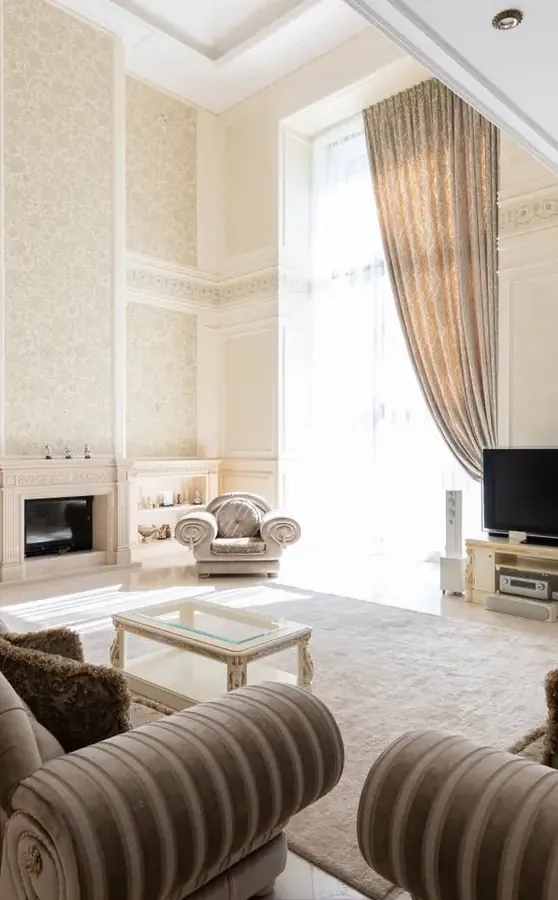
Al Manar is a planned residential grid in east Jeddah stretching from Hada Al Sham Road in the north down to Al Samir in the south, east of the expressway, with villas and modestly priced apartments balanced alongside local shopping centres. Carpet here collects fine dry dust from open ground surrounding the district, and the mix of modern villas, budget-priced flats and local shops means different carpet types on the same street may need completely different washing approaches.
The dry air in east Jeddah means fine dust settles quickly and does not linger in the air, and drying after washing is notably faster than in other districts. For the method itself, see the full carpet and rug cleaning page.
Open land around the neighbourhood raises fine dry dust that enters homes easily under doors. This dust settles deep into pile and weights carpet, and dry air means the dust stays suspended longer and may re-enter after cleaning if ventilation is not managed carefully.
New villas hold modern synthetic carpet that tolerates hot water; budget apartments hold cheap carpet that may be weak fibres. Each needs different water temperature, and using one method on both damages one or under-treats the other.
East Jeddah is drier with lower humidity than the city centre and coast, so drying after extraction is noticeably faster. But dry air means dust stays airborne longer and enters easily from windows if they are left open during drying.
Al Manar stretches from Hada Al Sham Road to the north and Al Samir to the south, east of the Haramain Expressway, with villas, budget apartment buildings and local commercial centres distributed throughout.
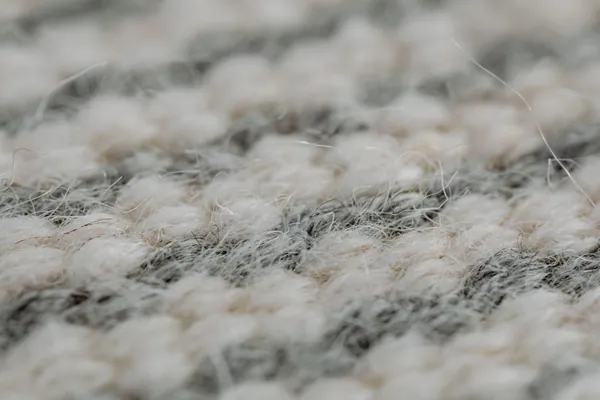
Carpet in Al Manar carries fine dry dust from open ground, and dry vacuuming needs gentler handling to avoid scattering fine particles.
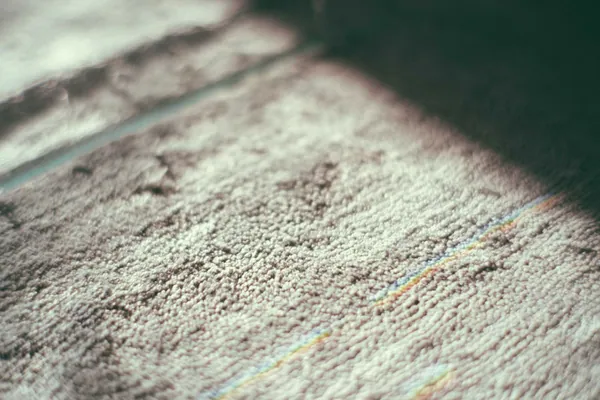
Deep dry vacuuming is essential to lift fine dust that settles quickly into the pile, and more passes may be needed than in other districts.
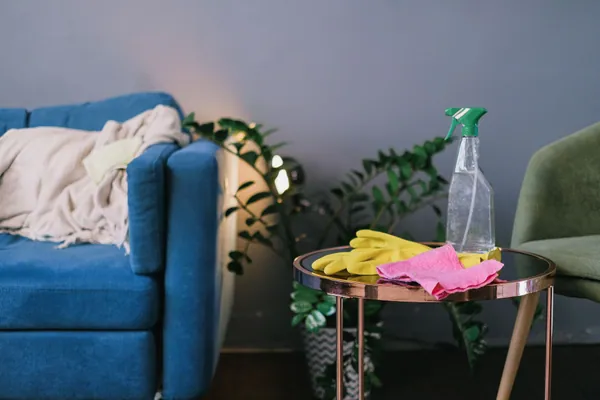
Fine dust stains, light dampness marks and light soiling each need different chemistry, and sequence matters greatly.
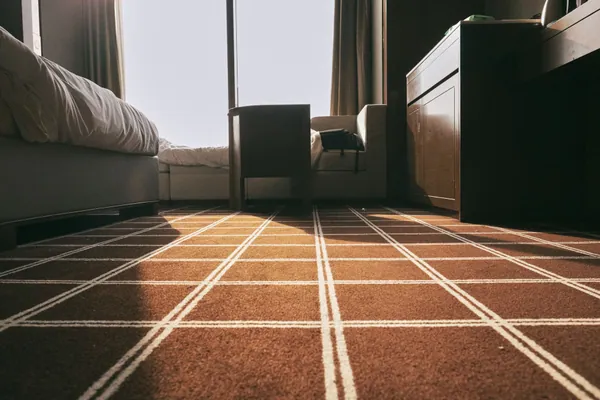
Modern synthetics need hotter water and cheap carpet needs cooler water, so temperature is selected based on fibre type.
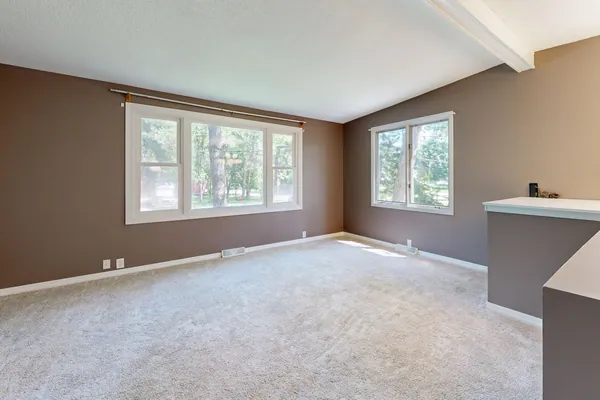
Fitted carpet in shared hallways is cleaned in place, and drying is faster because of dry air.
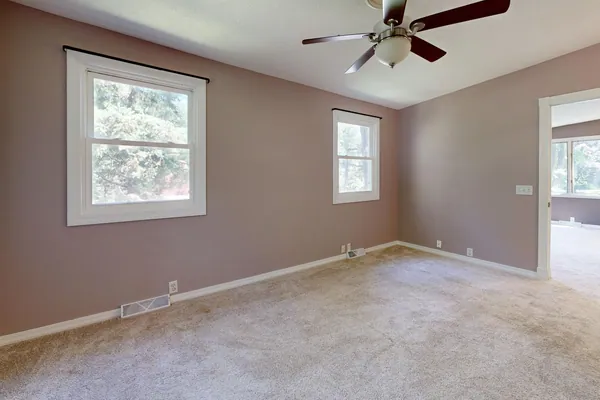
Wet extraction and continuous free air circulation in the naturally dry air is sufficient here without additional heat.
Wool, synthetic and silk-blends do not take the same heat or the same material.
Before any water.
An oil stain is not treated like a juice stain.
Hot water loosens what is bound in the pile and the extractor pulls it straight back out with the water, together, so nothing is left sitting in the base.
The borders and fringe are done by hand, where machines skip and where wear shows first, so the whole rug looks even.
The carpet is left slightly damp, not wet.
Testing the material on a hidden spot is a step we treat as necessary, not optional.
The company runs a large workforce, and we send a team rather than one worker.
The deep vacuum and extraction machines are ours and arrive with the team.
If a rug needs repair or re-fringing rather than cleaning, we say so.
Photographs from real jobs carried out by the crew.












The commitment is simple enough to actually keep: we do not leave before you have seen the result and told us what you think.
East Jeddah lies furthest from the sea and closest to the open ground and hills beyond the ring roads, so the air is drier and the dust is coarser and paler than on the coast. It comes in under doors and settles on every flat surface overnight, making sofas, mattresses and curtains the heaviest part of the routine. Floors are mostly ceramic tile in the apartment districts and marble in the villa areas, both scratched by grit that is mopped rather than swept. Roof tank water leaves a grey film of sediment in baths and basins.
We provide these in Al Manar too, and more than one can share a single visit.



