
We test before we clean
Testing the material on a hidden spot is a step we treat as necessary, not optional.
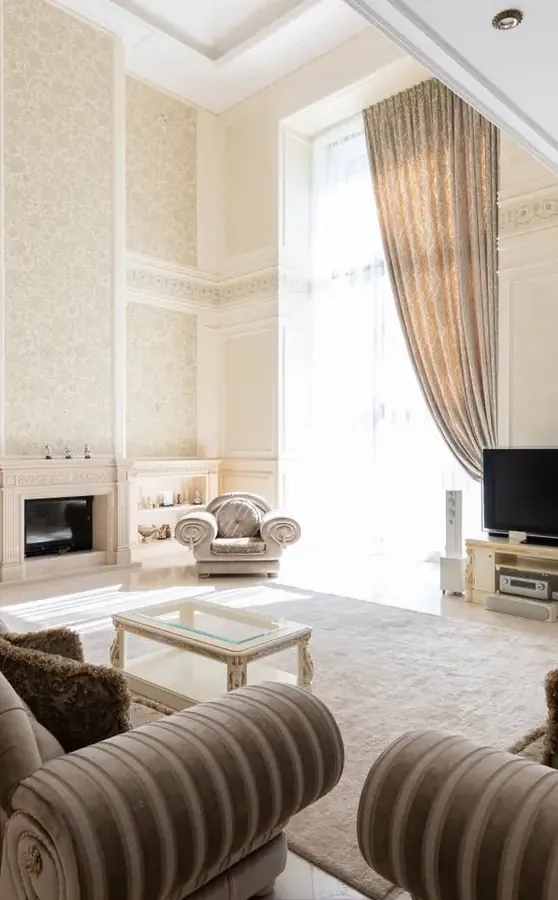
Al Tilal is a mixed residential district in east Jeddah where shops and apartments share the same buildings, nestled between Mareekh Mountains and Wadi Al Qaws. The surrounding terrain brings fine mountain dust that reaches carpet faster than flat areas, and seasonal valley moisture slows drying differently than other districts.
Mountain dust settles into carpet much faster than in level areas, and seasonal moisture from the valley makes drying slower than in higher districts. For the method itself, see what carpet and rug cleaning involves.
Mareekh Mountains nearby carry very fine dust that moves through the pile easily because of air movement from the slopes. This dust differs from street dust because it is extremely fine and reaches the base quickly. Deep dry vacuuming needs greater suction here than in flat districts.
Wadi Al Qaws brings seasonal moisture, especially in winter and spring, so carpet stays damp longer after washing than in other districts. We use directed drying with strong fans and continuous humidity checks before we leave, so drying is controlled, not left to overnight air.
Shops on the ground floor leave oil residue and heavy dust that traces into carpet above, while flats higher up face different loads. Both need separate treatment depending on what enters from the street and shops below.
A district between Mareekh Mountains and Wadi Al Qaws within east Jeddah's built area, where elevated and low-lying terrain means fine dust and seasonal valley moisture reach homes more easily.
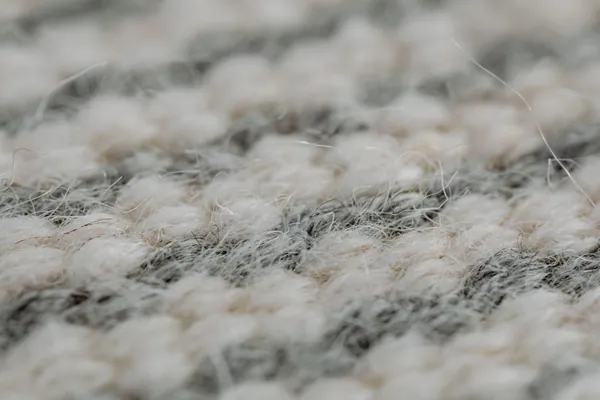
Coloured and light carpet in flats traps fine mountain dust easily, so we sort by fibre type first to choose the right approach before any treatment starts.
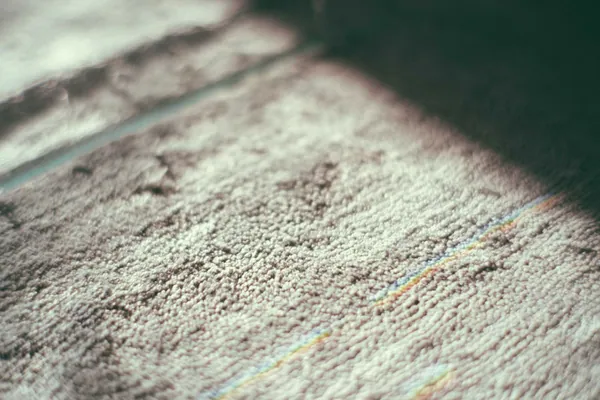
Fine mountain dust reaches deep into the pile quickly, so deep dry vacuuming first with extra power pulls out most particles before water is used.
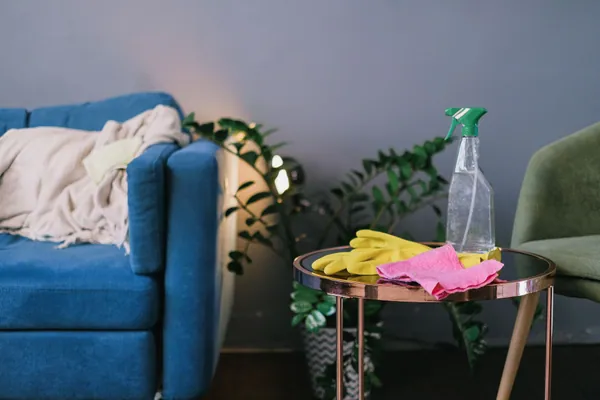
Oil stains from shops need manual treatment separately before full washing, and may need special agents to break down the oil.
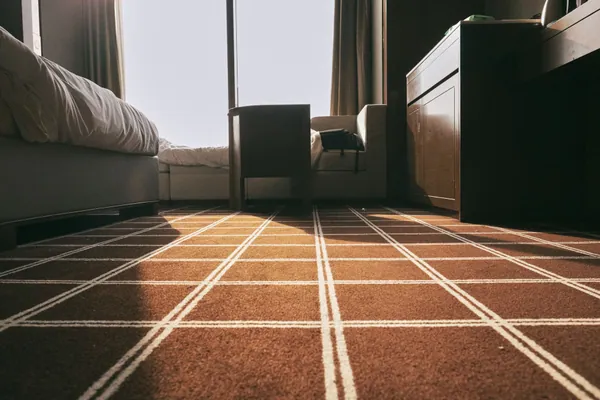
Hot water washing and wet extraction remove oils and fine dust from the base; synthetic fibres handle high heat well, but wool needs caution.
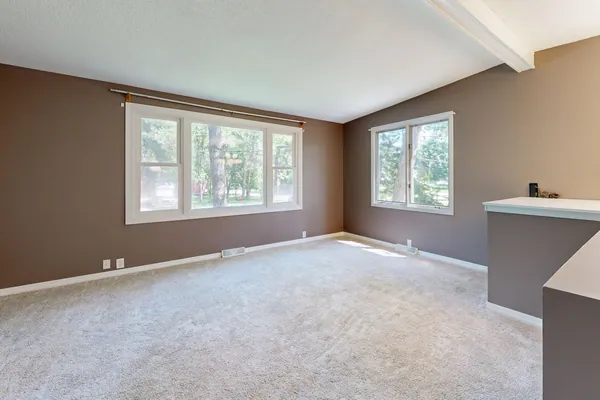
Fitted carpet in flats is cleaned in place with hot water, and needs directed drying afterwards because valley moisture slows natural drying significantly.
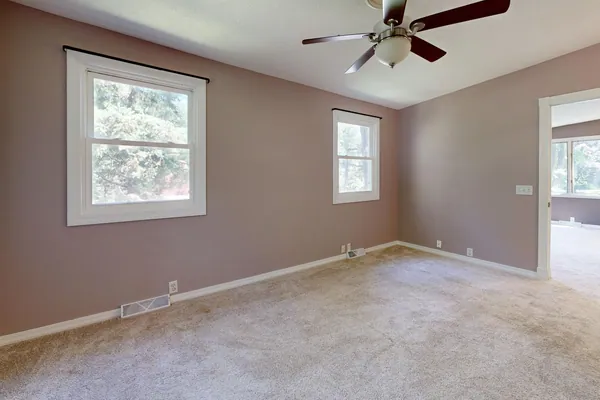
Wet extraction after washing is essential, then we manage moisture with strong fans and ventilation before we leave because seasonal humidity may bring smell back.
Wool, synthetic and silk-blends do not take the same heat or the same material.
Before any water.
An oil stain is not treated like a juice stain.
Hot water loosens what is bound in the pile and the extractor pulls it straight back out with the water, together, so nothing is left sitting in the base.
The borders and fringe are done by hand, where machines skip and where wear shows first, so the whole rug looks even.
The carpet is left slightly damp, not wet.
Mixed district: shops at street level with homes above them
A mixed district means flats face ground-floor shops directly, so they receive dust, vapours and oil residues unlike purely residential areas. Carpet here needs harsher treatment and more frequent cleaning.
Testing the material on a hidden spot is a step we treat as necessary, not optional.
The company runs a large workforce, and we send a team rather than one worker.
The deep vacuum and extraction machines are ours and arrive with the team.
If a rug needs repair or re-fringing rather than cleaning, we say so.
Photographs from real jobs carried out by the crew.












The commitment is simple enough to actually keep: we do not leave before you have seen the result and told us what you think.
Al Tilal lies between Mareekh Mountains to the east and Wadi Al Qaws to the west, and work is organised through local streets around this distinctive terrain, which means understanding how mountains and valley affect dust and moisture.
We provide these in Al Tilal too, and more than one can share a single visit.



