
We test before we clean
Testing the material on a hidden spot is a step we treat as necessary, not optional.
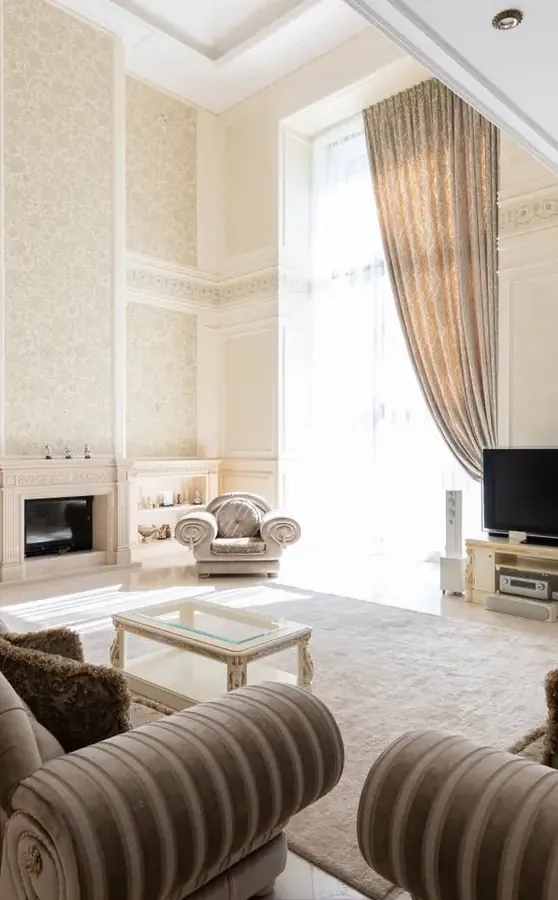
Al Safhah is a small district in the Taibah sub-municipality of east Jeddah near Asfan, one of a cluster of simple quarters close to Al Jumum border. The district sits far from the sea and close to open ground, so air is drier and dust is coarser and paler than on the coast. The problem here is not humidity but accumulation of heavy desert dust that creeps under doors and windows and settles on every flat surface overnight.
Carpet here accumulates coarse desert dust faster than other districts, and even daily vacuuming does not reach the deep layers where it beds in. For the method itself, see how we approach carpet and rug cleaning.
Al Safhah sits at the edge of open desert, and dry air carries coarse mineral grit. This dust works under doors and windows even when sealed tight, settling on every surface before sunrise. Mattresses, pillows and curtains become heavy from dust accumulation.
Floors here are mostly ceramic tile in apartment blocks and marble in villas, both scratched easily by large heavy dust particles. Grit under foot breaks the floor if it is swept rather than mopped. Carpet on such floors traps grit and dust together.
Dry air away from the sea means carpet dries quickly after wet extraction, which is an advantage. Yet desert dust accumulates very fast because dry air does not settle it but keeps it airborne, constantly landing on the carpet.
Al Safhah lies in the Taibah sub-municipality area of east Jeddah near Asfan, on the boundary with Al Jumum governorate, crossed by University of Jeddah Road and close to its stadium.
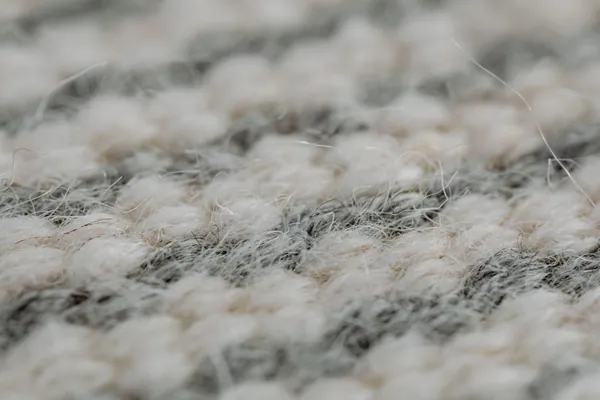
Sorting Al Safhah carpets is straightforward: most are basic weaves or acrylic, but heavy desert dust needs strong power regardless of type.
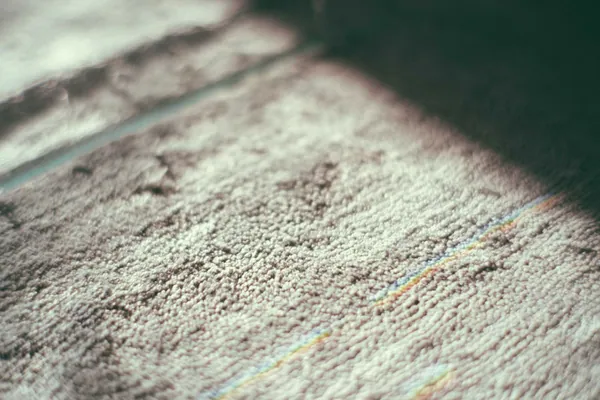
Deep dry vacuuming must be very powerful: desert dust is heavy and large mineral particles grip the pile tight and need forceful suction.
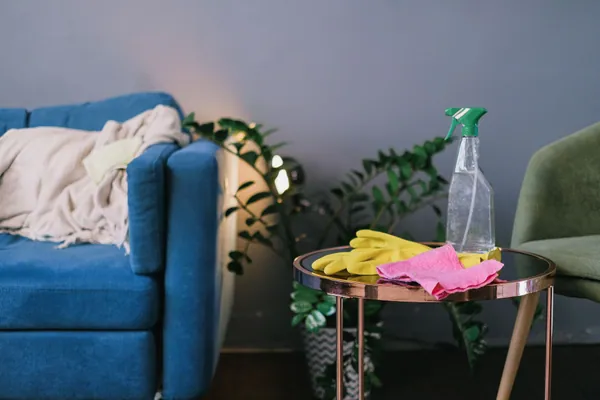
Stains here are mostly dust, mud and natural earth: simpler than chemical stains but they need repeated strong vacuuming to remove.
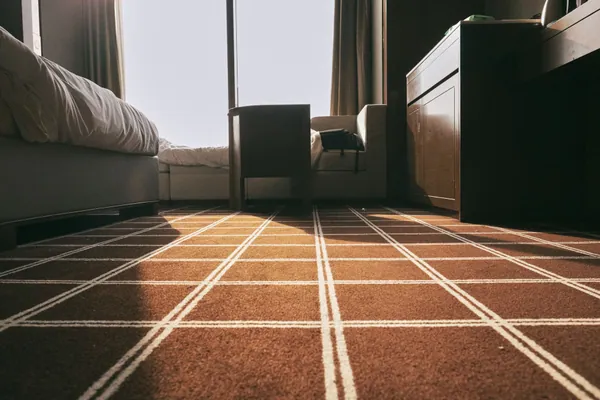
The wet extraction method in a dry zone can be forceful: hot water helps break dust free from the fibres before suction pulls it away.
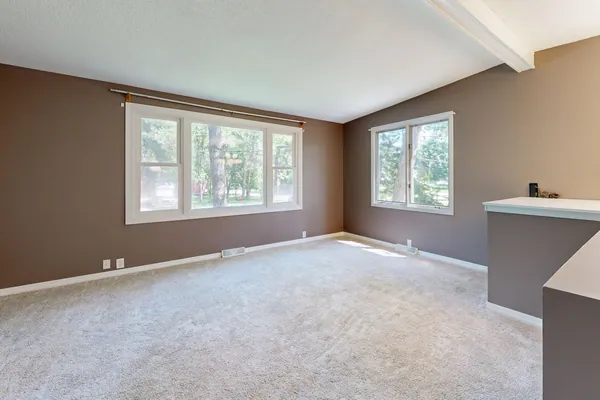
Fitted carpet in simple homes is cleaned in place but carefully: extra drying may be needed because the base may be weak, though dry air helps.
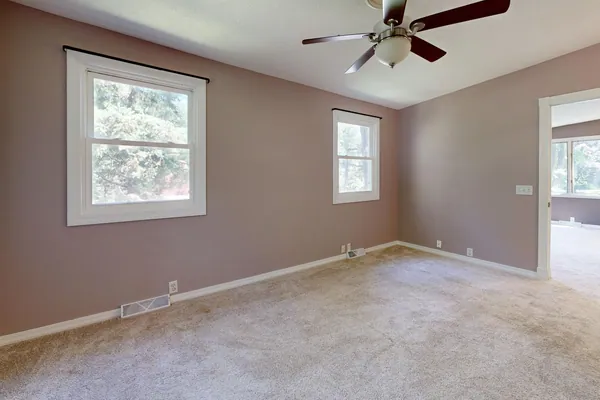
Wet extraction and drying should be directed: dry air aids drying but fans accelerate it further and help reduce dust odours.
Wool, synthetic and silk-blends do not take the same heat or the same material.
Before any water.
An oil stain is not treated like a juice stain.
Hot water loosens what is bound in the pile and the extractor pulls it straight back out with the water, together, so nothing is left sitting in the base.
The borders and fringe are done by hand, where machines skip and where wear shows first, so the whole rug looks even.
The carpet is left slightly damp, not wet.
Testing the material on a hidden spot is a step we treat as necessary, not optional.
The company runs a large workforce, and we send a team rather than one worker.
The deep vacuum and extraction machines are ours and arrive with the team.
If a rug needs repair or re-fringing rather than cleaning, we say so.
Photographs from real jobs carried out by the crew.












The commitment is simple enough to actually keep: we do not leave before you have seen the result and told us what you think.
East Jeddah lies furthest from the sea and closest to the open ground and hills beyond the ring roads, so the air is drier and the dust is coarser and paler than on the coast. It comes in under doors and settles on every flat surface overnight, making sofas, mattresses and curtains the heaviest part of the routine. Floors are mostly ceramic tile in the apartment districts and marble in the villa areas, both scratched by grit that is mopped rather than swept. Roof tank water leaves a grey film of sediment in baths and basins.
We provide these in Al Safhah too, and more than one can share a single visit.



