
We test before we clean
Testing the material on a hidden spot is a step we treat as necessary, not optional.
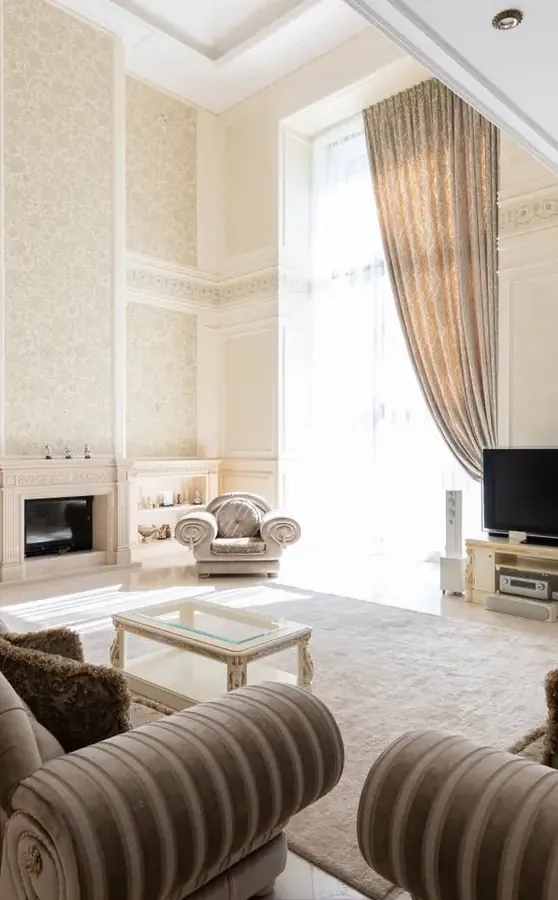
Al Rimal is a new residential subdivision on raised ground at the far south of Jeddah between the sea and heavy goods roads, with modern villas and apartments and vacant plots. Oily diesel soot and grease rise from the nearby roads, and coastal humidity speeds the buildup of oily stains.
Carpet in Al Rimal carries diesel soot and grease from the heavy roads, and sea salt settles fast because of closeness to the coast. For the method itself, see how we approach carpet and rug cleaning.
Heavy traffic beside Al Rimal releases diesel soot and oily particles. Coastal humidity makes the soot stick to new carpet fast. Oily particles sink into the pile and do not lift with household vacuuming. Specialised treatment with oil-removing compounds is essential to lift the soot.
The sea is close and salt air enters new carpet every day. Coastal humidity slows drying after washing. Salt and moisture together weaken new fibres fast. Deep extraction and fast drying are vital to protect the new carpet.
New villas with marble and ceramic tile are sensitive to excess moisture. Water damage to new subflooring or mould under new tile costs the householder. Strong extraction and fast drying protect new construction and new hard floors.
A south Jeddah subdivision sitting between the port and heavy traffic, showing almost no named local roads or public facilities yet on maps, indicating very early stages of building.
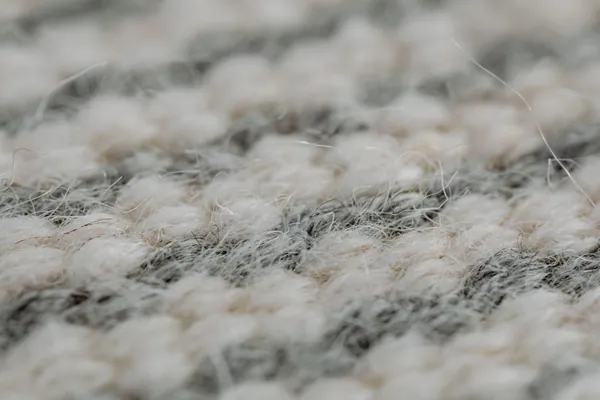
Fibre types are often premium in new villas; sorting is precise before washing to protect new pile.
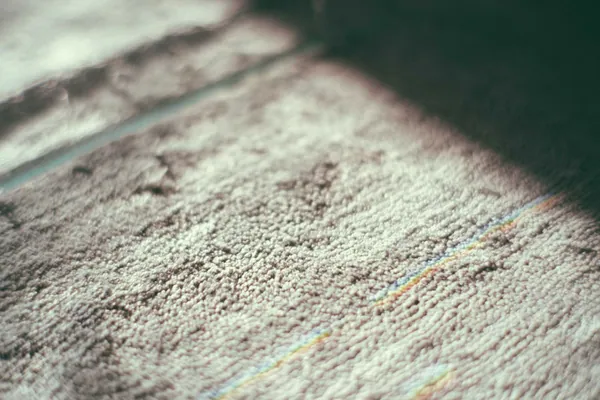
Deep vacuuming removes oily soot and salt deposits and trapped dust before any water is introduced.
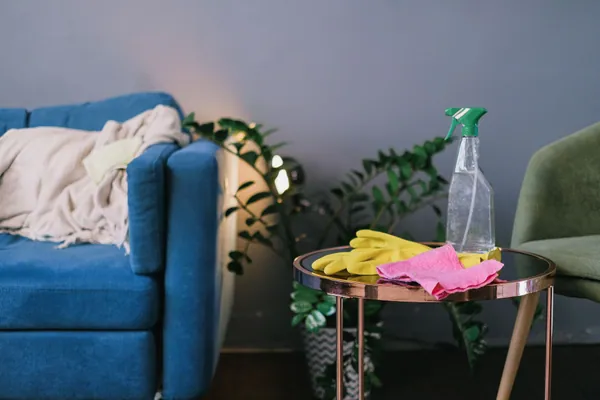
Stains are sooty and oily and salty; treatment uses compounds designed for grease and mineral salt removal.
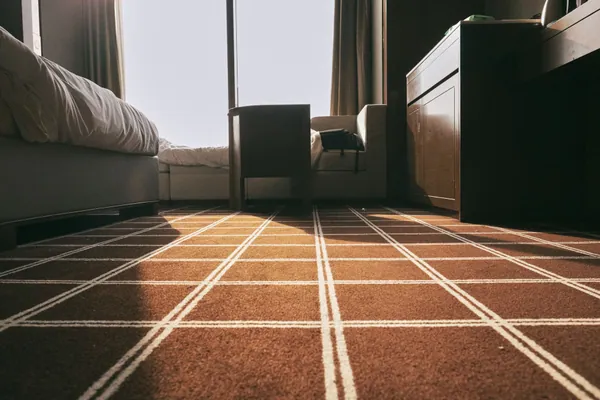
Method suits new fibre and heavy oily contamination: moderate heat and extracts made for oil removal.
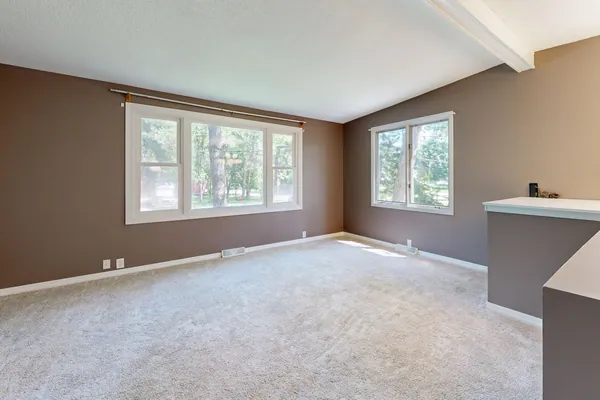
Fitted carpet is cleaned in place carefully to prevent moisture seeping under new hard flooring and subflooring.
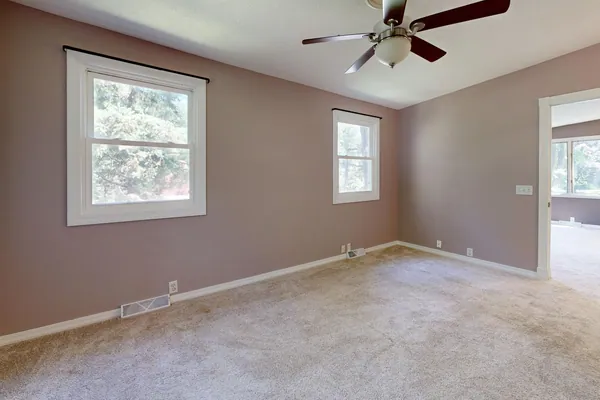
Wet extraction and very fast drying are vital in this humid coastal setting beside heavy roads where new floors fear moisture.
Wool, synthetic and silk-blends do not take the same heat or the same material.
Before any water.
An oil stain is not treated like a juice stain.
Hot water loosens what is bound in the pile and the extractor pulls it straight back out with the water, together, so nothing is left sitting in the base.
The borders and fringe are done by hand, where machines skip and where wear shows first, so the whole rug looks even.
The carpet is left slightly damp, not wet.
New development: ongoing construction and vacant plots between the homes
New development beside the sea and heavy roads means carpet faces oily soot and salt simultaneously. Cleaning must remove oily soot fast and protect new flooring from excess moisture that damage can follow quickly in this humid port zone.
Testing the material on a hidden spot is a step we treat as necessary, not optional.
The company runs a large workforce, and we send a team rather than one worker.
The deep vacuum and extraction machines are ours and arrive with the team.
If a rug needs repair or re-fringing rather than cleaning, we say so.
Photographs from real jobs carried out by the crew.












The commitment is simple enough to actually keep: we do not leave before you have seen the result and told us what you think.
South Jeddah runs from the port and the industrial city down towards Al Khumrah, and homes here sit between the sea and the heavy goods roads. The dust is darker and oilier than in the north, a mix of diesel soot and workshop grit, and it clings to net curtains, window sills and the tops of kitchen cupboards. Floors in the older low rise housing are often plain cement or ceramic tile that darkens where soot is walked in. Humidity from the coast adds mildew in bathrooms and a musty smell in stored fabrics.
We provide these in Al Rimal too, and more than one can share a single visit.



