
We test before we clean
Testing the material on a hidden spot is a step we treat as necessary, not optional.
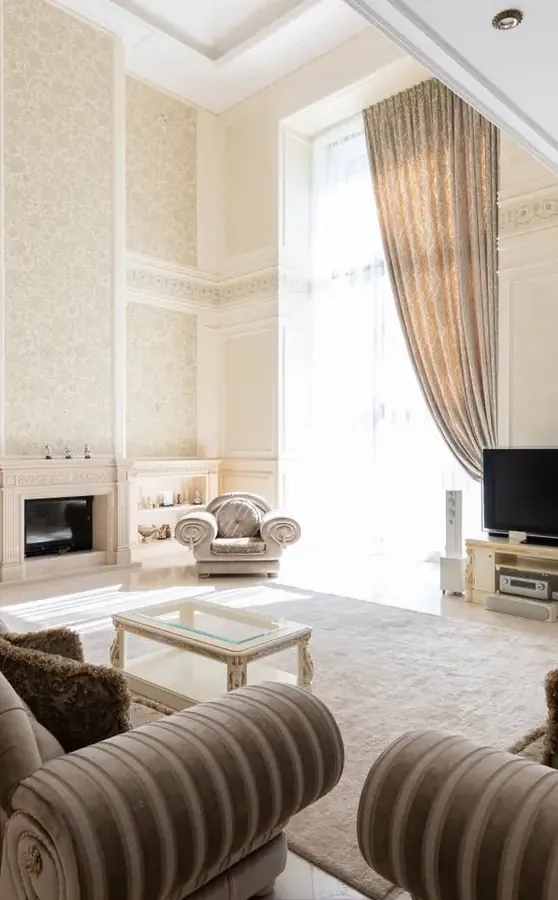
Al Mahamid is a traditional mixed district beside the Old Makkah Road in east Jeddah, with unpaved streets where coarse dust settles into carpet overnight. Homes stacked above street-level shops mean carpet here collects grit and oil from both the road below and kitchen smoke from the commercial space, and the shared stairwells see constant foot traffic. The challenge is getting dust and sediment out before the fibres are washed.
Carpet in flats above shops darkens noticeably faster than home-only carpet, and grey sediment from roof tanks settles in the fibres more heavily here than in better-drained districts. For the method itself, see how we approach carpet and rug cleaning.
Carpet in second and third-storey homes sits above busy ground-floor businesses, collecting road dust and grit through open windows alongside cooking oils and smoke rising from the shops below. The shared stairwells carry fitted carpet that sees hundreds of footsteps daily, grinding grit and dust deep into the base.
Roof tank water contains fine mineral particles that settle invisibly in the pile and base, leaving a grey film on bathroom and kitchen carpet that cannot be vacuumed alone. Poor drainage around the building means ground-level units retain dampness longer, which bonds sediment to the fibres and speeds soiling.
Ground-floor flats above the shops face rising damp and oil vapours, mid-level units handle street grit through windows, and the stairwell carpet is industrial weave that tolerates strong extraction but shows every footprint. Each needs assessment before washing begins.
Harazat Road serves as the main entry, old drainage systems mean ground-level flats face persistent dampness, and unpaved streets mean finer dust reaches further into the homes than typical.
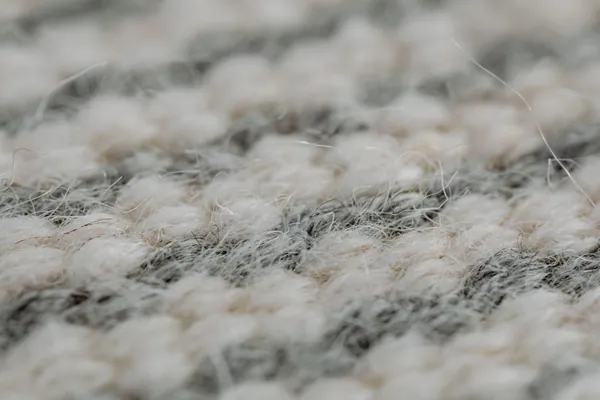
Cotton and wool carpet in flats above shops is uncommon here, but if present, sorting by fibre is critical because shop dampness and oil fumes affect delicate natural fibres differently than synthetics.
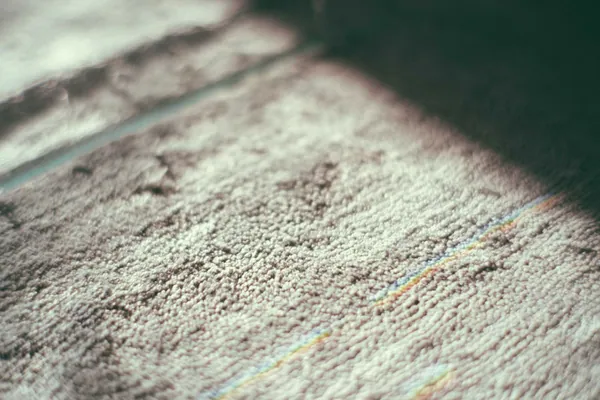
Deep dry vacuuming must come first in ground-level units and upper flats alike, because grit and sediment from unpaved streets will scratch the pile if water is applied before particles lift out.
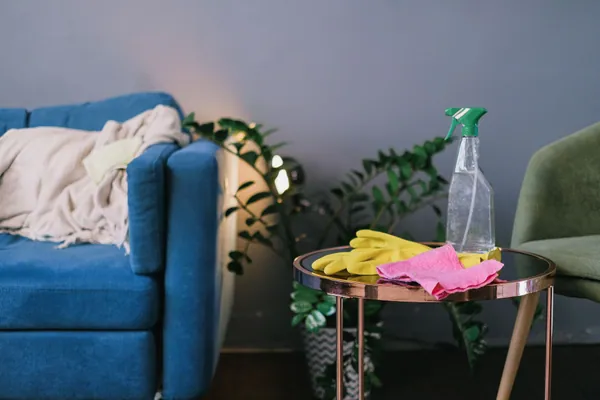
Oil stains from cooking, dust stains from the street, and sediment stains from roof tanks each need individual assessment because each requires slightly different water temperature and treatment time.
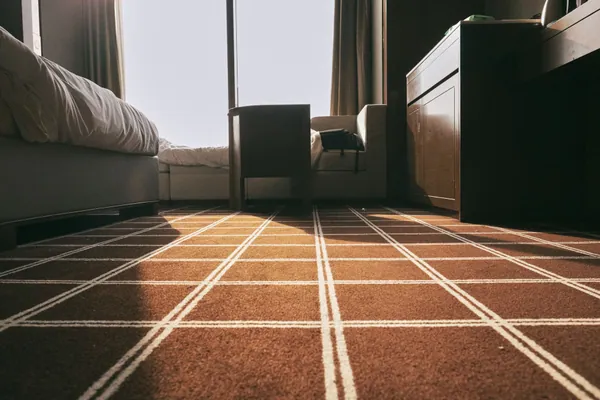
Washing method depends on whether the carpet is over shops or homes, on moisture levels in ground-floor units, and on whether synthetic or natural fibres are present, which varies building to building.
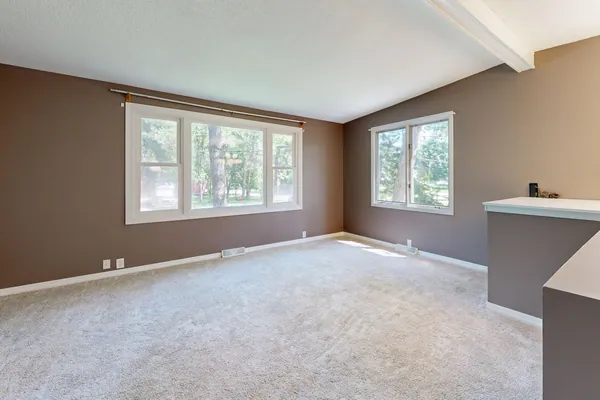
Fitted carpet in shared stairwells is cleaned in place because removal would be impractical; it tolerates firmer extraction than home carpet and often responds better to strong, short-duration cleaning than gentle, long.
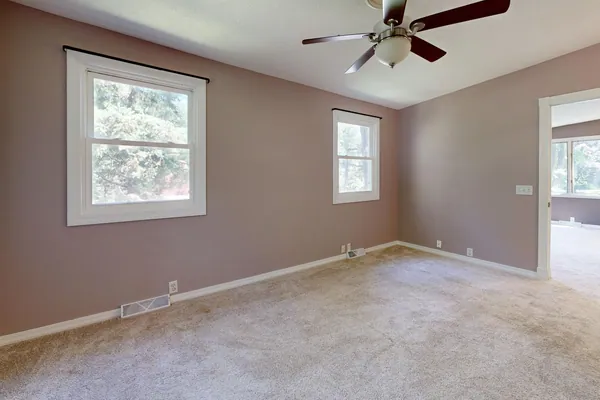
Wet extraction and drying must be thorough here because old drainage means residual dampness lingers; moisture metres guide the final phase to prevent mildew re-emerging after cleaning.
Wool, synthetic and silk-blends do not take the same heat or the same material.
Before any water.
An oil stain is not treated like a juice stain.
Hot water loosens what is bound in the pile and the extractor pulls it straight back out with the water, together, so nothing is left sitting in the base.
The borders and fringe are done by hand, where machines skip and where wear shows first, so the whole rug looks even.
The carpet is left slightly damp, not wet.
Mixed district: shops at street level with homes above them
The mixed nature of the district means carpet collects two types of dirt: street grit and commercial emissions. Ground-floor units above shops face rising damp that bonds fine particles to the fibres, making dry vacuum alone insufficient.
Testing the material on a hidden spot is a step we treat as necessary, not optional.
The company runs a large workforce, and we send a team rather than one worker.
The deep vacuum and extraction machines are ours and arrive with the team.
If a rug needs repair or re-fringing rather than cleaning, we say so.
Photographs from real jobs carried out by the crew.












The commitment is simple enough to actually keep: we do not leave before you have seen the result and told us what you think.
East Jeddah lies furthest from the sea and closest to the open ground and hills beyond the ring roads, so the air is drier and the dust is coarser and paler than on the coast. It comes in under doors and settles on every flat surface overnight, making sofas, mattresses and curtains the heaviest part of the routine. Floors are mostly ceramic tile in the apartment districts and marble in the villa areas, both scratched by grit that is mopped rather than swept. Roof tank water leaves a grey film of sediment in baths and basins.
We provide these in Al Mahamid too, and more than one can share a single visit.



