
We test before we clean
Testing the material on a hidden spot is a step we treat as necessary, not optional.
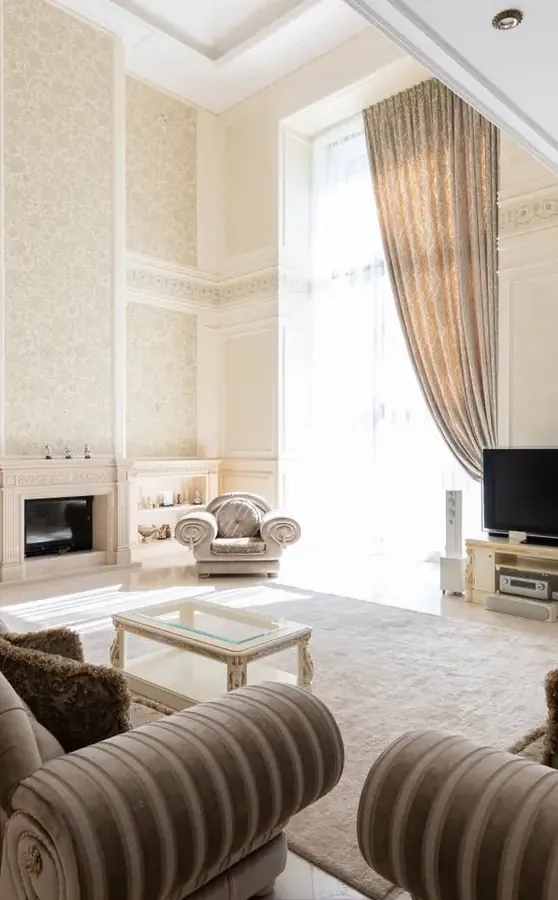
Al Harazat is a densely built residential spread that grew on former farmland, with low rise apartment blocks and narrow streets close to Old Makkah Road. Carpet here carries heavy traffic dust and fine grit from the road and from ongoing ground activity in the area, and fitted carpet in shared passages accumulates dust rapidly from the road and the tightly packed enclosed hallways.
Carpet here carries dark heavy dust from the road and ground work, and old ceramic tile flooring in most flats becomes grey with dust buildup within days of cleaning. For the method itself, see what carpet and rug cleaning involves.
Old Makkah Road close by carries heavy vehicle and lorry traffic, and the dust created by friction is dark and dense. The neighbourhood has narrow lanes with windows facing the road, so dust enters quickly and builds in layers on carpet. Vacuuming alone never catches up with the influx.
Buildings are packed at very high density and hallways are narrow with no space for natural ventilation. Fitted carpet in the sealed building corridors traps dust, and interior flats get no adequate natural air movement so dust stays locked in the fibres and becomes compacted.
Ceramic tile in most flats is aged and the grout lines between tiles are deep and can be porous. Excess water will seep into these gaps and remain trapped below the surface. Strong suction and rapid drying are essential without over saturation.
The district runs along Old Makkah Road with extremely narrow streets between tightly packed buildings, and heavy road dust enters homes quickly through windows and doors facing the street.
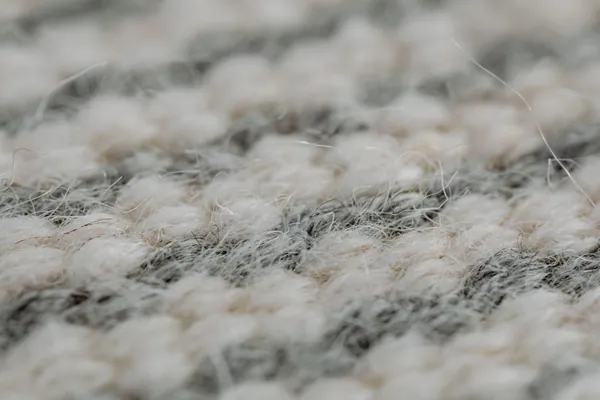
Sorting by fibre type first because the heavy dust type requires different handling for wool versus acrylic or blended carpet.
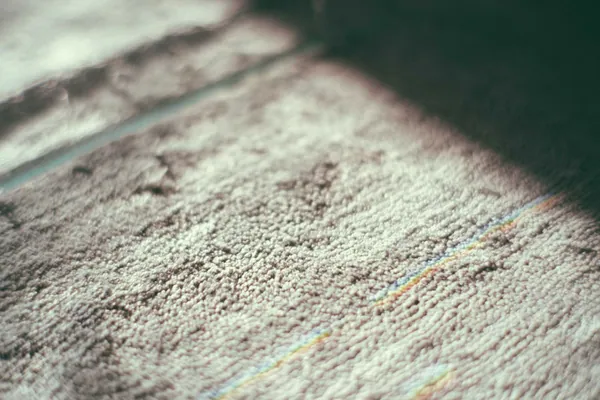
Deep dry vacuuming must be very strong because heavy road dust settles to the pile base rapidly and surface vacuuming leaves the bulk of the grit behind.
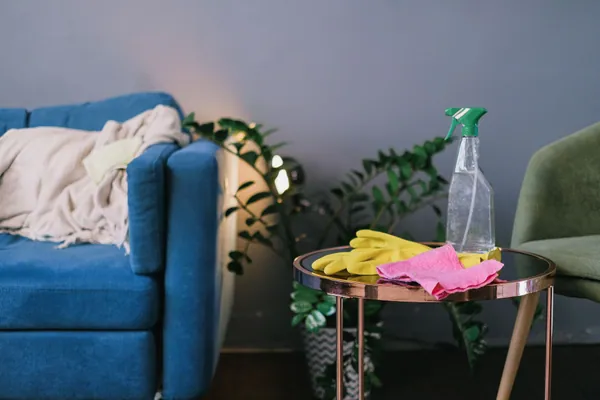
Dust and oil stains are treated separately according to dust type, as vehicle oil deposits require a different solvent than mineral grit.
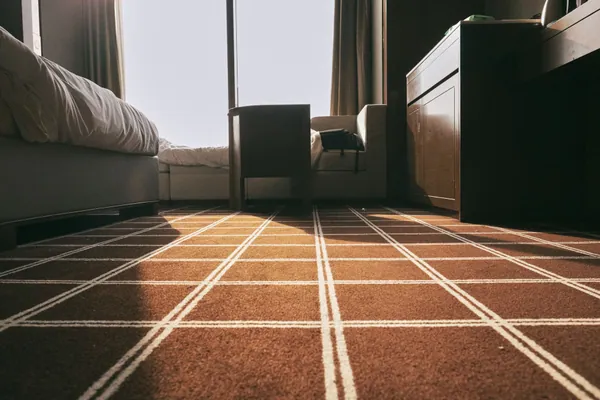
Mixed fibre carpet needs extraction tuned to the specific blend, as each component responds differently to heat and water pressure.
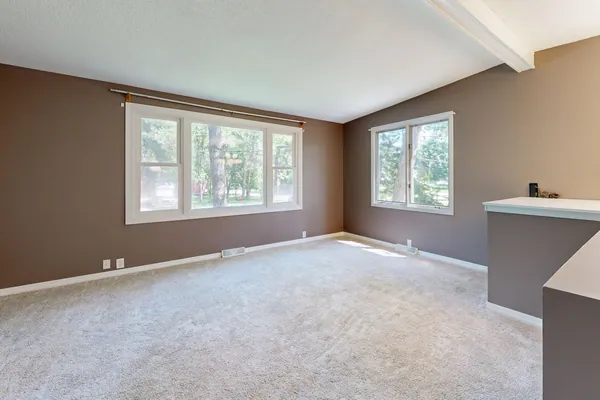
Fitted carpet in hallways must be treated to avoid water entering grout gaps or settling at floor level where it promotes mould.
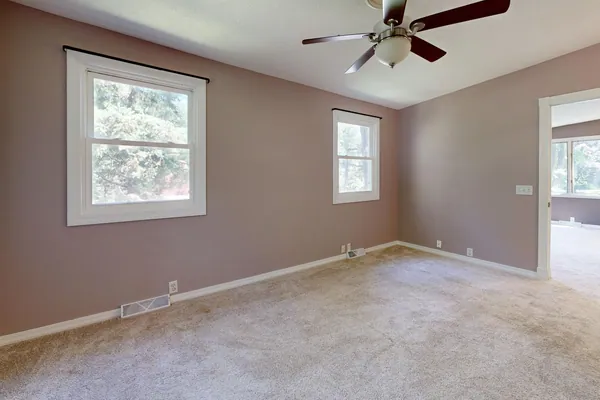
Wet extraction and drying require good air circulation even though sealed narrow hallways lack windows and may need specialist drying equipment.
Wool, synthetic and silk-blends do not take the same heat or the same material.
Before any water.
An oil stain is not treated like a juice stain.
Hot water loosens what is bound in the pile and the extractor pulls it straight back out with the water, together, so nothing is left sitting in the base.
The borders and fringe are done by hand, where machines skip and where wear shows first, so the whole rug looks even.
The carpet is left slightly damp, not wet.
Testing the material on a hidden spot is a step we treat as necessary, not optional.
The company runs a large workforce, and we send a team rather than one worker.
The deep vacuum and extraction machines are ours and arrive with the team.
If a rug needs repair or re-fringing rather than cleaning, we say so.
Photographs from real jobs carried out by the crew.












The commitment is simple enough to actually keep: we do not leave before you have seen the result and told us what you think.
Apartment district: residential blocks, repeated floors and shared entrances
Tightly packed apartment buildings with sealed corridors mean that wet carpet will affect neighbouring flats, making rapid extraction, quick drying and effective ventilation essential even in hallways without windows.
We provide these in Al Harazat too, and more than one can share a single visit.



