
We test before we clean
Testing the material on a hidden spot is a step we treat as necessary, not optional.
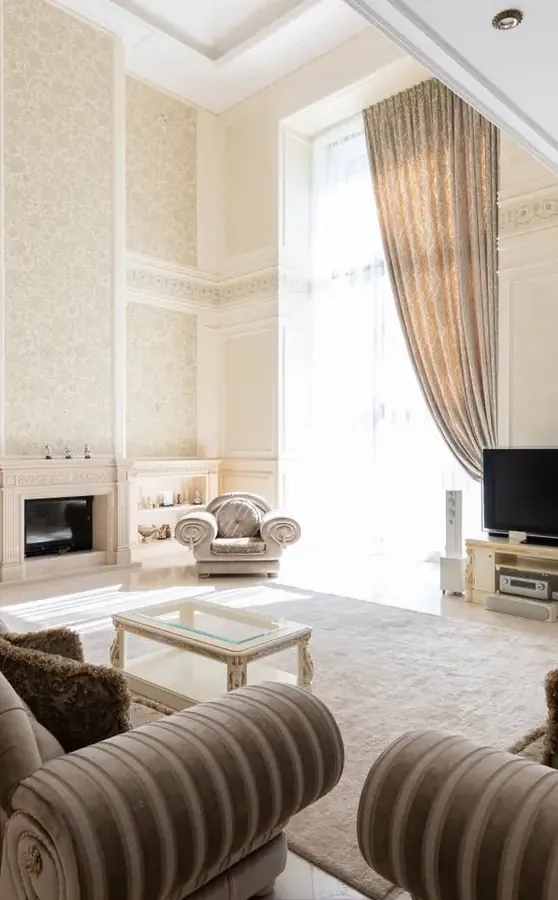
Al Hamra is an established waterfront district on the Red Sea where apartment towers rise above restaurants, cafes and shops. Flats higher up absorb cooking oil vapours from below; ground-floor homes and lower levels face seepage and ground moisture. The carpet here takes on salt from the air and grease from kitchen exhausts simultaneously.
Third and fourth floor flats smell cooking oil within days of kitchen opening, and carpet absorbs the odour faster than residents notice it has sunk into the pile. For the method itself, see our carpet and rug cleaning service in detail.
Flats above restaurants and cafes inhale cooking vapours and oil smoke through floor seams and ventilation gaps, and carpet absorbs the smell of grease and charring. Dry vacuuming cannot remove odour, and hot water extraction is needed to break down the oil locked in the fibre.
Flats close to the sea and Corniche, especially basement or ground-floor units, absorb moisture from seawater seepage and rain penetration. Old terrazzo or marble floors may have cracks, and water from cleaning can run underneath. Wet extraction must be thorough to prevent dampness returning.
Aged marble and terrazzo in Al Hamra flats often show cracks from foundation settlement and traffic above. Water from extraction can seep into gaps, and the underlay may hold moisture for weeks. Strong wet extraction and rapid drying prevent this trap.
A densely mixed upmarket coastal district where apartment buildings stand directly over commercial kitchens and shops at street level, with older marble and terrazzo flooring throughout.
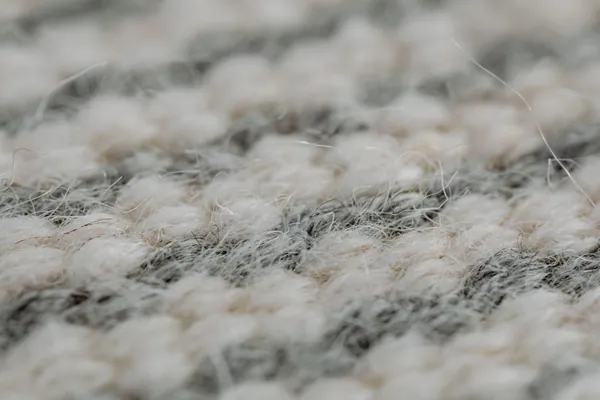
Al Hamra carpet may be Persian, Chinese or nylon pile, and sorting identifies whether oil and salt are environmental or from isolated spills before any water touches it.
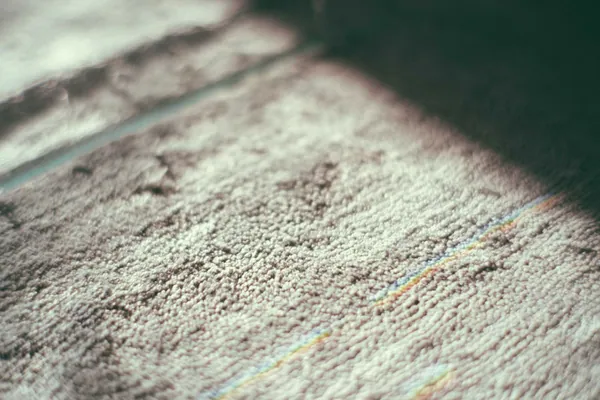
Dry vacuuming removes street dust and surface salt, but kitchen oil vapours trapped deep in the pile require hot water extraction and chemical breakdown.
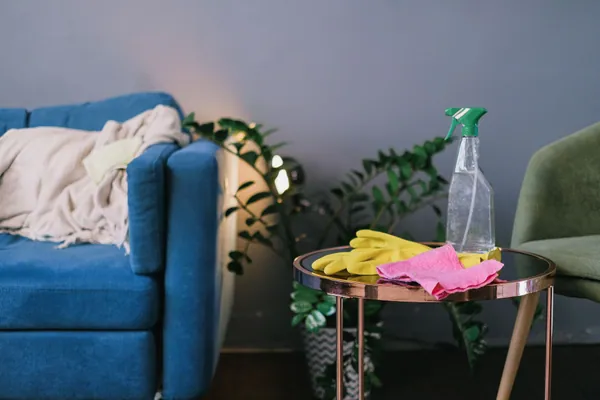
Oil stains from kitchens are treated with degreaser before hot extraction, and salt stains are pre-rinsed with fresh water to prevent salt spreading.
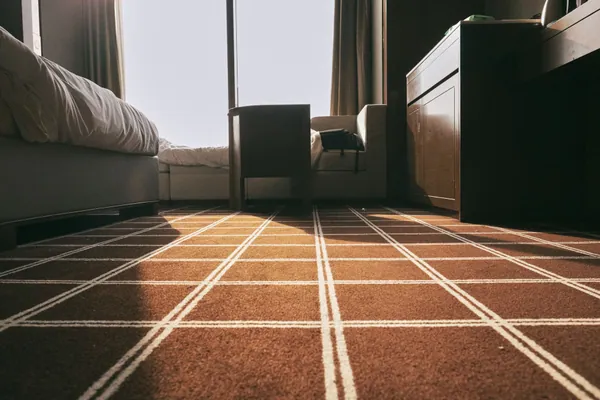
Hot water temperature depends on fibre type and stain strength; too hot damages wool, too cool leaves oil residue on strong deposits.
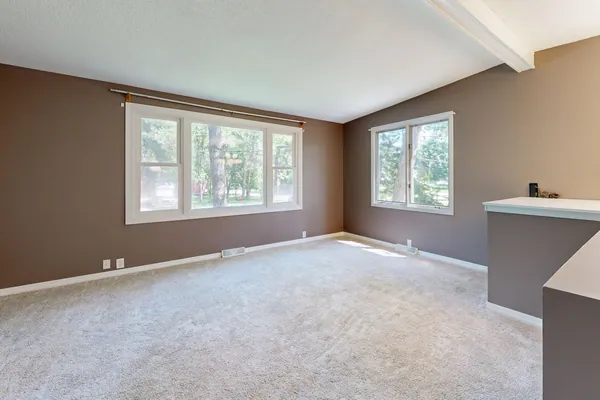
Fitted carpet in ground-floor flats is cleaned in place with careful drying afterwards to prevent moisture pooling underneath, which spreads odour and mould.
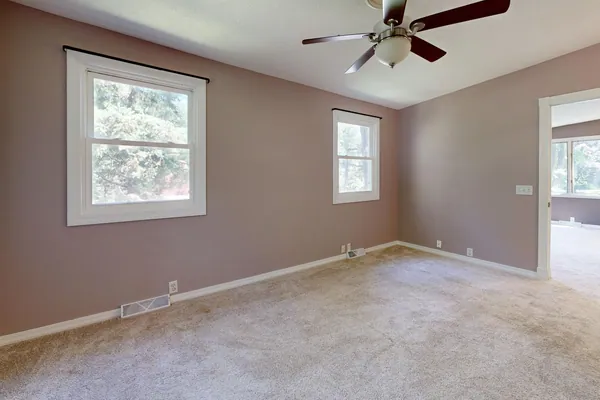
Wet extraction here must be strong due to ground moisture and salt, and drying takes longer than in inland districts because of the humidity and seawater seepage.
Wool, synthetic and silk-blends do not take the same heat or the same material.
Before any water.
An oil stain is not treated like a juice stain.
Hot water loosens what is bound in the pile and the extractor pulls it straight back out with the water, together, so nothing is left sitting in the base.
The borders and fringe are done by hand, where machines skip and where wear shows first, so the whole rug looks even.
The carpet is left slightly damp, not wet.
Testing the material on a hidden spot is a step we treat as necessary, not optional.
The company runs a large workforce, and we send a team rather than one worker.
The deep vacuum and extraction machines are ours and arrive with the team.
If a rug needs repair or re-fringing rather than cleaning, we say so.
Photographs from real jobs carried out by the crew.












The commitment is simple enough to actually keep: we do not leave before you have seen the result and told us what you think.
Coastal area: high humidity and salt air through the year
Coastal humidity and salt here mean carpet needs longer wash cycles and stronger drying. Flats above restaurants need special oil treatment and odour control; ground-floor units need aggressive water extraction to remove ground moisture that seeps constantly.
We provide these in Al Hamra too, and more than one can share a single visit.



