
We test before we clean
Testing the material on a hidden spot is a step we treat as necessary, not optional.

Al Asaliyah is a small locality in the outer south eastern part of Jeddah, in the district cluster administered with Bahrah. The surroundings combine light residential development with open land along the corridor toward Bahrah and Makkah. Carpet here requires careful attention because fine sand and oily diesel soot from heavy trucks on the nearby Makkah expressway settle rapidly and leave permanent staining if not cleaned frequently.
Oily soot from heavy vehicles deposits onto carpet and curtains within days; ceramic tile darkens where soot is walked in, and hard water leaves mineral deposits on floors that resist standard cleaning. For the method itself, see our carpet and rug cleaning service in detail.
The Jeddah-Makkah expressway passes close by, and heavy goods vehicles emit soot particles and oily residue. These deposit on carpet and soft furnishings, cling tenaciously, and require more than standard washing. Pre-treatment with a degreaser becomes mandatory, not optional.
Vast undeveloped land surrounding the locality remains uncompacted, and every wind event lifts fine dust into homes. Sand enters via footwear, windows and gaps, leaving a fine coating on carpets and penetrating the backing.
Ceramic tiles and hard flooring blacken at the walkways where soot particles are repeatedly trodden in. Surface cleaning removes only the visible layer. Carpet traps much of this soot and protects floors somewhat, but if soot accumulates in the pile, walking on it spreads the staining.
A small outer locality combining sparse housing with extensive open land on the southern corridor toward Bahrah and Makkah, with limited precise detail but clear exposure to heavy freight traffic and its environmental impact.
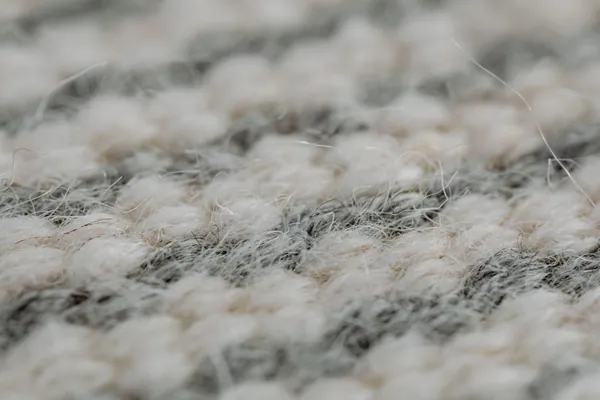
Fibre identification is important in areas with heavy oily soot, because different fibres respond differently to degreasing chemicals, and the correct agent must match the carpet.
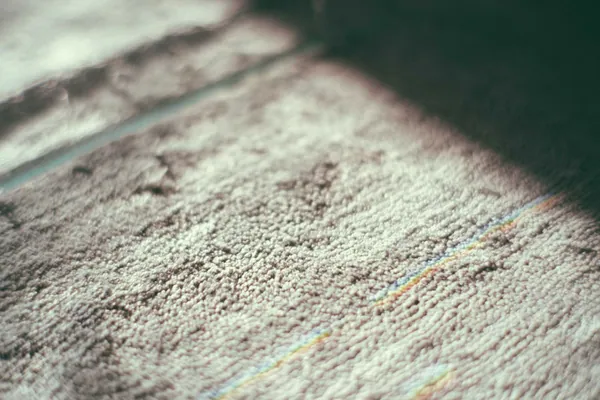
Deep dry vacuuming precedes any water because oily soot trodden into moisture embeds far deeper and becomes much harder to extract.
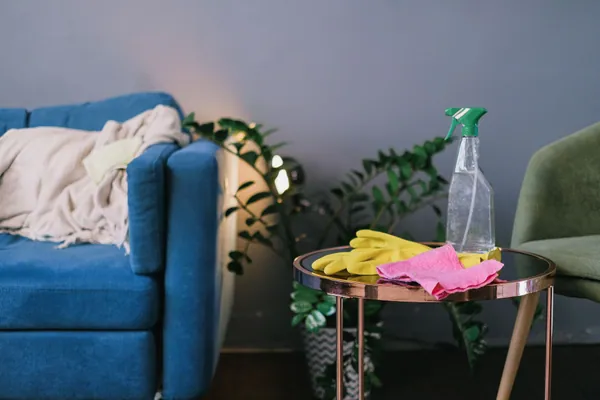
Stains from soot, grease, dust and mineral deposits require individual pre-treatment before general washing; soot must be broken down chemically before water extraction is effective.
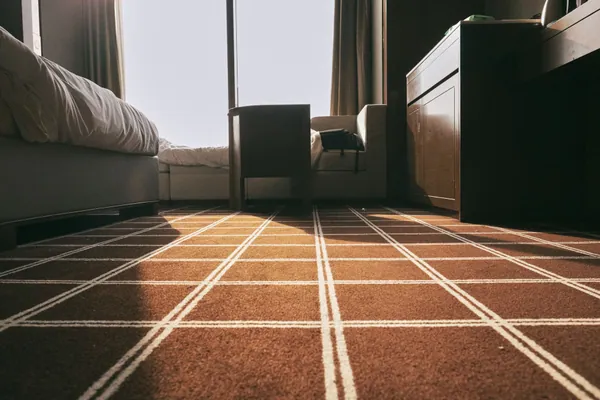
Washing with hot water and a degreaser, then extra rinses to flush grease residue and soot breakdown products completely from the pile and backing.
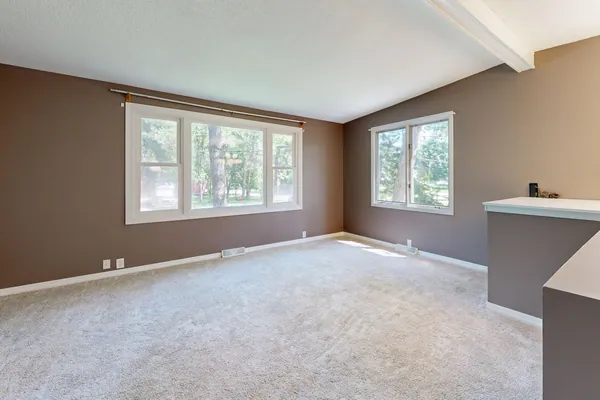
Fitted carpet in these homes is cleaned in place with careful protection for walls and adjacent furniture, and with attention to ventilation to clear degreaser vapours.
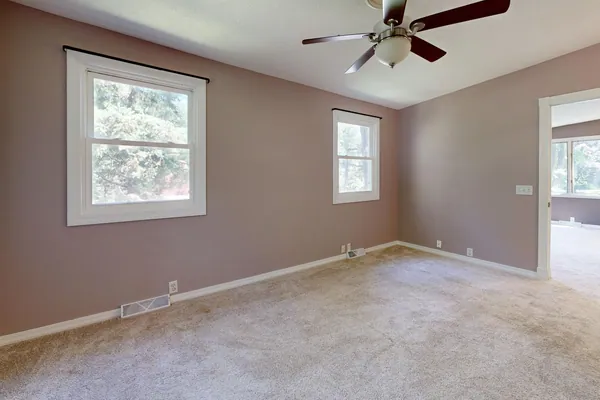
Wet extraction followed by complete drying prevents grease and soot from reabsorbing moisture during cooling and night-time humidity rise, which would re-establish odour and discolouration.
Wool, synthetic and silk-blends do not take the same heat or the same material.
Before any water.
An oil stain is not treated like a juice stain.
Hot water loosens what is bound in the pile and the extractor pulls it straight back out with the water, together, so nothing is left sitting in the base.
The borders and fringe are done by hand, where machines skip and where wear shows first, so the whole rug looks even.
The carpet is left slightly damp, not wet.
The Jeddah-Makkah Expressway and Al Jumum Road define access to this small locality, and scheduling work requires coordination to avoid peak traffic on these heavy-use corridors while reaching homes in this remote area efficiently.
Testing the material on a hidden spot is a step we treat as necessary, not optional.
The company runs a large workforce, and we send a team rather than one worker.
The deep vacuum and extraction machines are ours and arrive with the team.
If a rug needs repair or re-fringing rather than cleaning, we say so.
Photographs from real jobs carried out by the crew.












The commitment is simple enough to actually keep: we do not leave before you have seen the result and told us what you think.
South Jeddah runs from the port and the industrial city down towards Al Khumrah, and homes here sit between the sea and the heavy goods roads. The dust is darker and oilier than in the north, a mix of diesel soot and workshop grit, and it clings to net curtains, window sills and the tops of kitchen cupboards. Floors in the older low rise housing are often plain cement or ceramic tile that darkens where soot is walked in. Humidity from the coast adds mildew in bathrooms and a musty smell in stored fabrics.
We provide these in Al Asaliyah too, and more than one can share a single visit.



