
The right gear for drinking water
Pumps to clear sludge, scrubbing to remove biofilm, and disinfectant meant for potable storage.
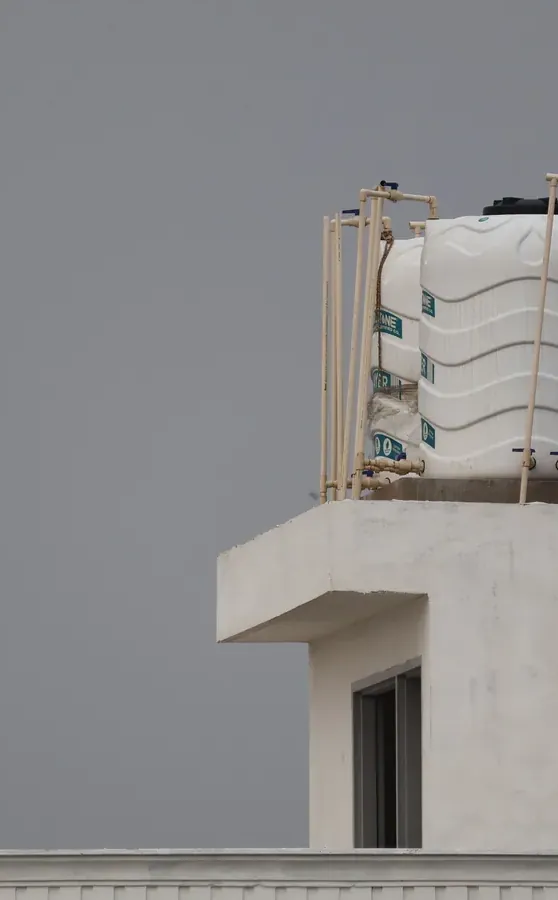
Quwaizah is one of Jeddah's oldest districts in the hills and valleys belt east of the city, directly affected by the 2009 flood. Tanks here are very old and collect groundwater and sediment from seasonal flooding. The water carries a strange smell and the tank still holds moisture from that historic flood years later.
Water in tanks here smells of old algae, and groundwater seeps through cracks in ageing tanks even when it is not raining. For the method itself, see what water tank cleaning involves.
Quwaizah sits in a valley and hill belt, and groundwater is high, especially after flooding events. Moisture enters old tank walls from below. The tank is never truly dry, and algae and mould grow fast from the constant dampness.
The tank may be older than the house itself, and groundwater and past floods have scarred it inside. Rust coats the walls from within, and black mould returns quickly after cleaning because the moisture never stops.
Wadi Al Qaws was the first area hit in the 2009 flood, and the district still carries the marks. Sand and silt settle easily in an old tank, and the water stays cloudy from particles no single cleaning removes.
A very old district in east Jeddah sitting in the hills and valleys zone, managed under Umm Al Salm sub-municipality, and exposed to severe floods in the past, most notably from Wadi Al Qaws.
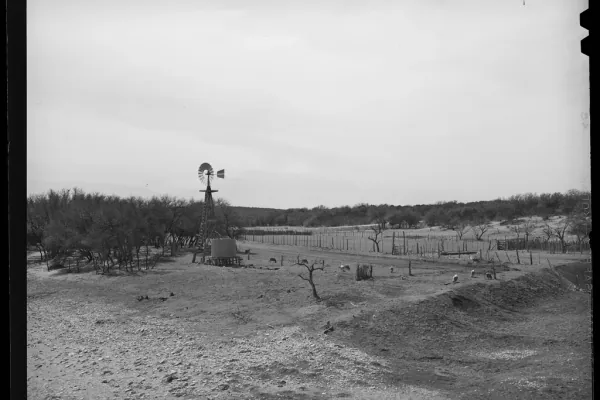
Inspection of the old tank starts outside: we check for cracks, constant moisture, the depth of age, and possible lingering effects from past flooding.
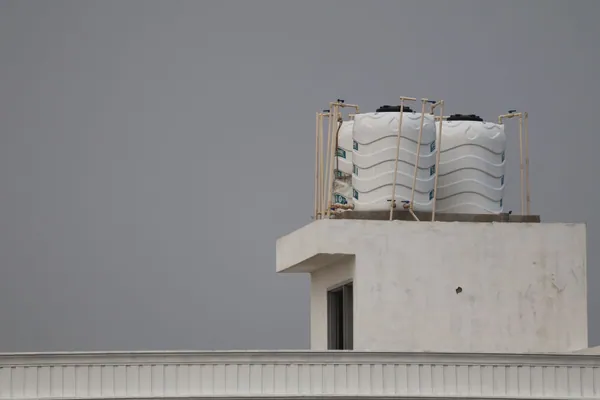
Complete draining from an old tank in a damp zone takes time, and the first water out carries silt and sand left behind from historic floods.
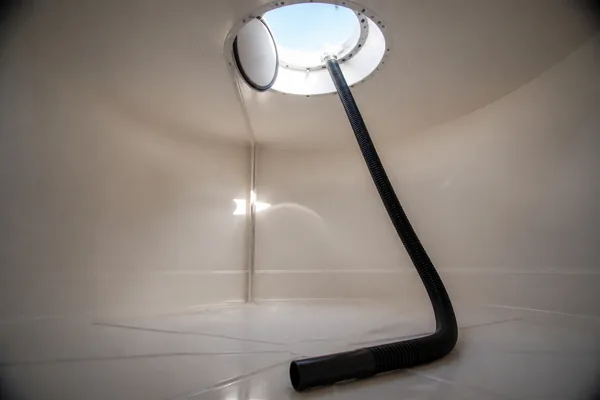
Sediment removal from the floor vacuums silt, sand and ancient algae that has settled over years of constant moisture.
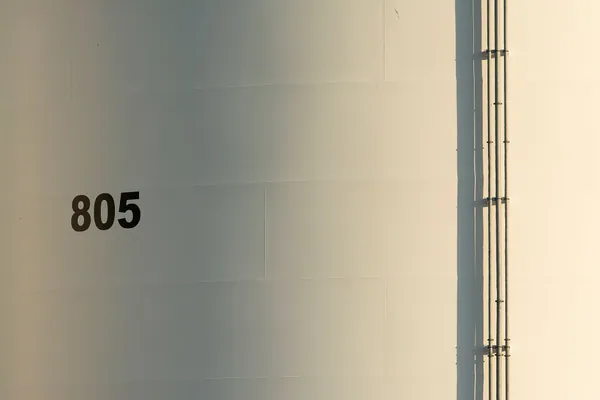
Scrubbing removes black rust and mould that grows fast from groundwater and constant tank dampness.
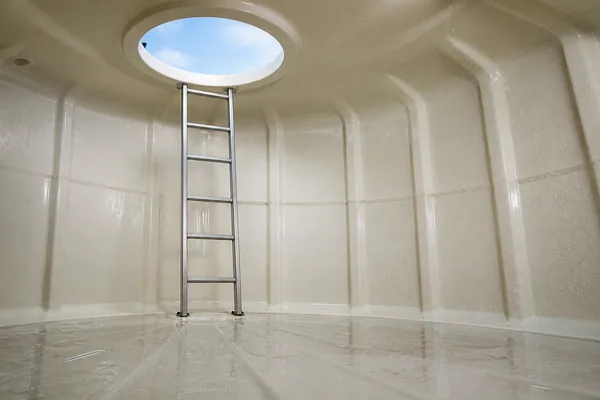
Disinfection is critical in old damp tanks, and remains safe to drink even as groundwater seepage persists.
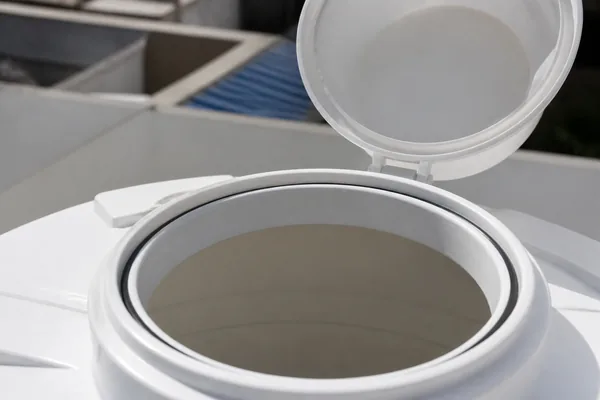
Final rinse and lid check ensure water clarity, and the seal is tight to block additional moisture entering the tank.
The supply into the tank is shut and the tank is drained completely.
The sludge on the floor is scooped and pumped out first.
The biofilm on the walls is physically scrubbed off.
With the walls and floor clean, a disinfectant made for drinking-water storage is applied and given time to act on every surface.
The disinfectant and any loosened residue are rinsed down and pumped out, so the first tank of water after us is not carrying it.
We check the cover seal and inlet before refilling, so dust and insects stay out, then start the refill while you watch it run clear.
Pumps to clear sludge, scrubbing to remove biofilm, and disinfectant meant for potable storage.
We send a team, not one person, so a tank is drained, cleaned, disinfected and refilled in a single visit rather than left open for days.
We look at the lid seal and inlet, because a tank that got dirty fast usually has a way in.
Nothing is closed until the tank is refilling and you have seen the water run clean.
Photographs from real jobs carried out by the crew.












The commitment is simple enough to actually keep: we do not leave until the tank is disinfected, refilling, and you have seen it for yourself.
Quwaizah lies near Wadi Al Qaws on one side and Mareekh Mountains on the other, falling under Umm Al Salm Sub-Municipality. We reach homes from Qais ibn Al Haytham Street or roads near Umm Al Muminin Khadija Mosque, and rooftop tanks sit away from the cracks caused by valley activity.
We provide these in Quwaizah too, and more than one can share a single visit.



