
The right gear for drinking water
Pumps to clear sludge, scrubbing to remove biofilm, and disinfectant meant for potable storage.
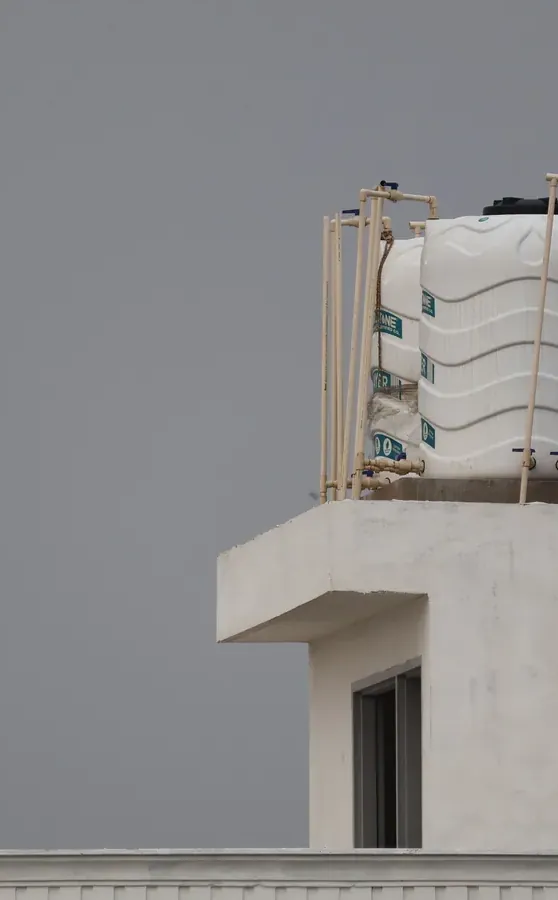
Briman is an old popular district in east Jeddah lying directly south of King Abdulaziz International Airport, with the Haramain High Speed Railway running near it. Housing here mixes with scattered industrial activity and gaps in urban planning, so water carries road dust and factory emissions. Tanks here turn cloudy faster than in other quarters because the environment is contaminated from multiple sources around them.
The tank in Briman holds industrial sediment in addition to normal deposits, because small factories and workshops are mixed into the residential area. For the method itself, see our guide to water tank cleaning.
Briman has industrial workshops mixed in with housing, not separated into a dedicated zone. Industrial dust, smoke and fumes blow freely in the air, and the tank draws this polluted air through ventilation openings and loose covers. The tank contains trace metals and light oils from the contaminated atmosphere.
Briman lies under repeated aircraft flight paths, and the vibrations stir sediment in tanks. Constant noise and tremors gradually crack seals and covers over time, letting fine dust and salt air enter the tank directly.
Briman has incomplete street planning and irregular drainage patterns, so rainwater pools easily and carries soil, sand and dust from roads and workshops. This raises humidity around tanks and accelerates the settling of contaminated particles.
Briman is an old popular district in east Jeddah south of King Abdulaziz International Airport, with popular housing mixed with scattered industrial activity and incomplete urban planning.
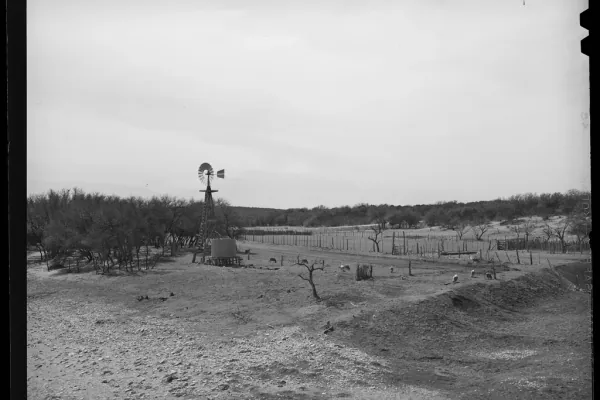
Tank inspection in Briman reveals brown sediment mixed with a faint metallic layer from industrial contamination, with walls coated in industrial dust.
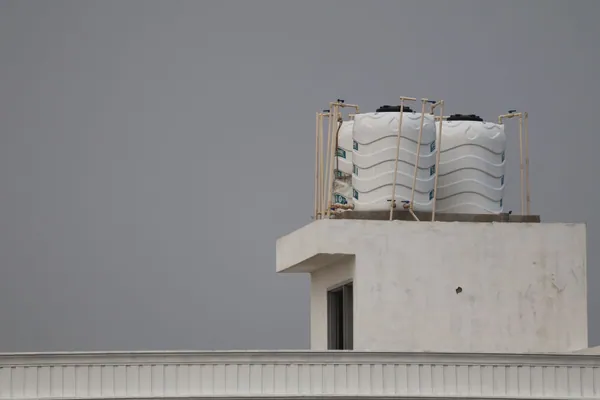
Draining old water from a Briman tank draws out brown water with a faint sheen from metals and light oils mixed with ordinary sediment.
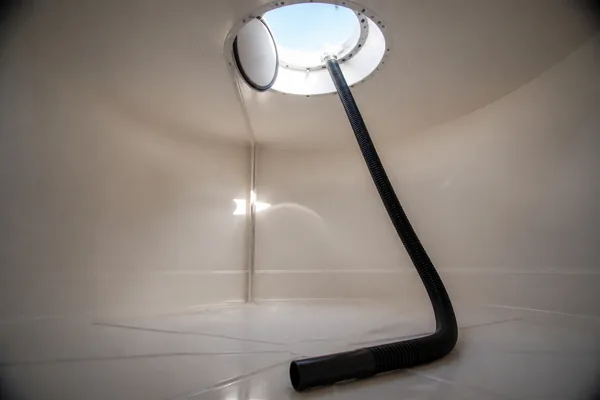
Sediment vacuumed from the floor of this tank removes a thick layer mixed with industrial particles that may be harder to extract completely.

Manual scrubbing of walls and floor removes light oily films from industrial sources and dust that has stuck to the surfaces.
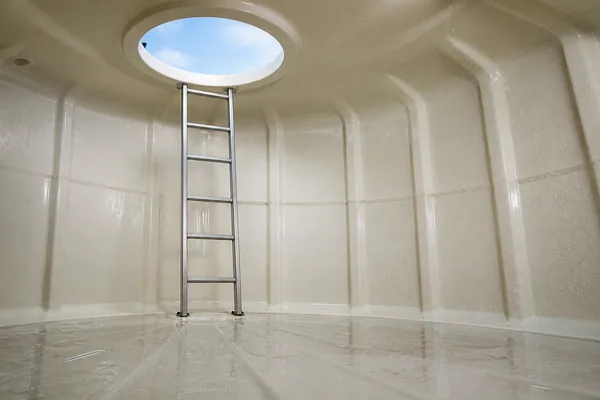
Disinfecting interior surfaces in a Briman tank needs stronger treatment to kill bacteria that may live on industrial sediment.
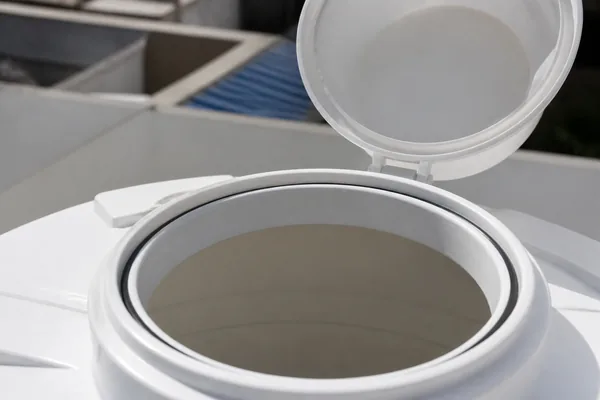
Final rinse and lid check in Briman ensures the tank is sealed tight against further entry of industrial dust and contaminated particles from the surrounding environment.
The supply into the tank is shut and the tank is drained completely.
The sludge on the floor is scooped and pumped out first.
The biofilm on the walls is physically scrubbed off.
With the walls and floor clean, a disinfectant made for drinking-water storage is applied and given time to act on every surface.
The disinfectant and any loosened residue are rinsed down and pumped out, so the first tank of water after us is not carrying it.
We check the cover seal and inlet before refilling, so dust and insects stay out, then start the refill while you watch it run clear.
Pumps to clear sludge, scrubbing to remove biofilm, and disinfectant meant for potable storage.
We send a team, not one person, so a tank is drained, cleaned, disinfected and refilled in a single visit rather than left open for days.
We look at the lid seal and inlet, because a tank that got dirty fast usually has a way in.
Nothing is closed until the tank is refilling and you have seen the water run clean.
Photographs from real jobs carried out by the crew.












The commitment is simple enough to actually keep: we do not leave until the tank is disinfected, refilling, and you have seen it for yourself.
Mixed district: shops at street level with homes above them
Mixed industrial in Briman means the tank holds sediment from scattered industries and constant contaminated air, so cleaning requires more time and stronger disinfection than tanks in purely residential districts.
We provide these in Briman too, and more than one can share a single visit.



