
The right gear for drinking water
Pumps to clear sludge, scrubbing to remove biofilm, and disinfectant meant for potable storage.
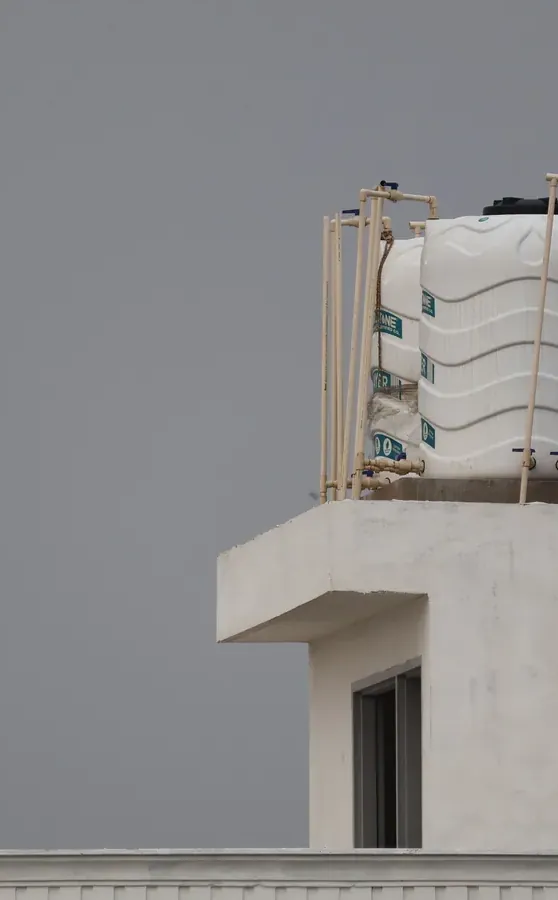
Al Waha is a relatively new villa district east of Haramain Road and north of Palestine Road, laid out to an organised plan with each home having its own plot and garden. Villas use water heavily for gardens and pools, making tanks get soiled much faster than apartment districts. Air is dry and dust is coarse from open ground to the east.
Tanks in Al Waha get soiled quickly from high garden and pool water use, and are emptied and refilled much faster than in apartment blocks. For the method itself, see how we approach water tank cleaning.
Every villa has a garden and pool, using large amounts of water. The tank empties and refills fast, sediment settles more quickly. High repeated consumption causes tank soiling much faster than apartment districts.
The district sits at the edge between development and open terrain. Desert dust and sand from the east blows into tanks through worn lids. The dust is coarse and pale from desert sources and settles quickly. Water may visibly carry fine sand.
The district is modern and most pipework is new. However construction work near the district kicks up building dust. Construction sediment sometimes enters tanks. Water may carry brown sand from building dust during periods of active development.
A modern villa district in east Jeddah with separate plots and private gardens for every home, very high water consumption from gardens, dry air and coarse dust from open terrain to the east.
Tank inspection in Al Waha focuses on checking new pipework to ensure it is not leaking and that building dust has not entered during construction.
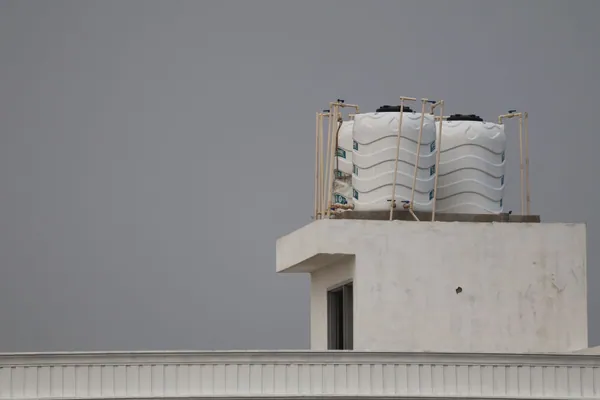
Old water is often completely clear if pipes are new, so vacuuming is routine but necessary for maintenance standards and ensuring safety.
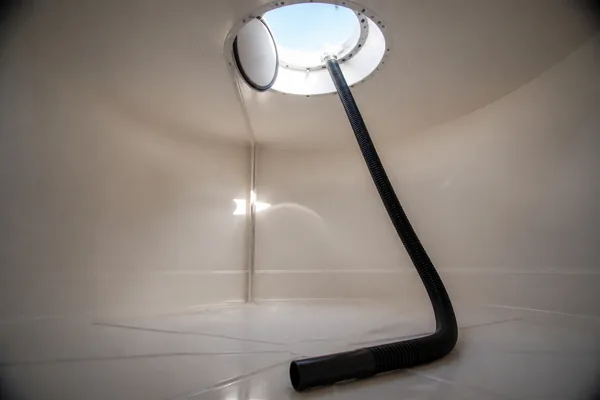
Sand and dust from open ground may be present, so vacuuming is adjusted to the amount of sediment actually found during inspection.
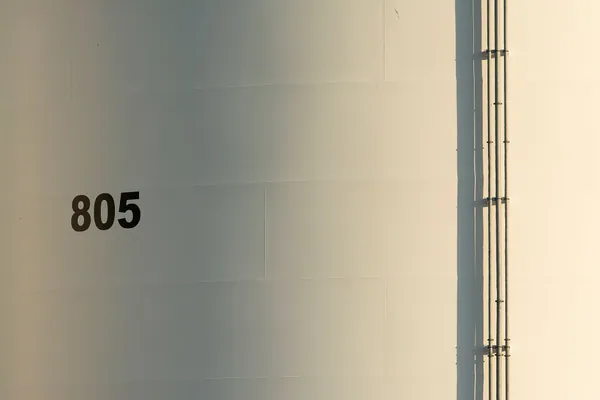
Scrubbing walls is simple in new tanks but necessary for general cleanliness and to meet consistent service standards.
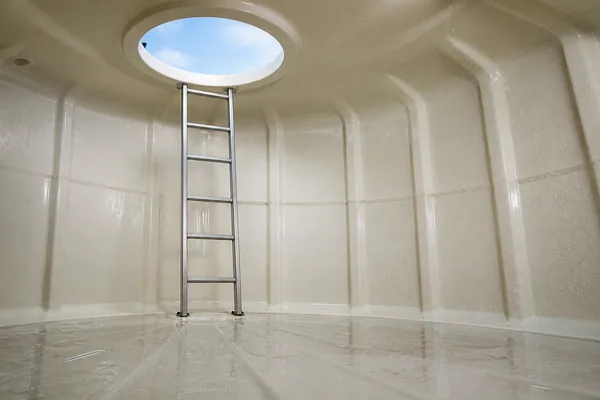
Disinfection is standard because new villas have clean water and are not in a specially contaminated environment.
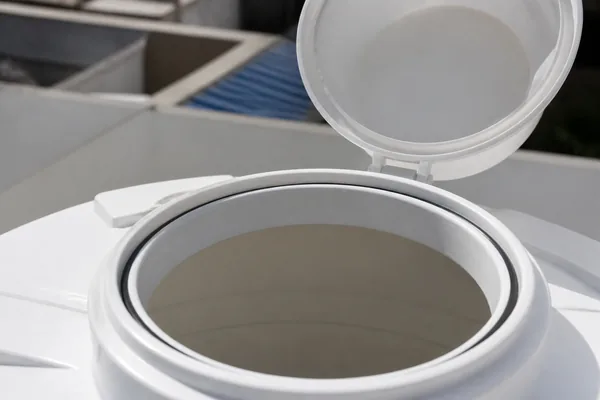
Checking the lid is important because new covers are usually tight-fitting, but maintaining the seal over time requires attention and inspection.
The supply into the tank is shut and the tank is drained completely.
The sludge on the floor is scooped and pumped out first.
The biofilm on the walls is physically scrubbed off.
With the walls and floor clean, a disinfectant made for drinking-water storage is applied and given time to act on every surface.
The disinfectant and any loosened residue are rinsed down and pumped out, so the first tank of water after us is not carrying it.
We check the cover seal and inlet before refilling, so dust and insects stay out, then start the refill while you watch it run clear.
Pumps to clear sludge, scrubbing to remove biofilm, and disinfectant meant for potable storage.
We send a team, not one person, so a tank is drained, cleaned, disinfected and refilled in a single visit rather than left open for days.
We look at the lid seal and inlet, because a tank that got dirty fast usually has a way in.
Nothing is closed until the tank is refilling and you have seen the water run clean.
Photographs from real jobs carried out by the crew.












The commitment is simple enough to actually keep: we do not leave until the tank is disinfected, refilling, and you have seen it for yourself.
Villa district: private plots, gardens and a boundary wall to every house
A villa district means every home has its own plot and private garden. High water use from gardens and pools causes tank soiling much faster than apartments. More frequent regular cleaning is essential for villa tanks.
We provide these in Al Waha too, and more than one can share a single visit.



