
The right gear for drinking water
Pumps to clear sludge, scrubbing to remove biofilm, and disinfectant meant for potable storage.
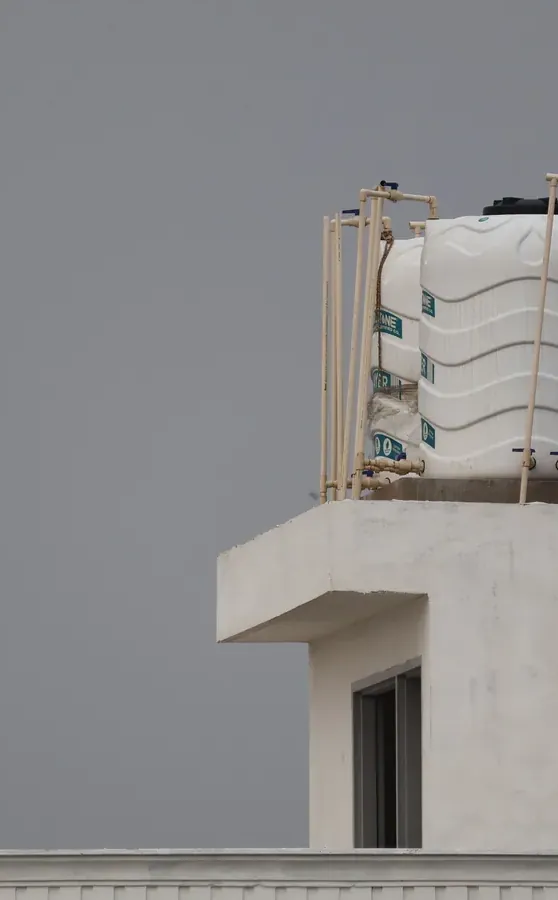
Al Sarawriyah is an industrial zone on Al Laith Expressway in south Jeddah, where distribution warehouses and small factories outnumber homes. Scattered villas and apartments sit between the commercial buildings. The air is thick with dust and smoke from constant truck traffic and industrial activity. Water tanks here foul faster than anywhere else in the city.
Water runs grey and black from industrial dust and exhaust, even weeks after the last cleaning. For the method itself, see how we approach water tank cleaning.
Factories, warehouses and truck traffic release thick dust and smoke. It enters the tank through every opening. Deposits here are heavier and darker than in residential areas. Cleaning needs more force and must repeat more often.
Metal particles, oils, factory and warehouse debris enter the tank. This dust does not settle easily but stays suspended, turning water grey and black. Disinfection alone will not fix this; the dust must be physically removed.
Smoke deposits on tank covers and roof surfaces. The lid itself becomes fouled and transfers dirt into the tank. Checking and cleaning the lid is essential work in this district.
An industrial belt along Al Laith Expressway where warehouses, factories, markets and heavy vehicle movement dominate, with ground level dust and smoke pollution from machinery.
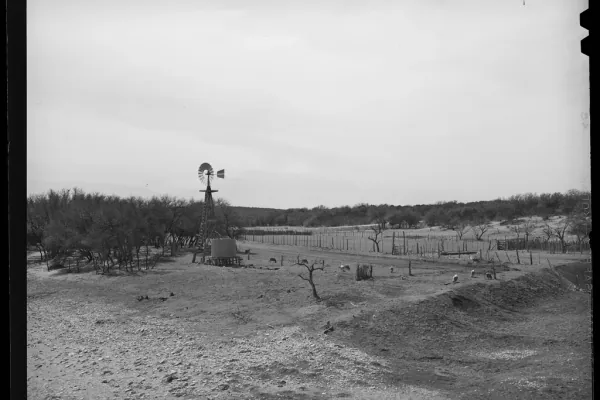
We inspect the tank, lid and inlet to assess exposure to industrial dust and smoke from the surrounding area.
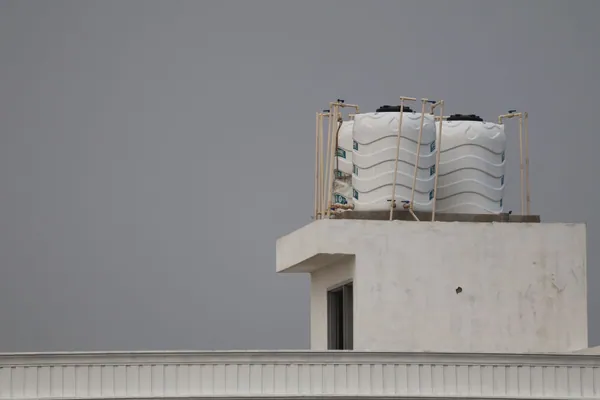
Complete drainage reveals heavy deposits of industrial dust and metal particles settled on the floor.
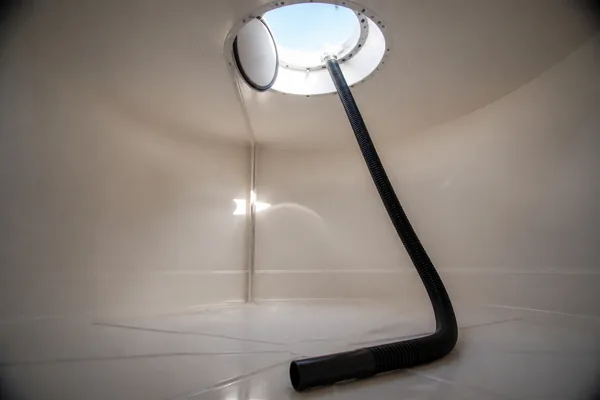
Sediment is carefully vacuumed to remove the heavy, dark particles that would otherwise re-suspend in fresh water.
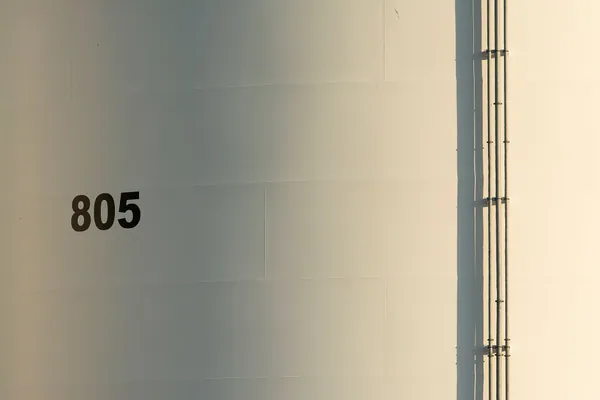
Walls are scrubbed by hand to remove black and grey layers of smoke and dust buildup.
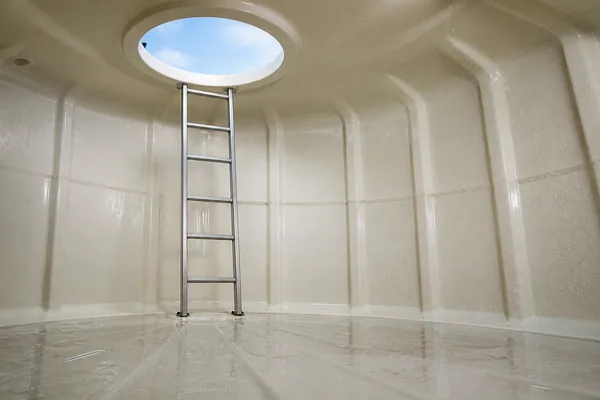
Strong disinfectant is applied to kill bacteria that thrive in polluted, dust-laden water conditions.
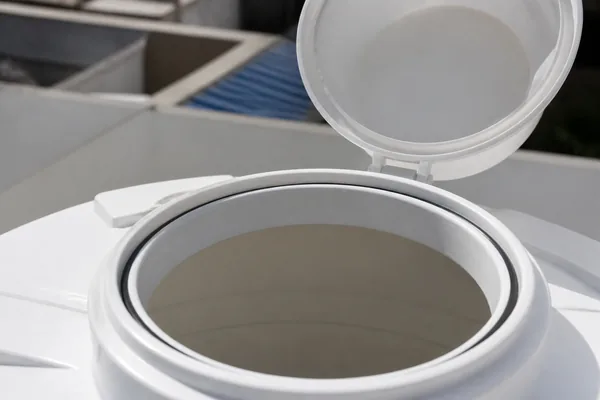
Rinsing continues until water runs clear, and the lid and inlet are checked thoroughly to prevent renewed contamination.
The supply into the tank is shut and the tank is drained completely.
The sludge on the floor is scooped and pumped out first.
The biofilm on the walls is physically scrubbed off.
With the walls and floor clean, a disinfectant made for drinking-water storage is applied and given time to act on every surface.
The disinfectant and any loosened residue are rinsed down and pumped out, so the first tank of water after us is not carrying it.
We check the cover seal and inlet before refilling, so dust and insects stay out, then start the refill while you watch it run clear.
Pumps to clear sludge, scrubbing to remove biofilm, and disinfectant meant for potable storage.
We send a team, not one person, so a tank is drained, cleaned, disinfected and refilled in a single visit rather than left open for days.
We look at the lid seal and inlet, because a tank that got dirty fast usually has a way in.
Nothing is closed until the tank is refilling and you have seen the water run clean.
Photographs from real jobs carried out by the crew.












The commitment is simple enough to actually keep: we do not leave until the tank is disinfected, refilling, and you have seen it for yourself.
Industrial area: workshops, warehouses and loading yards
Al Sarawriyah is industrial, which brings unique challenges: heavy dust, smoke and metal particles settle quickly. The tank needs harder cleaning and more frequent visits, with continuous inspection of the lid and inlet to slow re-contamination.
We provide these in Al Sarawriyah too, and more than one can share a single visit.



