
The right gear for drinking water
Pumps to clear sludge, scrubbing to remove biofilm, and disinfectant meant for potable storage.
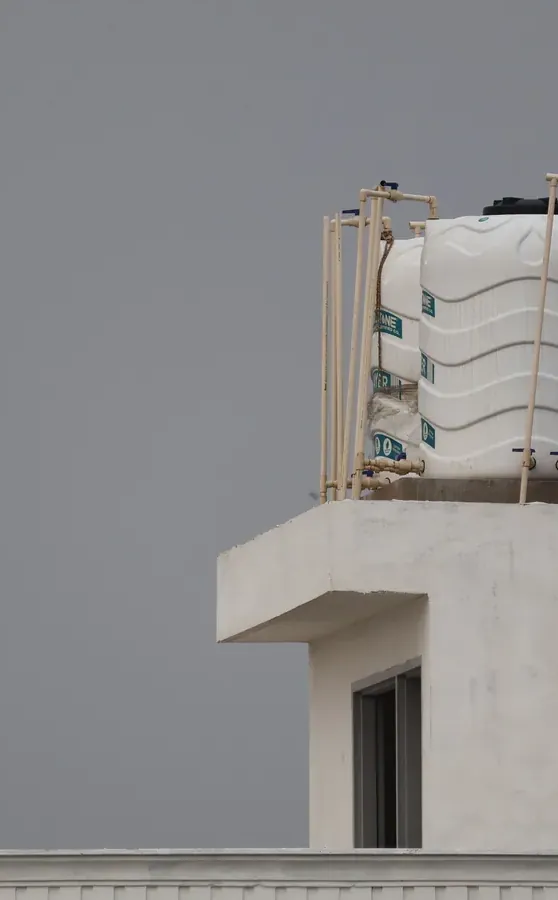
Al Rawabi is a densely packed residential district in south Jeddah, with apartment blocks stacked closely together, shops, markets and small parks. Tanks here sit high on block rooftops and may hold mixed sediment of dust, salt and grease together because the area is close to the port and heavy goods routes. Full cleaning needs a team that knows how to move quickly and safely on crowded rooftops above occupied apartments without disturbing the residents below.
Storage tanks in this area hold thick dark oily deposits on the walls full of diesel soot, salt and cooking grease combined, requiring a strong experienced team working carefully on high rooftops above occupied buildings. For the method itself, see how we approach water tank cleaning.
Al Rawabi is close to the port and heavy truck routes, and dark dust is laden with diesel soot and oil. This dust enters the tank and leaves a black oily film on walls and floor. Surface cleaning will not remove it; it needs hard scrubbing, grease-cutting disinfectant and thorough final rinsing with plenty of fresh water.
Tanks in Al Rawabi usually sit on rooftops of occupied residential blocks, and there may be more than one tank on the same roof. A team must move carefully and quickly, without loud noise or disturbance to residents below. Coordination with you before arrival is essential.
Proximity to the port and coast means high humidity even in south Jeddah. The tank may hold algae alongside grease deposits, and sea moisture causes mildew in bathrooms and soft furnishings. Disinfection must be strong against both bacteria and fungal growth.
Al Rawabi lies in south Jeddah between the port and industrial zone on one side and Makkah Road on the other. Dust here is darker and oilier than in north Jeddah, a mix of diesel soot, workshop grit and sea salt.
In the dense area near the port, the tank may hold thick dark sediment from diesel and salt combined, so we inspect carefully and measure deposit depth before we start.
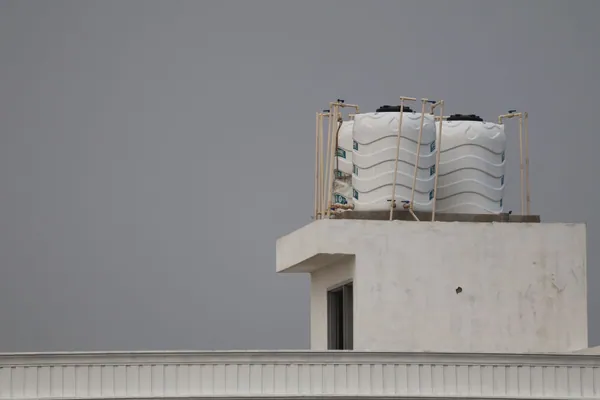
Draining Al Rawabi tanks requires safe disposal without running black oily water over other apartment blocks, so we manage drainage carefully and collect runoff.
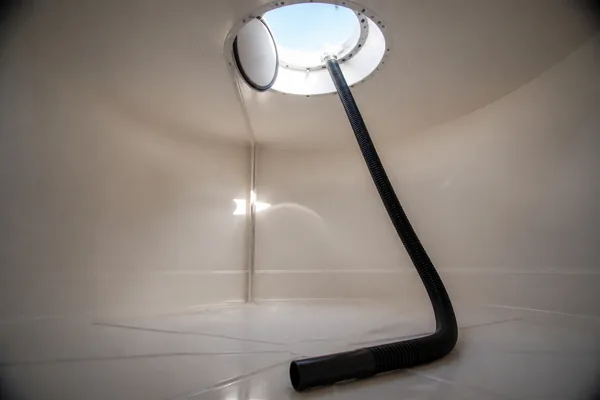
Sediment removal from the floor is difficult here because dark oily deposits are thick and matted; we work with two people using force and care to remove all of it.
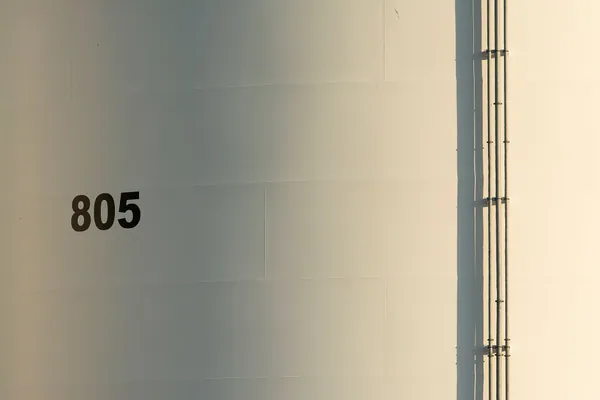
Scrubbing the walls takes considerable time because grease and diesel are rooted deep, and we use strong approved scrubbing compound that is safe for all tank types.
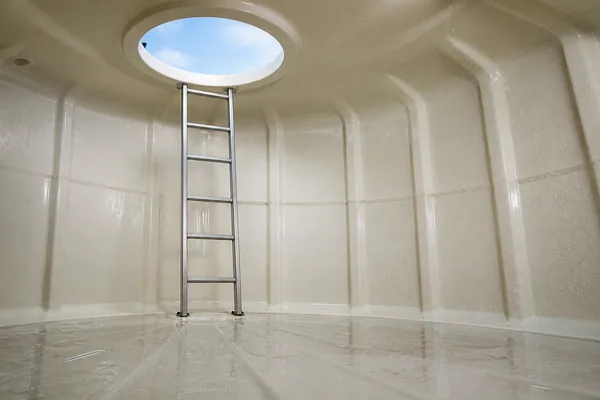
Strong disinfection is essential here because the oily environment and high humidity together support diverse bacteria and fungi, so we use certified disinfectant approved for drinking water.
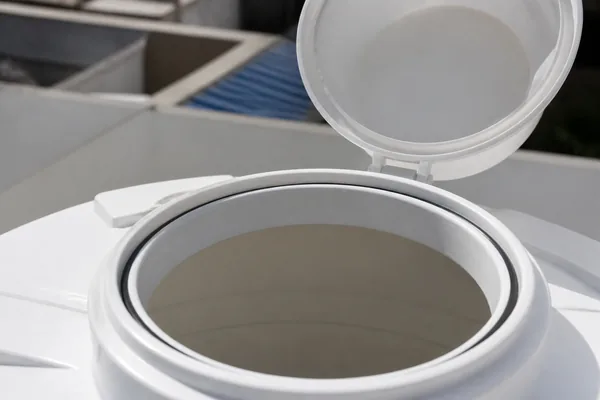
The final rinse takes a very long time because we must ensure no soot residue, no oily smell and no diesel taste remains before we hand the tank over clean.
The supply into the tank is shut and the tank is drained completely.
The sludge on the floor is scooped and pumped out first.
The biofilm on the walls is physically scrubbed off.
With the walls and floor clean, a disinfectant made for drinking-water storage is applied and given time to act on every surface.
The disinfectant and any loosened residue are rinsed down and pumped out, so the first tank of water after us is not carrying it.
We check the cover seal and inlet before refilling, so dust and insects stay out, then start the refill while you watch it run clear.
Old Makkah Road and Bin Laden Park mark the district boundaries clearly, and when we schedule your appointment we refer to these landmarks to guide the team quickly to the exact address in this densely populated area.
Pumps to clear sludge, scrubbing to remove biofilm, and disinfectant meant for potable storage.
We send a team, not one person, so a tank is drained, cleaned, disinfected and refilled in a single visit rather than left open for days.
We look at the lid seal and inlet, because a tank that got dirty fast usually has a way in.
Nothing is closed until the tank is refilling and you have seen the water run clean.
Photographs from real jobs carried out by the crew.












The commitment is simple enough to actually keep: we do not leave until the tank is disinfected, refilling, and you have seen it for yourself.
South Jeddah runs from the port and the industrial city down towards Al Khumrah, and homes here sit between the sea and the heavy goods roads. The dust is darker and oilier than in the north, a mix of diesel soot and workshop grit, and it clings to net curtains, window sills and the tops of kitchen cupboards. Floors in the older low rise housing are often plain cement or ceramic tile that darkens where soot is walked in. Humidity from the coast adds mildew in bathrooms and a musty smell in stored fabrics.
We provide these in Al Rawabi too, and more than one can share a single visit.



