
The right gear for drinking water
Pumps to clear sludge, scrubbing to remove biofilm, and disinfectant meant for potable storage.
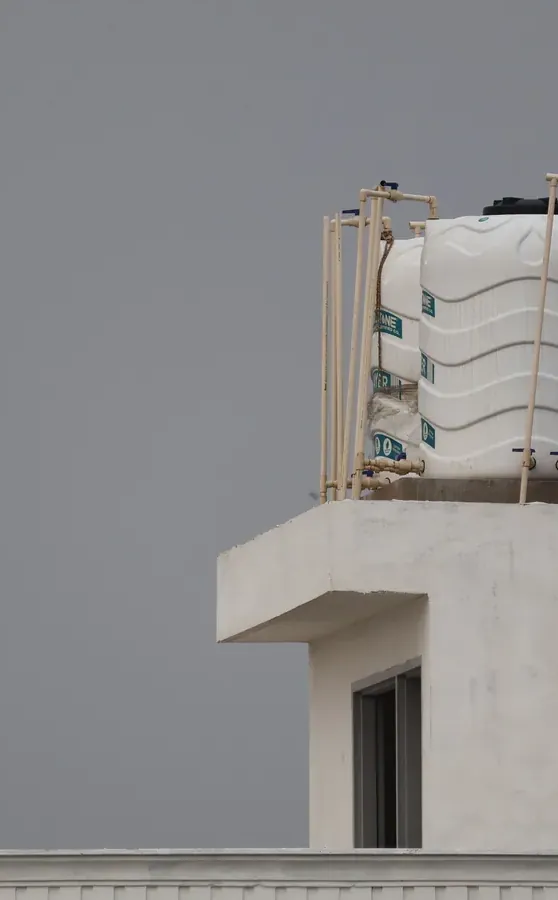
Al Baghdadiyah West is the seaward half of Baghdadiyah, situated right by Al Hamra Corniche and Arbaeen Lagoon near historic Jeddah. Old apartment buildings stand on low flat coastal ground. High humidity year round, salt-laden air and groundwater rising from the sea mean the tank corrodes unusually fast. Rust and salt taint the water, and algae thrives in the extreme coastal moisture. Cleaning becomes a battle against the environment, not just accumulated sediment.
Tanks here face extremely high coastal humidity, salt and salt air year round, causing accelerated rust and rapid deterioration of both tank and piping. For the method itself, see how we approach water tank cleaning.
Al Baghdadiyah West sits on the sea and air is moisture and salt saturated year round. Metal tanks rust inside and out at double or triple the inland rate. Algae grows unusually fast in extreme coastal moisture. Disinfection must be much stronger and far more frequent because coastal humidity continuously reintroduces contaminants.
Ground is low and close to the sea, and groundwater sits high. Underground tanks may leak from the sides because surrounding moisture pressure is constant. Careful inspection for leaks is essential, and tank replacement may be necessary if seepage is severe.
Salt travels on air and moisture into the tank. Water may taste faintly salty. Salt speeds corrosion of metal inside the tank and pipes. Cleaning reduces excess salt but a salt filter on the mains line may be needed long term because salt is an environmental constant, not a removable fault.
The seaward half of Baghdadiyah between Madinah Road and Port Bridge Road, fronting Arbaeen Lagoon and close to Al Hamra Corniche and historic Jeddah. Low flat coastal ground with apartment buildings from the mid twentieth century.
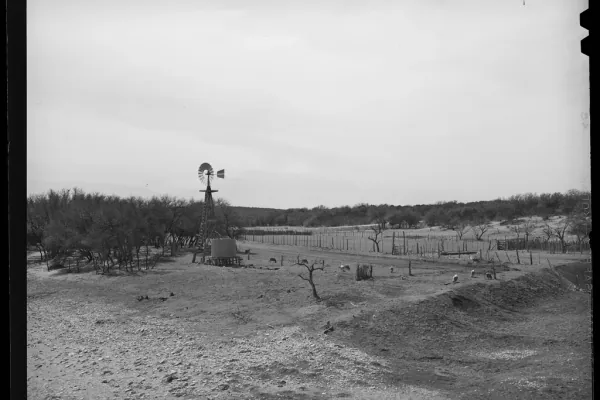
Tank inspection in Al Baghdadiyah West must focus on rust staining and checking for leaks caused by high groundwater and coastal moisture pressure.
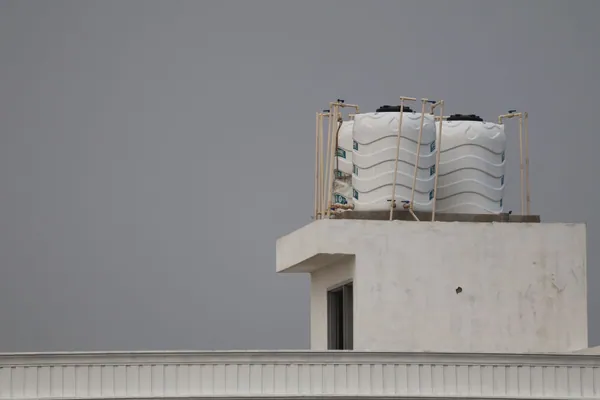
Full drainage is essential and heavy rust scrubbing may be needed more here than in any other area.
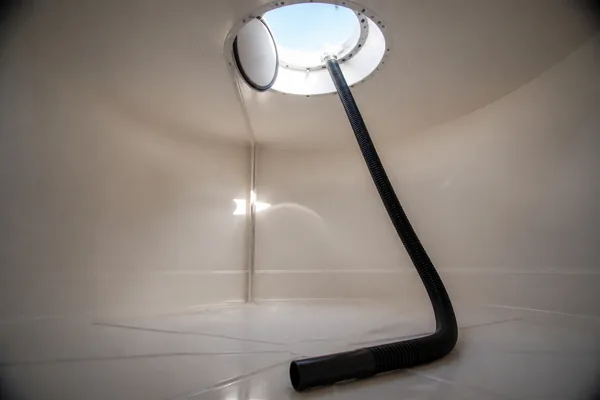
Sediment here is heavy metal oxides from rapid rust and salt particles from the marine air.
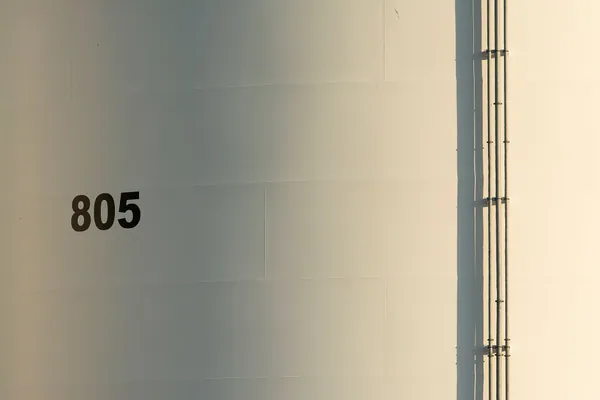
Vigorous scrubbing is needed to remove heavy rust deposits that cling to walls hardest in old tanks.
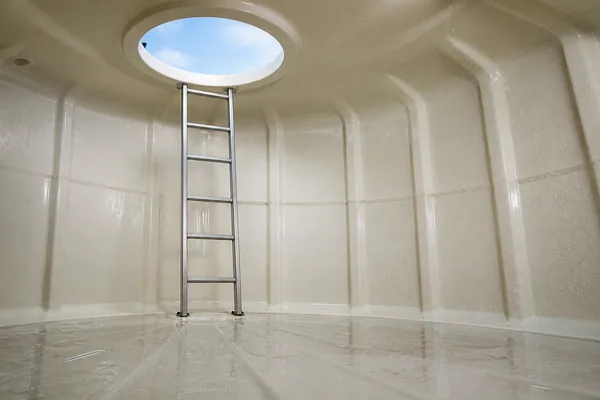
Disinfection must be very strong and very frequent to fight algae that thrives in extreme coastal humidity and salt.
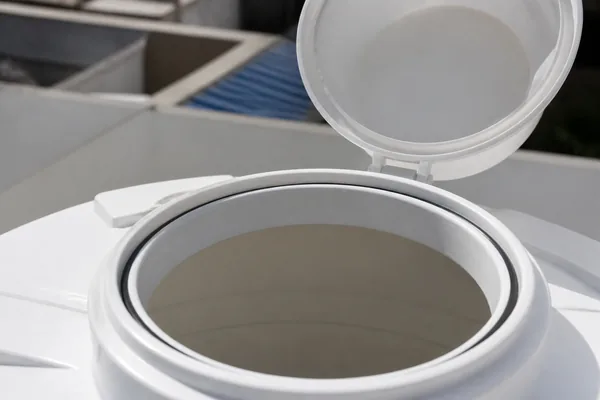
Leak inspection must be thorough because high groundwater and low coastal ground mean seepage risk is always present.
The supply into the tank is shut and the tank is drained completely.
The sludge on the floor is scooped and pumped out first.
The biofilm on the walls is physically scrubbed off.
With the walls and floor clean, a disinfectant made for drinking-water storage is applied and given time to act on every surface.
The disinfectant and any loosened residue are rinsed down and pumped out, so the first tank of water after us is not carrying it.
We check the cover seal and inlet before refilling, so dust and insects stay out, then start the refill while you watch it run clear.
Coastal area: high humidity and salt air through the year
Coastal means the tank faces high humidity, salt air and sea moisture year round. Rust advances rapidly, algae grows relentlessly, and salt enters the water continuously. Cleaning must be far more frequent and disinfection far stronger than inland standards.
Pumps to clear sludge, scrubbing to remove biofilm, and disinfectant meant for potable storage.
We send a team, not one person, so a tank is drained, cleaned, disinfected and refilled in a single visit rather than left open for days.
We look at the lid seal and inlet, because a tank that got dirty fast usually has a way in.
Nothing is closed until the tank is refilling and you have seen the water run clean.
Photographs from real jobs carried out by the crew.












The commitment is simple enough to actually keep: we do not leave until the tank is disinfected, refilling, and you have seen it for yourself.
Al Baghdadiyah West sits near Arbaeen Lagoon and Al Hamra Corniche, major coastal landmarks of the district. The tank usually sits on the roof of one of the old apartment buildings near these waterfront features, accessed via Madinah Road or Port Bridge Road running alongside.
We provide these in Al Baghdadiyah West too, and more than one can share a single visit.



