
We test before we treat
Reading the water first isn't optional to us.
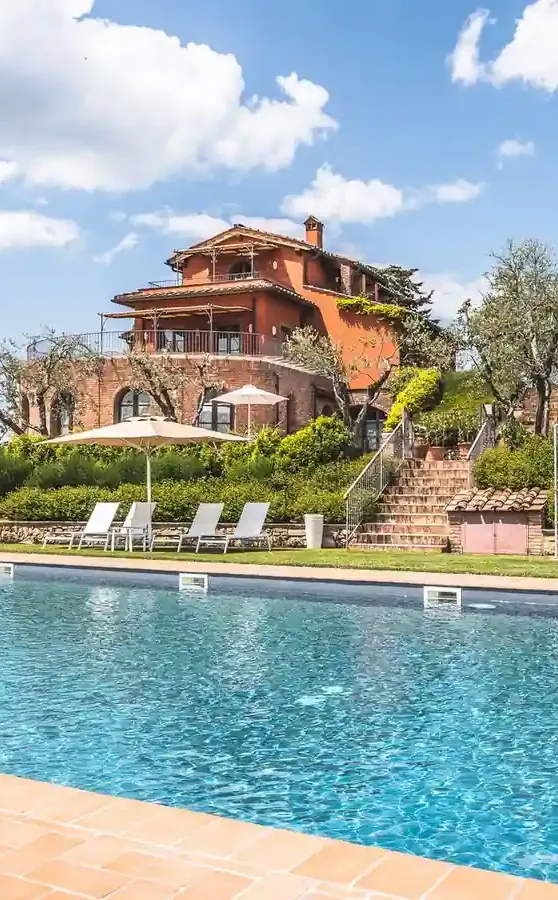
Al Barakah is a newly developing residential subdivision in south Jeddah, divided by Al Lith Road into two sections residents describe as poorly linked. Modern villas sit on newly subdivided plots next to open land and active construction, and the dust here is darker and oilier than in northern Jeddah: a mix of diesel soot and workshop grit that sticks to every surface and clogs filters fast.
Coastal humidity here is high, and pool water and filter components show metal corrosion marks noticeably faster than pools in districts further from the sea and shipping routes. For the method itself, see our guide to swimming pool cleaning.
Al Barakah is close to lorry routes and storage yards, and the dust here is not just sand: it carries diesel soot and fine workshop particles laden with oil. These particles neither float nor settle cleanly but adhere to pool walls and leave a black line at the waterline that brushing alone won't remove.
In the new subdivision, excavation and fresh concrete release cement and stone particles into the air. When wind blows from the building sites, the pool fills with this debris in minutes, and the filter clogs because cement particles are heavier and denser than sand or ordinary dust.
Al Barakah sits between the sea and the roads, so salt and moisture reach the pool equipment. Filter metals and copper pipework rust rapidly, and water may turn faintly green or brown if rust accumulation is not caught and stopped early.
A new subdivision in south Jeddah between the sea and heavy goods routes, with darker oily dust, active building work, and high ambient moisture that accelerates algae growth and filter clogging.

Water must be tested first to confirm that soot and cement dust from nearby building work have not already contaminated the supply before any chemical treatment is added.
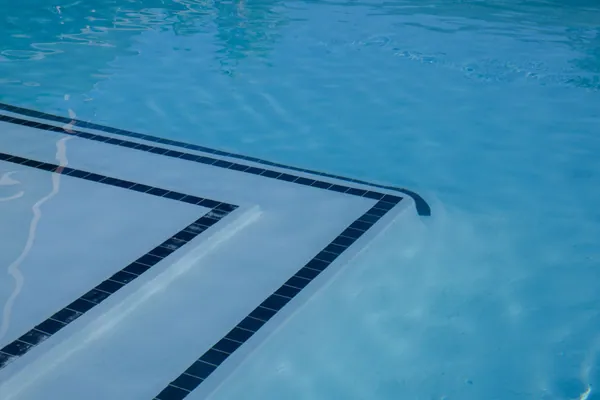
Walls and floor accumulate diesel soot and cement sediment requiring deeper and more frequent scrubbing than pools in districts far from heavy roads and construction sites.
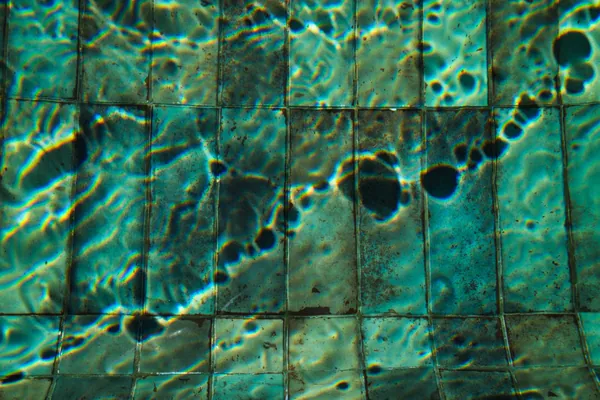
Daily vacuuming is essential because heavy cement and diesel particles sink fast and accumulate on the floor in a dense layer that hardens if left untreated.
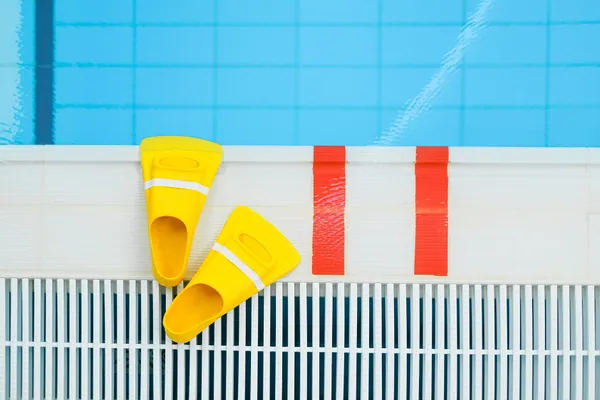
Skimmer baskets fill rapidly with soot and cement grit, and need thorough manual cleaning with water and brush, not just basket emptying and refitting.
Filter backwashing may need repeating every three days during construction season, because heavy particles clog the medium faster than plain sand and dust would in a quiet area.
Chemical balance must be reset carefully, because soot, salt and cement all affect pH and alkalinity together, not chlorine alone, and each demands precise measurement.
pH, sanitiser and hardness are read at the start.
Floating leaves and debris come off before we brush.
Algae and the oily waterline film cling to the surfaces.
Silt settles in the deep end and the corners the return jets never reach.
The skimmer and pump baskets are cleared and the filter checked or backwashed.
With the water clean, we balance and dose, then walk the pool with you before leaving.
Al Barakah is divided by Al Lith Road into two sections, and the Ring Road and new streets surround the subdivision. Pools near Al Lith Road face heavier lorry dust exposure, while villas in the subdivision heart need attention to cement particles from excavation and ongoing building works.
Reading the water first isn't optional to us.
The company runs a large crew, and we send a team rather than one person.
Pumps, vacuum heads and the test kit come with the team.
If the pump or the plumbing is the real problem, we tell you.
Photographs from real jobs carried out by the crew.












The commitment is simple enough to actually keep: we don't leave until you've seen the result and had your say on it.
South Jeddah runs from the port and the industrial city down towards Al Khumrah, and homes here sit between the sea and the heavy goods roads. The dust is darker and oilier than in the north, a mix of diesel soot and workshop grit, and it clings to net curtains, window sills and the tops of kitchen cupboards. Floors in the older low rise housing are often plain cement or ceramic tile that darkens where soot is walked in. Humidity from the coast adds mildew in bathrooms and a musty smell in stored fabrics.
We provide these in Al Barakah too, and more than one can share a single visit.



