
We test before we treat
Reading the water first isn't optional to us.
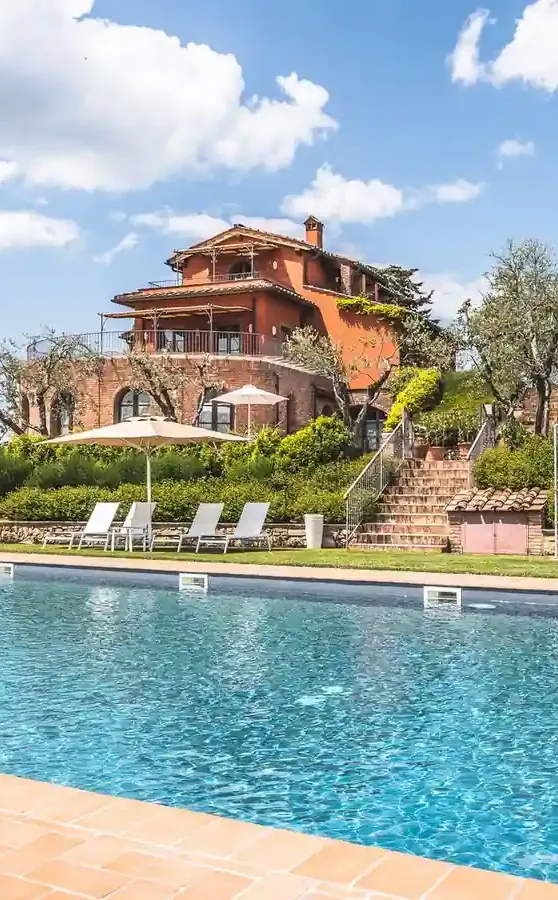
Abhur South sits on the gulf shore where villas and chalets face open water and salt air all year. The airborne salt changes how chlorine works and how fast the water destabilises, and the constant humidity here is twice what inland Jeddah sees. Pools here accumulate salt faster than they lose it, shifting the whole chemical system.
Humidity reaches 80 percent by summer and the salt is visible on glass within hours. Salt enters the water through airborne spray and wind drift, not just from the nearby beach itself but from the sea air circulation pattern. For the method itself, see the full swimming pool cleaning page.
Salt spray reaches the courtyard, windows and paving, and rain water or foot traffic washes it into the pool. This steadily raises the total dissolved solids in the water, which disrupts chlorine efficiency and the pH buffer system.
Air saturated at 80 percent humidity makes photosynthesis so easy for algae that a film forms on walls in days. Chlorine demand shoots up in these conditions, and residual chlorine drops fast no matter how much is added.
Sea salt rusts steel filter media and copper piping much faster than inland areas see. Filter housings and pump seals may need replacement or repair cycles twice as often, and corrosion particles sometimes cloud the water.
A coastal waterfront district on the southern shore of Obhur Creek, with chalets, rest houses and resorts fronting the South Obhur corniche, and new villa and apartment projects filling the land behind.

Water testing must include total salt and dissolved solids, not only chlorine and pH as inland areas measure, because salt is a constant inlet here.
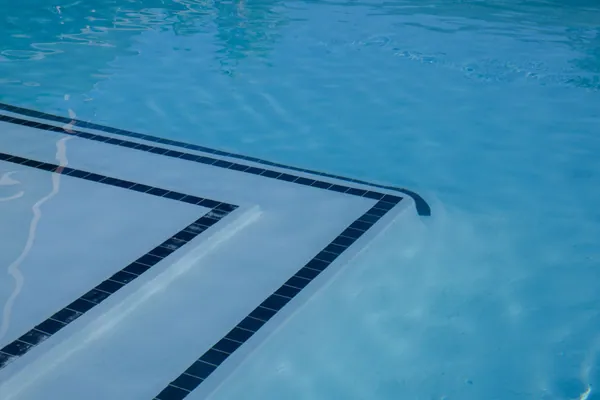
Pool walls need brushing more often because humidity speeds algae growth and salt leaves white deposits at the waterline that harden fast.
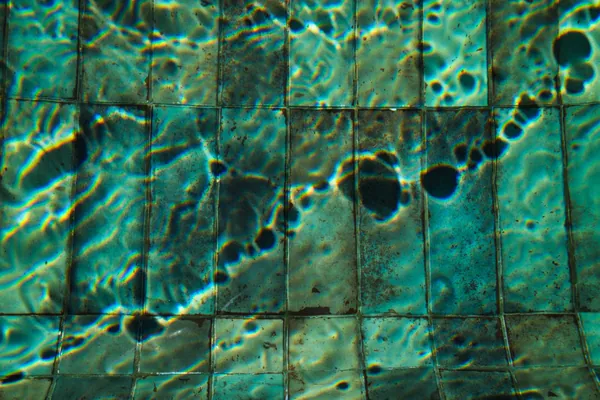
The floor collects fine coastal sand and salt residue blown by sea winds, so vacuuming is essential weekly to keep the base clear.
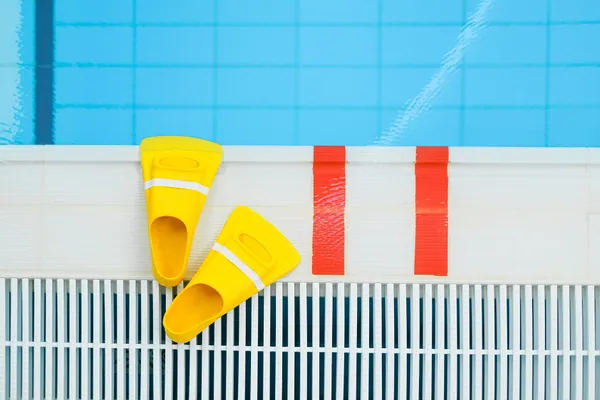
Skimmer baskets clog quicker here because salt and moisture make airborne dust stick harder and collect faster than inland.

Backwash alone may not be enough; monthly deep filter cleaning is often needed because salt deposits pack the media and regular water reversal cannot clear it fully.
Chemical balance shifts rapidly due to salt influx and high humidity, so testing and adjustment may be needed every three days or after rain.
pH, sanitiser and hardness are read at the start.
Floating leaves and debris come off before we brush.
Algae and the oily waterline film cling to the surfaces.
Silt settles in the deep end and the corners the return jets never reach.
The skimmer and pump baskets are cleared and the filter checked or backwashed.
With the water clean, we balance and dose, then walk the pool with you before leaving.
Reading the water first isn't optional to us.
The company runs a large crew, and we send a team rather than one person.
Pumps, vacuum heads and the test kit come with the team.
If the pump or the plumbing is the real problem, we tell you.
Photographs from real jobs carried out by the crew.












The commitment is simple enough to actually keep: we don't leave until you've seen the result and had your say on it.
Abhur South is bounded by Obhur Creek on the eastern side and the South Obhur Corniche on the waterfront, both serving as reference points for reaching pools throughout the district. Access runs via King Abdulaziz Road and Madinah Road, which form the northern and southern boundaries.
We provide these in Abhur South too, and more than one can share a single visit.



