
We work empty homes daily
An empty home is a different job from a lived-in one, it exposes everything and lets us reach it.
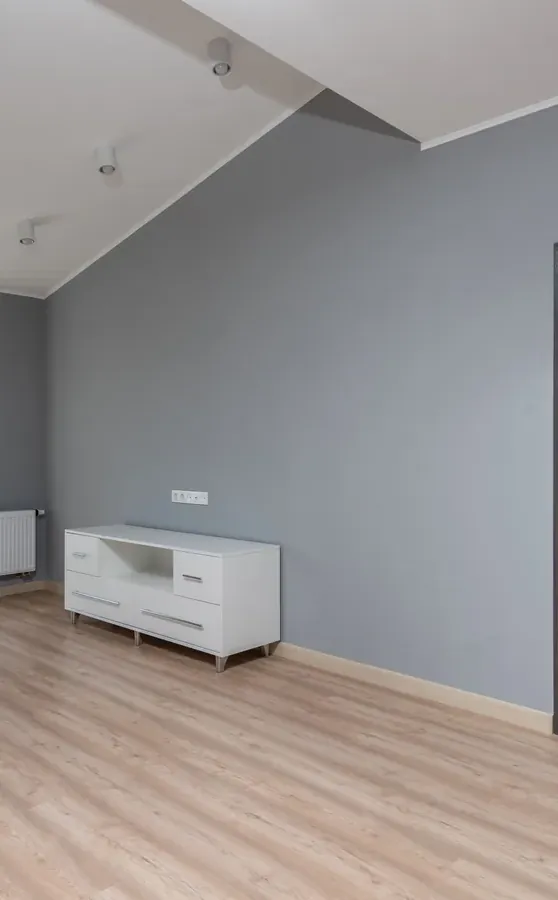
Kilo 14 is an industrial zone on the Old Makkah Road where vehicle repair shops and storage sit directly alongside homes, and the dust here is darker and greasier than elsewhere: diesel soot mixed with metal particles that cling to everything. The empty home is your chance to reach what furniture will later hide.
Sheer curtains and window sills here collect far more soot than any other district, and coastal humidity causes mildew to form quickly in bathrooms and stored fabrics without proper early cleaning. For the method itself, see the full move-in and move-out cleaning page.
The dust here is not ordinary sand but an oily mix from the workshops and roads below. It clings hard to curtains, the tops of cabinets, and window edges and will not shift with water alone. Cleaning the empty home gives you access to every surface without furniture in the way, which is when the deep work happens.
Floors in homes here are typically plain cement or ceramic tile that becomes stained with oily soot and grit. Cleaning an empty space lets the team work on every particle without obstacles, and this is the difference between a genuinely clean surface and one that merely looks clean from a distance.
The sea is close, and moisture enters bathrooms and settles into stored fabrics quickly. Cleaning before furniture arrives includes full drying and ventilation, something that is impossible to achieve once the home is full of curtains and belongings filling the air.
Homes sit between the heavy goods routes and the sea, and soot penetrates every crack and corner. Floors are often plain cement or ceramic tile that turns dark where oily grit is walked in repeatedly.
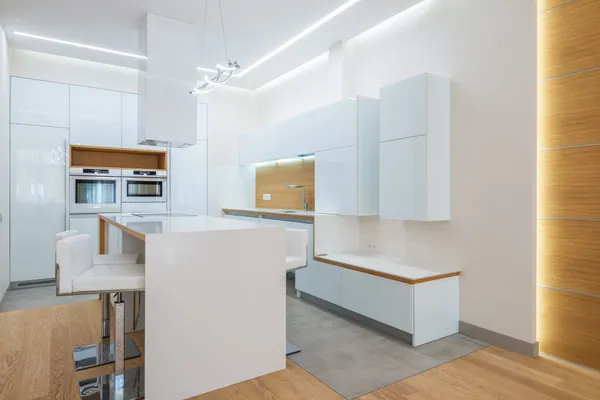
Cabinets here accumulate particles of oil and soot on shelves and inner corners, and need complete interior cleaning before you store anything new in them.
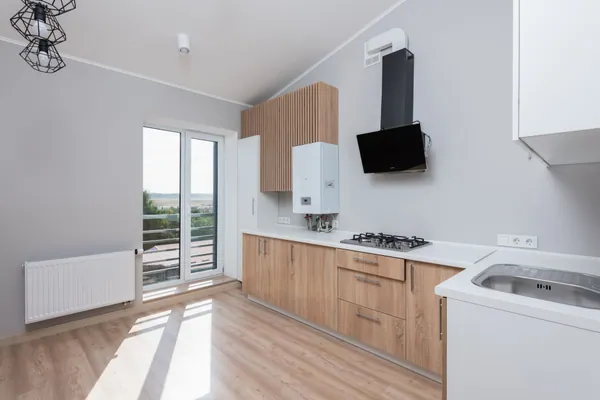
The kitchen needs special care: all surfaces carry thin layers of grease and light oil drift from the neighbouring workshops, and gaps around appliances are deep and hard to reach.
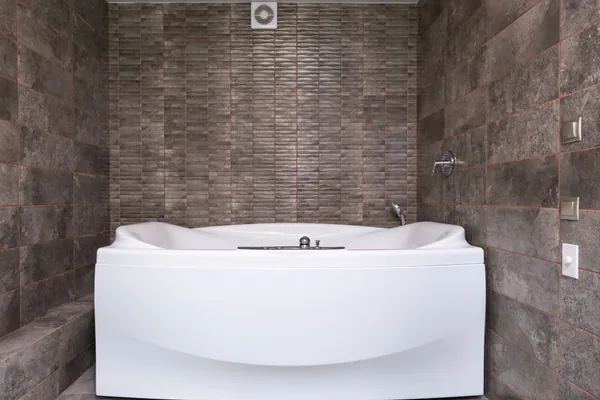
The bathroom suffers from coastal humidity and mineral deposits build up quickly here. Cleaning it now stops mildew and odours from worsening and returning.
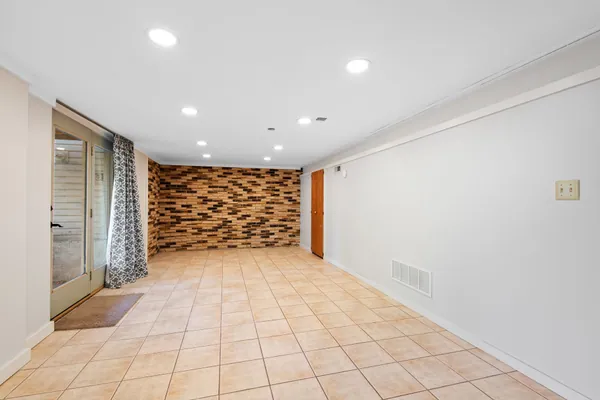
Cement and darkened ceramic floors need deep work: oil marks need targeted treatment before furniture load goes down and hides them for years.
Windows, sills and tracks are heavy with fine soot particles that return fast if not cleaned properly, and gutters need the buildup cleared or water damage follows.
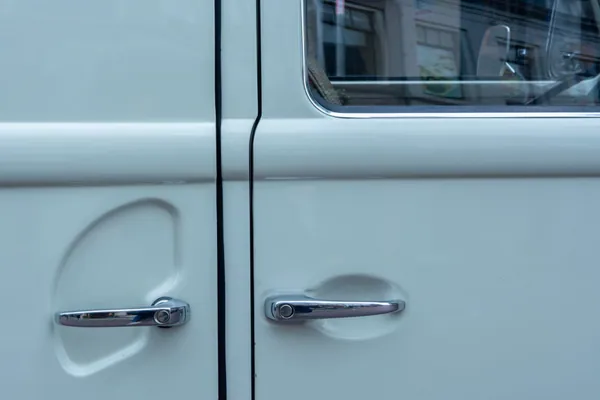
Doors, light switches and fittings collect stuck soot and need careful wiping, an essential part of a genuinely clean home at handover.
We go room to room, note the condition, and agree what's dirt to clean versus damage to report.
Ceiling corners, vents, light fixtures, tops of cabinets and doors, dusted before any water touches a surface, so we're not turning that dust into streaks lower down.
Empty is the moment.
Degrease the counters and fronts, then clean the walls and floor where the stove and fridge stood.
Scale on glass and taps and the grout between tiles is broken down, not just wiped over.
Floors come last, after the dust above has settled and been cleared.
Industrial area: workshops, warehouses and loading yards
An industrial area means dirt runs deeper and harder here: soot, oils and metal dust, not just marks that water lifts. The team needs to understand every surface type and how to strip this mixture away safely without harming new furnishings.
An empty home is a different job from a lived-in one, it exposes everything and lets us reach it.
We send a team, not one person.
Degreasers, descalers and machines arrive with the team.
At the walk-through we tell you plainly what's cleaned and what's wear the clean can't fix, so you're not surprised at your own handover.
Photographs from real jobs carried out by the crew.












The commitment is simple enough to actually keep: we don't leave until you've walked the property and told us what you think.
South Jeddah runs from the port and the industrial city down towards Al Khumrah, and homes here sit between the sea and the heavy goods roads. The dust is darker and oilier than in the north, a mix of diesel soot and workshop grit, and it clings to net curtains, window sills and the tops of kitchen cupboards. Floors in the older low rise housing are often plain cement or ceramic tile that darkens where soot is walked in. Humidity from the coast adds mildew in bathrooms and a musty smell in stored fabrics.
We provide these in Kilo 14 too, and more than one can share a single visit.



