
We work empty homes daily
An empty home is a different job from a lived-in one, it exposes everything and lets us reach it.
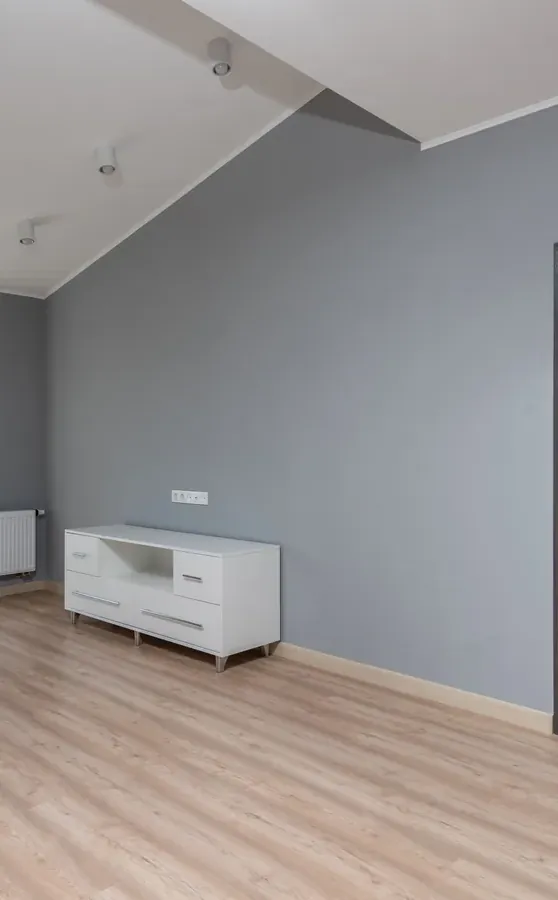
Al Mahjar is a south Jeddah district beside the coast, port and refinery, and cleaning here differs fundamentally from every other district. Homes sit between the sea on one side and heavy vehicle routes and industry on the other. The dust is not sand but a mix of diesel soot, oil residue and metal particles from workshops. Old cement floors darken quickly, and coastal humidity adds mildew to bathrooms and stored fabrics. This clean requires specialist understanding.
Dust here is darker and more oily than any other district in Jeddah, and clings to curtains, windows and kitchen cupboard tops with greater force than ordinary dust. For the method itself, see our move-in and move-out cleaning service in detail.
Al Mahjar sits beside heavy truck routes and the refinery, and dust here is not sand but a blend of diesel soot, oil residue and metal particles from workshops. This mixture clings to sheer curtains and window sills and kitchen cupboard tops with far greater force than ordinary dust.
Old homes here have plain cement or basic ceramic floors, and soot settles into the cement matrix and darkens floors rapidly. Stains may not lift without intensive cleaning and may need re-finishing.
Sea humidity on one side and refinery air pollution on the other. Bathrooms suffer black mould, and stored fabrics in cupboards develop mould smell and mustiness that does not lift easily.
Al Mahjar sits south of Al Waziriyah toward the coast, crossed by King Faisal Road and Al Mahjar Street. The location between the sea and the refinery and port means very high air pollution and oily dust. Humidity from the coast leaves mould marks on walls, ceilings and stored textiles.
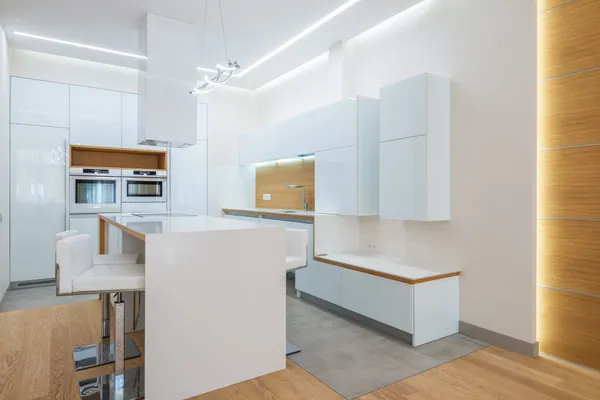
Cupboards here may have soot residue on interior shelves, and cleaning must be intensive to lift grease.
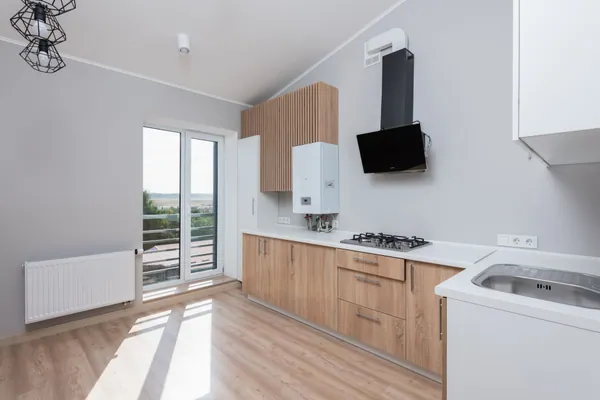
Kitchens need specialist cleaning to remove grease marks built up on walls, ceiling and appliances.
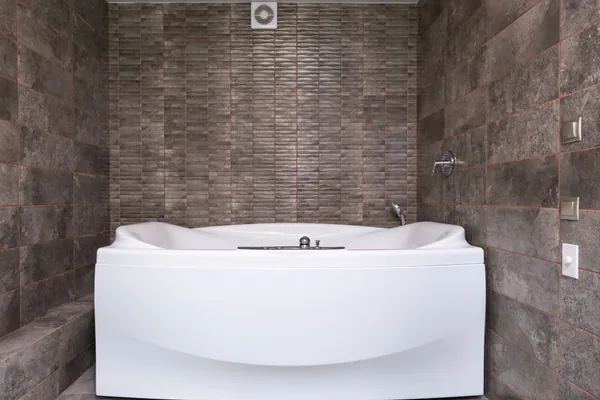
Bathrooms face black mould and heavy deposits, with cleaning focused on drains and damp corners.
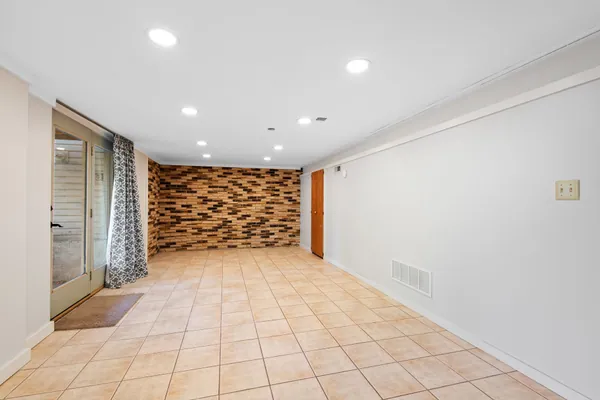
Floors are old and soot is embedded deep, needing repeated cleaning and patience to lift stains.
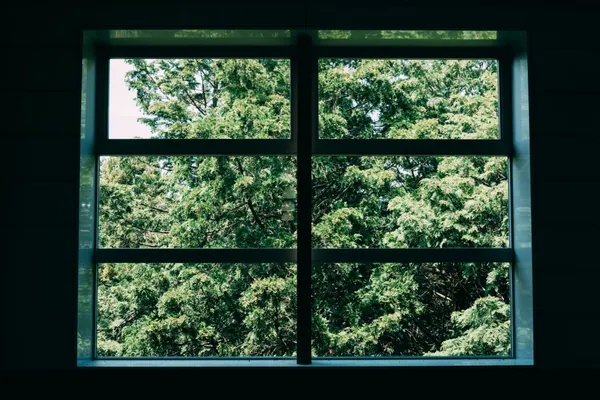
Windows and tracks: soot and grease cling to glass and metal rapidly.
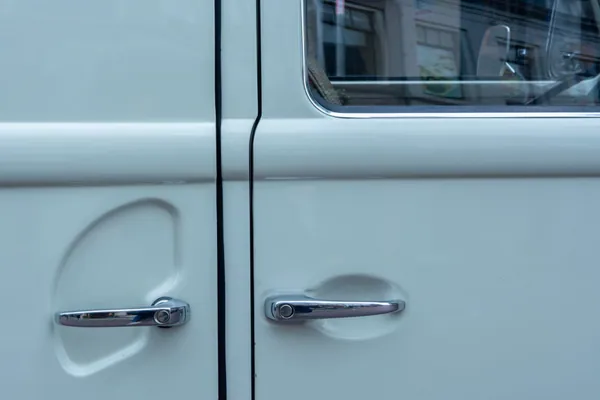
Doors, switches and fittings may need intensive cleaning as grease deposits form on metal.
We go room to room, note the condition, and agree what's dirt to clean versus damage to report.
Ceiling corners, vents, light fixtures, tops of cabinets and doors, dusted before any water touches a surface, so we're not turning that dust into streaks lower down.
Empty is the moment.
Degrease the counters and fronts, then clean the walls and floor where the stove and fridge stood.
Scale on glass and taps and the grout between tiles is broken down, not just wiped over.
Floors come last, after the dust above has settled and been cleared.
An empty home is a different job from a lived-in one, it exposes everything and lets us reach it.
We send a team, not one person.
Degreasers, descalers and machines arrive with the team.
At the walk-through we tell you plainly what's cleaned and what's wear the clean can't fix, so you're not surprised at your own handover.
Photographs from real jobs carried out by the crew.












The commitment is simple enough to actually keep: we don't leave until you've walked the property and told us what you think.
South Jeddah runs from the port and the industrial city down towards Al Khumrah, and homes here sit between the sea and the heavy goods roads. The dust is darker and oilier than in the north, a mix of diesel soot and workshop grit, and it clings to net curtains, window sills and the tops of kitchen cupboards. Floors in the older low rise housing are often plain cement or ceramic tile that darkens where soot is walked in. Humidity from the coast adds mildew in bathrooms and a musty smell in stored fabrics.
We provide these in Al Mahjar too, and more than one can share a single visit.



