
We test before we clean
Testing the solution on a hidden edge is a step we treat as necessary, not optional.

Wadi Mareekh is a new development district with ongoing construction and an oily dust from heavy goods trucks and nearby workshops. Mattresses here absorb diesel soot and fine grit that ordinary vacuuming cannot remove, losing softness and picking up the musty smell that comes with coastal humidity. Deep cleaning must reach the layers where this oily residue settles.
Cement and ceramic floors darken where soot is walked daily. Mattresses show the same deep accumulation because they sit in the path of construction dust and workshop grit. For the method itself, see the full mattress cleaning page.
Diesel soot and workshop grit from the trucks and nearby facilities do not stay on the surface. They work into the fabric and mid-layers over weeks. Ordinary vacuuming lifts only the top. Deep cleaning must reach where these fine oily particles have gathered, breaking the bond between dust and fibre.
Proximity to the sea and the low-lying ground mean high moisture. Bathrooms near bedrooms add humidity. Mattresses absorb this and become an ideal breeding ground for mould and the musty smell that clings to the fabric.
Building work means ongoing dust from the site and moisture from new concrete and damp soil. These are not fresh marks but layers of residue from construction months, requiring targeted treatment for the mattress type rather than generic cleaning.
The area sits between King Abdullah Road, the port and the industrial city. The oily dust clings to net curtains, window edges and the deep fibres of mattress fabric.

Mattresses in the new development mix villas with flats and buildings under construction. Fabric ranges from cotton to synthetic blends, and each type needs separate inspection before work begins.
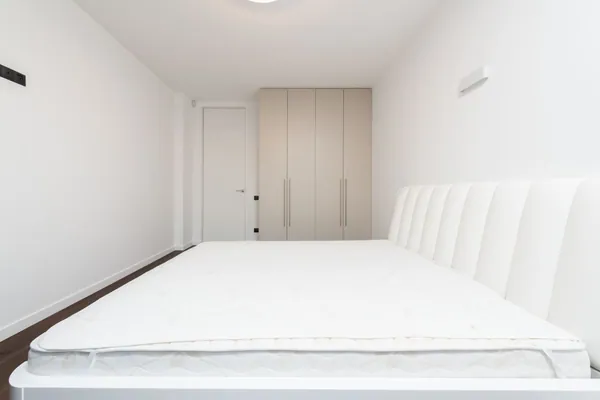
The oily dust entering from construction requires deep dry vacuum that reaches inner fibres where diesel soot bonds to the material, not quick surface-level vacuuming.

Stains here mix moisture marks with oil and soot stains. Each type needs its own treatment to lift completely without leaving a residue or ring.
Deep cleaning must cover both sides, edges and the perimeter seams because oily dust seeps into edges and hides there, returning odour if left untouched.

Wet extraction must be precise in a humid environment like this one, because even small amounts of leftover water attract mould within hours in this coastal air.

Sanitising, airing and precise humidity control are essential before we leave, because coastal moisture and nearby construction continuously return humidity to the mattress.
A quilted cotton cover, a knitted stretch cover and a synthetic surface do not take the same heat or solution.
Before any water.
A sweat stain is worked differently from a spilled drink or a child's accident.
We loosen what has bonded inside the fibres, by the method that suits the mattress, and lift the residue to the surface, worked across the top, the sides and the underside in turn.
The loosened dirt and water are pulled back out in the same pass.
We go over the mattress with you before the team leaves.
New development: ongoing construction and vacant plots between the homes
Ongoing construction and vacant plots mean continuous dust and shifting moisture levels as the new foundations settle. Mattresses need planned, regular cleaning rather than one-off attention, and very precise drying because new concrete tends to raise seasonal humidity.
Testing the solution on a hidden edge is a step we treat as necessary, not optional.
We send a team, not a single worker.
The cleaning and wet-extraction machines come with the team.
If what you have is a bed-bug problem rather than a dirty mattress, we say so.
Photographs from real jobs carried out by the crew.












The commitment is simple enough to actually keep: we do not leave before you have seen the result and told us what you think of it.
South Jeddah runs from the port and the industrial city down towards Al Khumrah, and homes here sit between the sea and the heavy goods roads. The dust is darker and oilier than in the north, a mix of diesel soot and workshop grit, and it clings to net curtains, window sills and the tops of kitchen cupboards. Floors in the older low rise housing are often plain cement or ceramic tile that darkens where soot is walked in. Humidity from the coast adds mildew in bathrooms and a musty smell in stored fabrics.
We provide these in Wadi Mareekh too, and more than one can share a single visit.



