
We test before we clean
Testing the solution on a hidden edge is a step we treat as necessary, not optional.

Kilo 14 is a mixed area on the Old Makkah Road at the far southeastern edge of Jeddah, combining car repair workshops and spare parts shops in a modern industrial complex with a dense informal residential quarter housing migrant labourers. Mattresses in this district absorb diesel soot, heavy workshop greases and coastal moisture all at once, creating a perfect environment for mould and persistent odours.
Mattresses in Kilo 14 face diesel soot and car workshop greases simultaneously, mixed with fish smell and cooking grease from the popular market nearby. Drying after cleaning is difficult because coastal humidity and tight houses trap moisture. For the method itself, see what mattress cleaning involves.
Workshops release engine oils and diesel soot continuously from heavy machinery. The air is saturated with oily soot, and the mattress absorbs it rapidly. The smell becomes heavy and mineral like, deep in the foam.
The popular market beside the workshops sells fish and cooking oil and vegetables. Strong smells penetrate into the nearby homes, and the mattress absorbs this mixed odour of fish oil, cooking fats and organic decay.
Coastal humidity combined with industrial soot and grease creates a severely polluted environment. Mattresses dry with great difficulty, and mould threatens the foam quickly because humidity and dirt together encourage rapid bacterial growth.
A mixed area on the Old Makkah Road at the far southeastern edge of Jeddah with car repair workshops and spare parts shops in an industrial complex, alongside a dense informal residential quarter. The main street sees constant heavy goods traffic and powered bikes, and a popular market sells vegetables and fish.
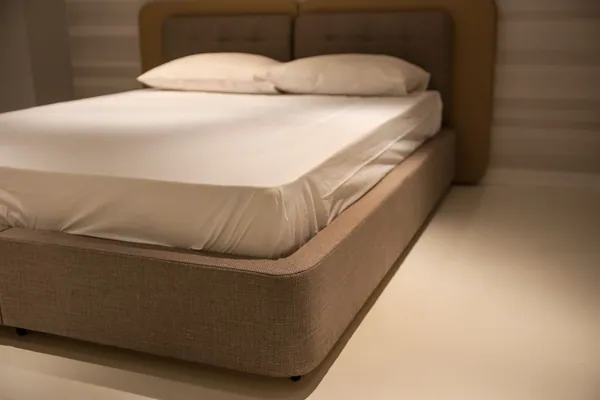
Mattresses here are heavily soiled with soot, grease and oil buildup. We identify the cover type and foam condition before any treatment that might damage weakened fabric.
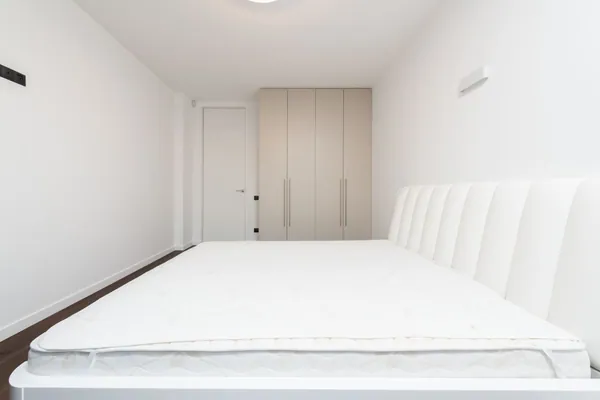
Dry suction is very strong to extract deep soot and grease, with special focus on edges and corners where oils and soot compact thickest.

Oily and sooty stains need specialist treatment to dissolve the grease before extraction. Old stains may need repeated treatment to lift them from the weave.
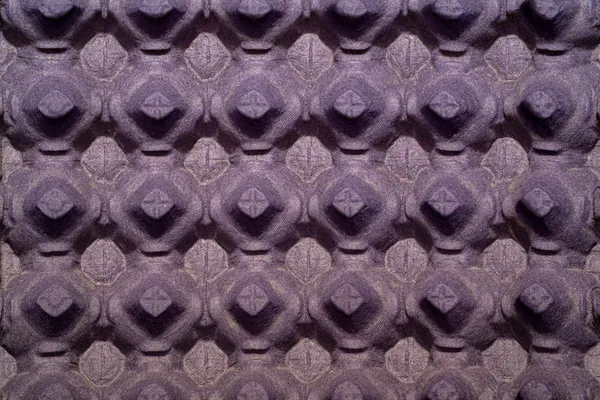
Both surfaces are cleaned gently because the fabric may be weakened by long trapped grease. We work carefully to avoid tearing the cover.
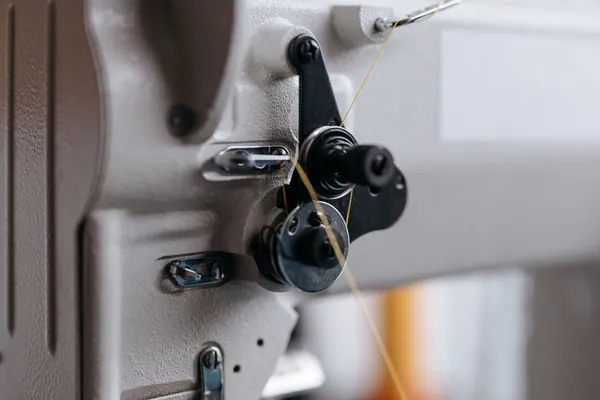
Wet extraction pulls dissolved grease and dirty water away with force, as the water will be heavily contaminated with soot and oils.

Sanitising and forced air flow are critical here to prevent mould growing rapidly in this heavily polluted environment with high humidity.
A quilted cotton cover, a knitted stretch cover and a synthetic surface do not take the same heat or solution.
Before any water.
A sweat stain is worked differently from a spilled drink or a child's accident.
We loosen what has bonded inside the fibres, by the method that suits the mattress, and lift the residue to the surface, worked across the top, the sides and the underside in turn.
The loosened dirt and water are pulled back out in the same pass.
We go over the mattress with you before the team leaves.
Industrial area: workshops, warehouses and loading yards
An industrial zone with dense informal housing means mattresses absorb multiple pollutants at once: industrial soot, heavy workshop grease, food oils and strong cooking odours. Cleaning must tackle complex layered contamination, not just surface dirt.
Testing the solution on a hidden edge is a step we treat as necessary, not optional.
We send a team, not a single worker.
The cleaning and wet-extraction machines come with the team.
If what you have is a bed-bug problem rather than a dirty mattress, we say so.
Photographs from real jobs carried out by the crew.












The commitment is simple enough to actually keep: we do not leave before you have seen the result and told us what you think of it.
South Jeddah runs from the port and the industrial city down towards Al Khumrah, and homes here sit between the sea and the heavy goods roads. The dust is darker and oilier than in the north, a mix of diesel soot and workshop grit, and it clings to net curtains, window sills and the tops of kitchen cupboards. Floors in the older low rise housing are often plain cement or ceramic tile that darkens where soot is walked in. Humidity from the coast adds mildew in bathrooms and a musty smell in stored fabrics.
We provide these in Kilo 14 too, and more than one can share a single visit.



