
We test before we clean
Testing the solution on a hidden edge is a step we treat as necessary, not optional.
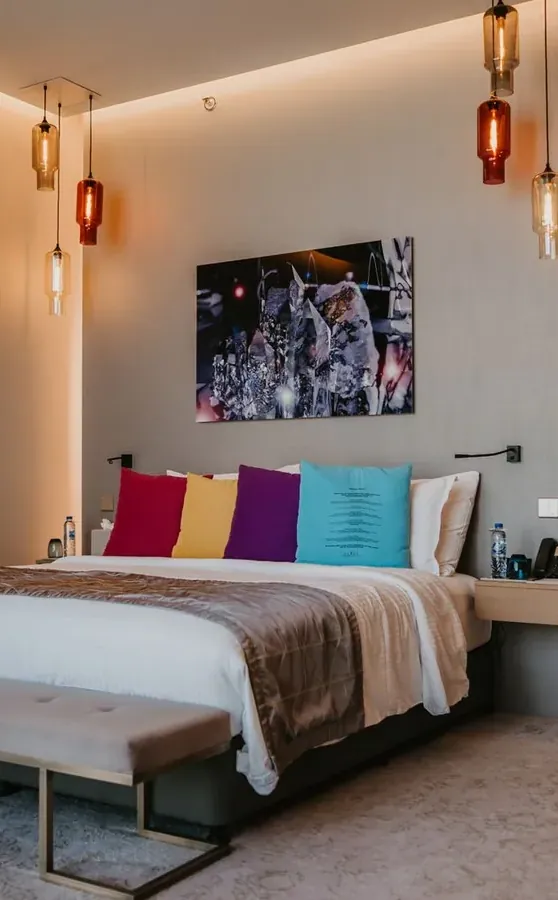
Al Budur is a mixed district with shops below and flats above, and mattresses here absorb street dust and moisture from shared air passages. Deep cleaning reaches the layers that ordinary vacuuming cannot touch, pulling out what has settled inside the foam over months.
Flats here share walls and pipework with neighbours on both sides, so humidity from one bathroom travels easily through the common walls to the mattress next door. For the method itself, see what mattress cleaning involves.
Air rising from the commercial spaces and shared corridors beneath the flats carries humidity, cooking smells and the traces of daily use. Mattresses on the first and second floors absorb this moisture far more than those higher up, and deep cleaning extracts the accumulated damp that has settled in.
The University road runs close by, and fine dust from vehicle movement enters the windows and settles on the mattress. Lower floor flats catch more dust than upper ones, and deep dry vacuuming removes what has clung to the surface and worked into the pile.
Water from the shared roof tank travels through ageing pipes, and when it spray or drips on a mattress it leaves mineral stains and yellow marks. Cleaning treats each stain by its type before vacuum extraction and drying.
The district sits close to the University of Jeddah Road and the Asfan Road, positions that bring steady vehicle traffic and the dust of fast routes directly to windows and floors.
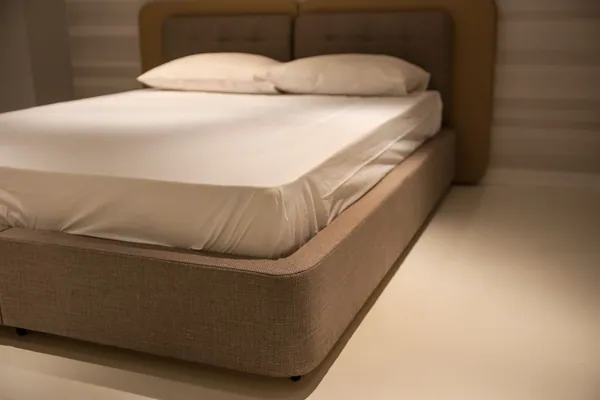
In Al Budur, tight flats mean we check the fabric and filling before starting, to ensure safe working space for the team and equipment.
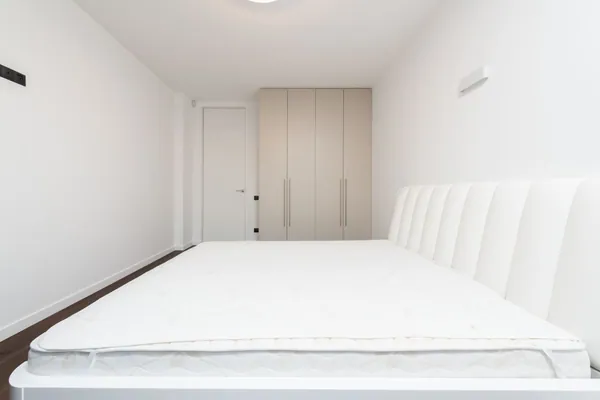
Deep dry vacuum here focuses on both faces and edges because dust enters from the street and shared corridors, not just settling from above.
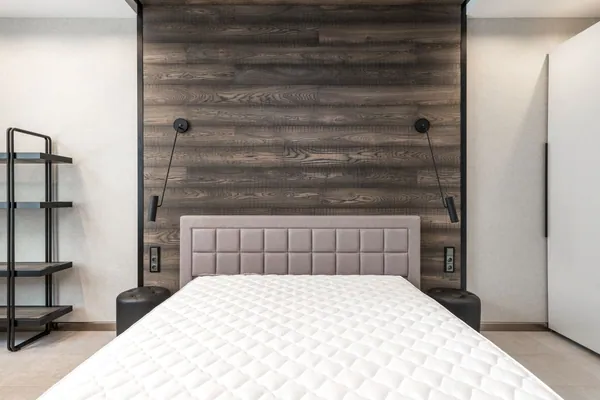
Stains from roof tank water and cooking grease from the shop below each need separate treatment before vacuum and moisture extraction.
Deep cleaning and extraction run together here: after stain treatment we vacuum both faces and sides deeply to pull water and dust from the layers.
Wet extraction is sensitive work in Al Budur because shared water sources mean the mattress may hold onto moisture, so we extract firmly and in stages.

Sanitising and controlled airing are essential because shared humidity may cause hidden mould, and proper ventilation prevents it from returning.
A quilted cotton cover, a knitted stretch cover and a synthetic surface do not take the same heat or solution.
Before any water.
A sweat stain is worked differently from a spilled drink or a child's accident.
We loosen what has bonded inside the fibres, by the method that suits the mattress, and lift the residue to the surface, worked across the top, the sides and the underside in turn.
The loosened dirt and water are pulled back out in the same pass.
We go over the mattress with you before the team leaves.
Mixed district: shops at street level with homes above them
Shops below the flats mean constant moisture and cooking odours embedded in the mattress. Deep cleaning here extracts these smells and damp from the foam layers that sitting rooms above shops accumulate.
Testing the solution on a hidden edge is a step we treat as necessary, not optional.
We send a team, not a single worker.
The cleaning and wet-extraction machines come with the team.
If what you have is a bed-bug problem rather than a dirty mattress, we say so.
Photographs from real jobs carried out by the crew.












The commitment is simple enough to actually keep: we do not leave before you have seen the result and told us what you think of it.
Al Budur sits between the University of Jeddah Road and the Asfan Road, both carrying heavy traffic that raises dust clouds. Access to the district is straightforward from either road, and work starts from the entry point closest to your flat.
We provide these in Al Budur too, and more than one can share a single visit.



