
We clean for the layer you don't see
Deep cleaning is about the tops, edges, grout and behinds, the places a routine clean is not meant to reach.
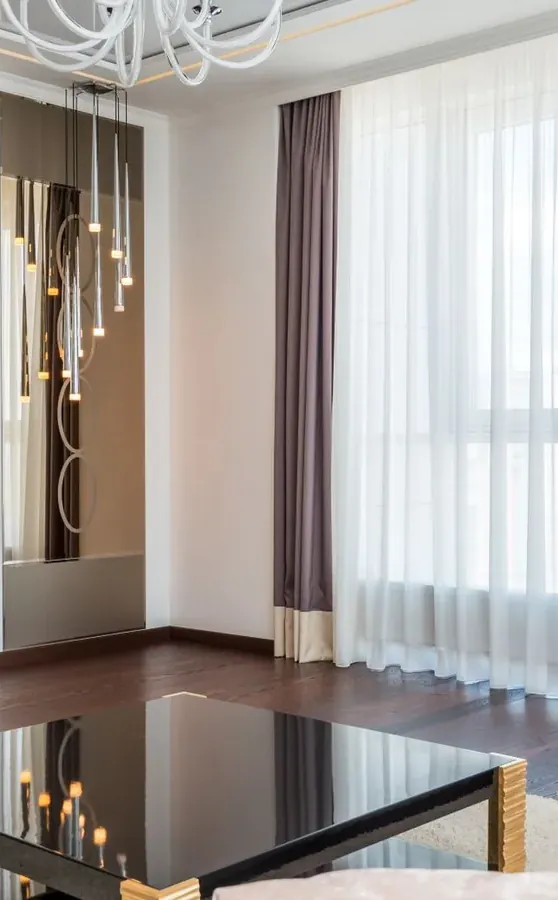
Al Asaliyah is a small locality in the outer south eastern edge of Jeddah, between the Jeddah Makkah Expressway, industrial zones and vacant land. The dust here is darker and oilier than in the north, a mixture of diesel soot from heavy goods traffic and workshop grit. This industrial dust is different from natural wind dust in that it sticks and carries odour, and it affects the home differently as it accumulates.
Diesel soot deposits on windows and curtains much faster than ordinary dust, and leaving windows open raises humidity and industrial smell together through the home. For the method itself, see how we approach deep cleaning.
The Jeddah Makkah Expressway and Al Jumum Road carry continuous heavy truck traffic. Diesel soot deposits thickly on net curtains, smooth surfaces and glass, and this soot is sticky and far harder to remove than dry dust. It leaves a visible film on every external-facing surface and discolours fabric rapidly.
Open plots around Al Asaliyah raise moisture, especially in cool seasons and after rain. This moisture mixes with diesel soot to create a very sticky, hard-to-remove layer, and causes mildew to form rapidly in bathrooms and corners far from air movement.
Maintenance workshops and factories nearby release metal particles and rust dust. These grit penetrate curtains and soft furnishings and leave brown marks that are hard to shift. The combination of soot and metal particles creates a unique accumulation layer that requires specialist attention.
A small locality in the outer south eastern part of Jeddah, combining light residential development with open land along the corridor toward Bahrah and Makkah, on the routes used by heavy vehicles.
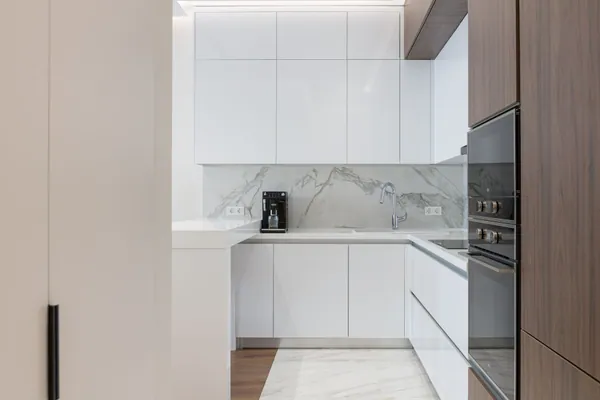
Diesel soot and spray from heavy trucks deposits on high cabinet surfaces in a sticky way that differs from ordinary dust and needs specialist treatment.
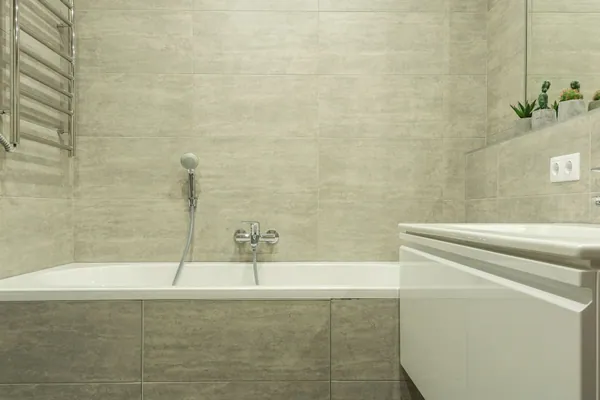
Hard water scale in the bathroom mixes with diesel soot to form dark grey layers that are very hard to remove and need strong descaling treatment.
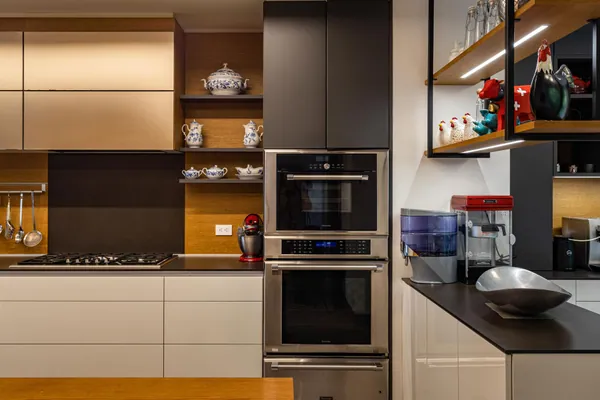
Ceilings and walls trap a sticky layer of industrial soot from the routes, different from dry dust that wipes off easily, and it stains and darkens over time.
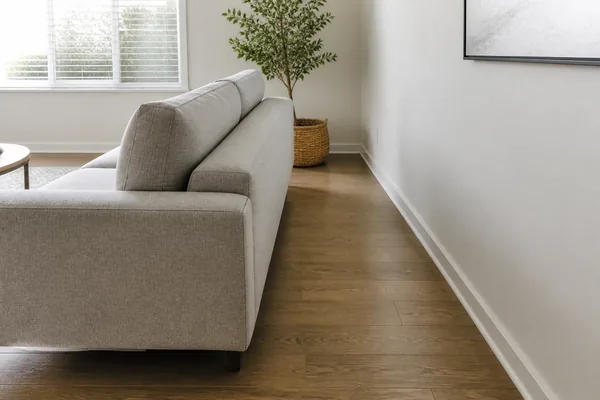
Furniture and corners collect both rust particles and soot together, and cleaning furniture alone is not enough if the surrounding area is not also treated.
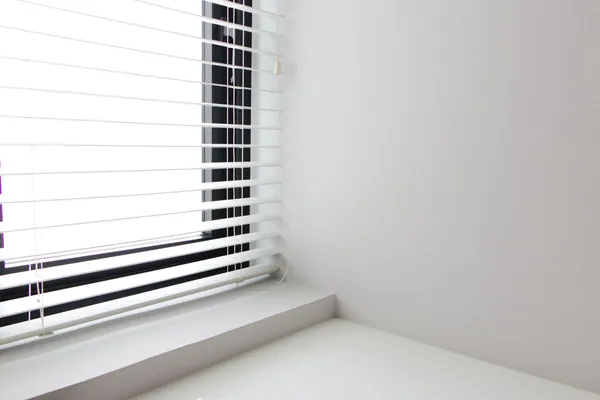
Window frames and tracks trap diesel soot mixed with moisture to form a hard grey paste on the channels that needs mechanical cleaning and specialist solvents.
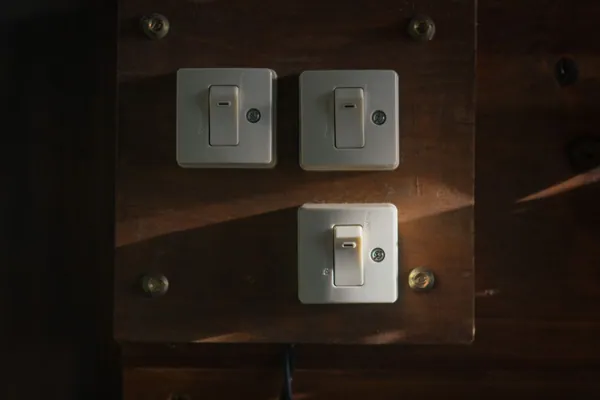
Doors, switches and touch points collect sticky soot layers that make them dull and hard to move, requiring both dry and wet treatment to restore and protect.
Every home has rooms that need it more.
Ceiling corners, fans, vents, cabinet and door tops, dusted before water touches anything, so we aren't turning dust into streaks on the surfaces below.
Counters, fronts, the tops above the cabinets and the hood.
Scale on glass and taps and in the grout is dissolved, not scrubbed dry and hoped over.
Skirting, switches, frames and edges, plus the floor and walls behind furniture we can safely move.
Floors come last, after the dust above has been cleared.
Deep cleaning in Al Asaliyah reaches from the Jeddah Makkah Expressway where heavy traffic concentrates the soot, with work focused on removing deposits coming from the Al Jumum Road direction right through to the lighter residential edges of the area.
Deep cleaning is about the tops, edges, grout and behinds, the places a routine clean is not meant to reach.
We send a team, not one person, so a whole home is done in one visit instead of a job that drags across days.
Degreasers, descalers and machines arrive with the team, no waiting because a tool is at another customer's home.
If a stain is set or grout needs replacing rather than cleaning, we tell you.
Photographs from real jobs carried out by the crew.












The commitment is simple enough to actually keep: we don't leave until you've walked the home and told us what you think.
South Jeddah runs from the port and the industrial city down towards Al Khumrah, and homes here sit between the sea and the heavy goods roads. The dust is darker and oilier than in the north, a mix of diesel soot and workshop grit, and it clings to net curtains, window sills and the tops of kitchen cupboards. Floors in the older low rise housing are often plain cement or ceramic tile that darkens where soot is walked in. Humidity from the coast adds mildew in bathrooms and a musty smell in stored fabrics.
We provide these in Al Asaliyah too, and more than one can share a single visit.



