
We test before we clean
Testing the material on a hidden spot is a step we treat as necessary, not optional.
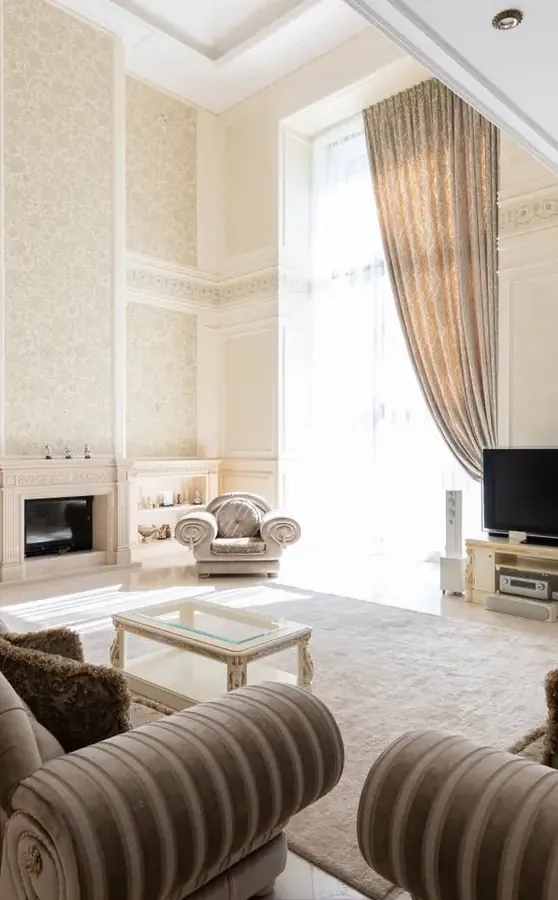
Prince Fawaz South lies between Haramain Road and the Jeddah Makkah Expressway, sitting between the sea and the industrial freight routes. The dust here is dark and oily with diesel soot and workshop particles. The carpet colour changes fast and curtains get heavy. Cleaning must break down the oils before water reaches the base.
Carpet in south Jeddah collects diesel soot and heavy oils rapidly from the nearby freight routes, and cement and ceramic floors in older low-rise housing darken quickly where soot is walked in. For the method itself, see the full carpet and rug cleaning page.
Heavy trucks run south Jeddah all day, and the exhaust is dark fine oily particles that enter the carpet through open windows and doors. Water alone cannot lift oils; the oils must be treated before full washing takes place.
Cement and ceramic floors in older low-rise housing darken where soot is walked in every day. Sweeping and mopping do not lift it completely. Deep cleaning with the right solvents is needed to restore the original colour.
The coast brings moisture and the trucks bring soot. Together they create a grey-black layer on carpet and fabrics, and mildew can start in low-lying bathrooms. Complete washing and drying prevents growth and odour.
A densely built residential extension close to Haramain Road, crossed by an open drainage channel, with tightly spaced apartment buildings and villas between the industrial areas and port roads.
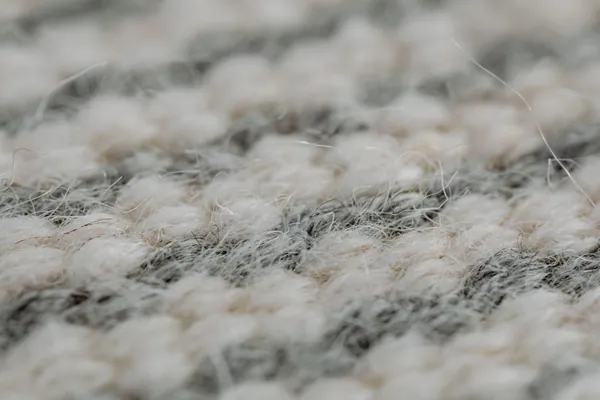
South Jeddah carpet contains heavy diesel soot and workshop particles that must be lifted before full washing starts.
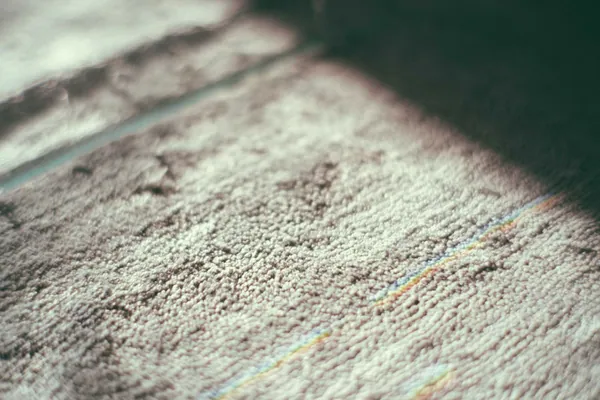
Deep dry vacuuming here must be strong and thorough to pull soot that has settled deep in the pile base.
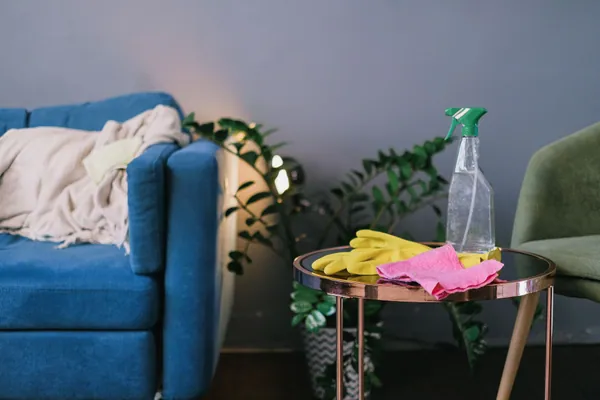
Soot and oil stains are treated with appropriate solvents before wet washing to ensure complete removal.
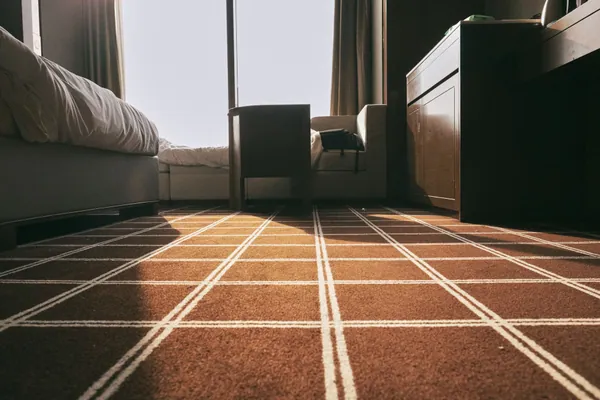
The washing method is set by the level of oily soiling; stronger extraction may be needed in the southern freight areas.
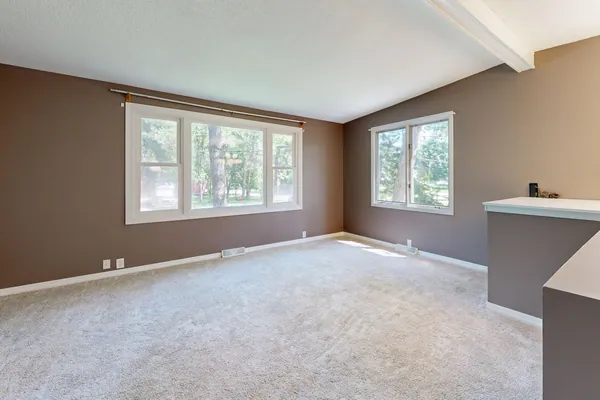
Fitted carpet in low-rise flats is washed carefully with special attention to heavy oil deposits underneath the surface.
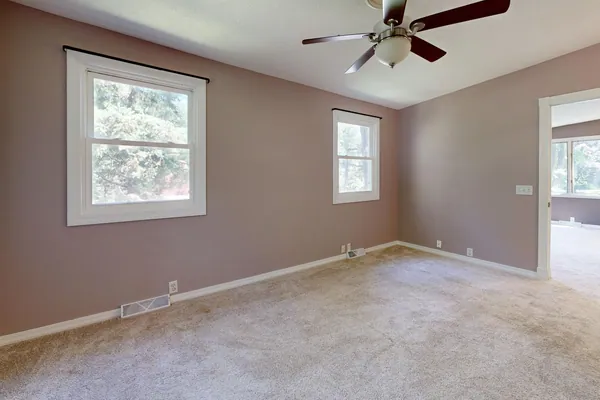
Wet extraction and drying must be complete and thorough because moisture and oils may remain trapped in the base.
Wool, synthetic and silk-blends do not take the same heat or the same material.
Before any water.
An oil stain is not treated like a juice stain.
Hot water loosens what is bound in the pile and the extractor pulls it straight back out with the water, together, so nothing is left sitting in the base.
The borders and fringe are done by hand, where machines skip and where wear shows first, so the whole rug looks even.
The carpet is left slightly damp, not wet.
Prince Fawaz South sits about 1 km from Prince Fawaz North and about 1 km from Al Shifa.
Open in Google MapsTesting the material on a hidden spot is a step we treat as necessary, not optional.
The company runs a large workforce, and we send a team rather than one worker.
The deep vacuum and extraction machines are ours and arrive with the team.
If a rug needs repair or re-fringing rather than cleaning, we say so.
Photographs from real jobs carried out by the crew.












The commitment is simple enough to actually keep: we do not leave before you have seen the result and told us what you think.
South Jeddah runs from the port and the industrial city down towards Al Khumrah, and homes here sit between the sea and the heavy goods roads. The dust is darker and oilier than in the north, a mix of diesel soot and workshop grit, and it clings to net curtains, window sills and the tops of kitchen cupboards. Floors in the older low rise housing are often plain cement or ceramic tile that darkens where soot is walked in. Humidity from the coast adds mildew in bathrooms and a musty smell in stored fabrics.
We provide these in Prince Fawaz South too, and more than one can share a single visit.



