
We test before we clean
Testing the material on a hidden spot is a step we treat as necessary, not optional.
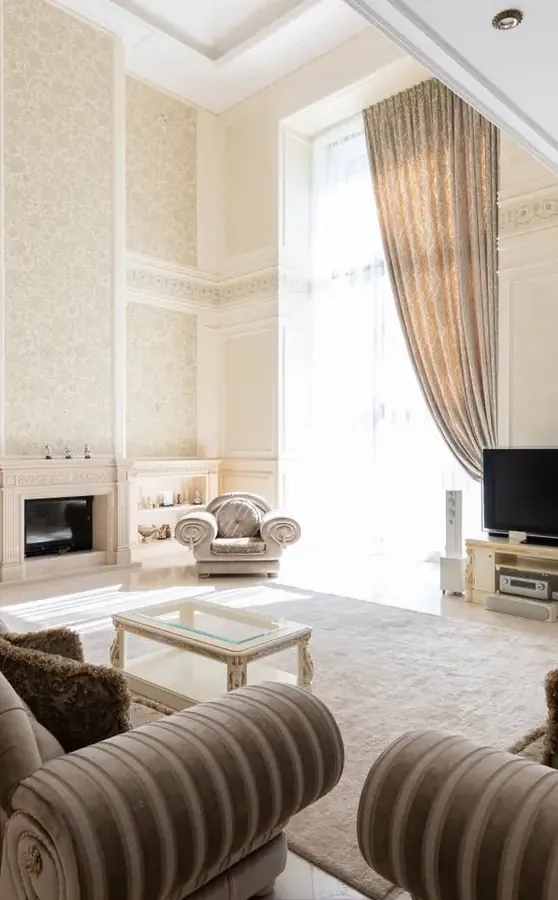
Al Zumurrud sits on the Red Sea coast where humidity stays high and salt air never lifts, and this changes carpet cleaning entirely. High humidity keeps fibres slightly damp long after they look dry, so odours and dust cling longer than inland. Salt works deep into the pile. Deep cleaning and precise drying here are not optional but essential to restore the pile and stop degradation.
Carpets here need deeper cleaning cycles than other Jeddah districts because salt and humidity together attack the fibres in ways daily vacuuming cannot address. For the method itself, see the full carpet and rug cleaning page.
Salt air does not just settle on the surface: it penetrates deep into the pile and reacts with moisture, weakening the fibres faster than in dry zones. Coastal carpets change colour and lose their softness well before their time if not cleaned deeply and dried with precision.
Damp air slows evaporation, so pet or cooking smells cling to the carpet much longer than elsewhere. Deep cleaning with complete water extraction is the only way to pull these odours out of the base and the fibres.
High humidity means carpets dry slower than inland even after full wet extraction. Targeted airflow and controlled drying are essential to prevent musty smells and fungal growth from taking hold.
The district lies directly on the Red Sea shore with villas and modern apartments across its blocks, and salt air reaches every property without exception, day and night through the year.
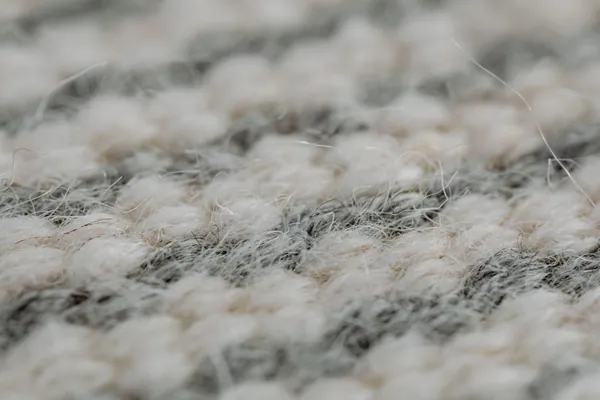
The different carpet types in Al Zumurrud must be sorted carefully: wool, acrylic and blends react to salt and moisture in different ways and need different handling.
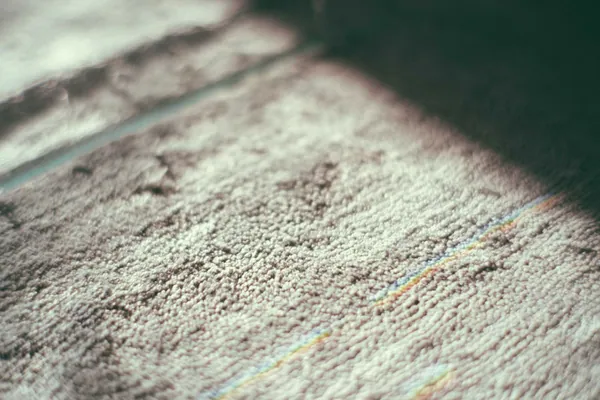
Deep dry vacuuming in a humid climate must be powerful and thorough, because the pile traps moisture, and salt and dust sit underneath, invisible but present.
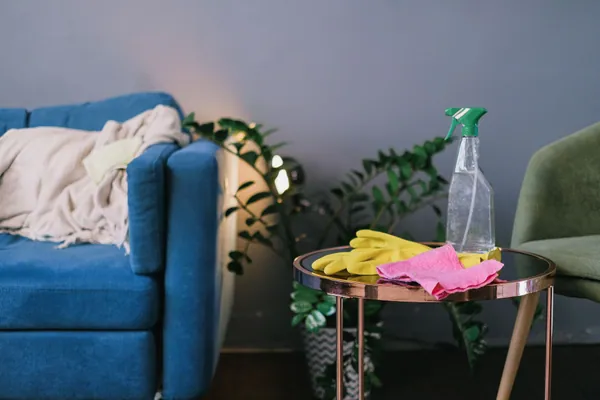
Stains in Al Zumurrud are often a mix of salt, moisture and dust, so they need treatment that removes the salt first before any chemical stain treatment can work.
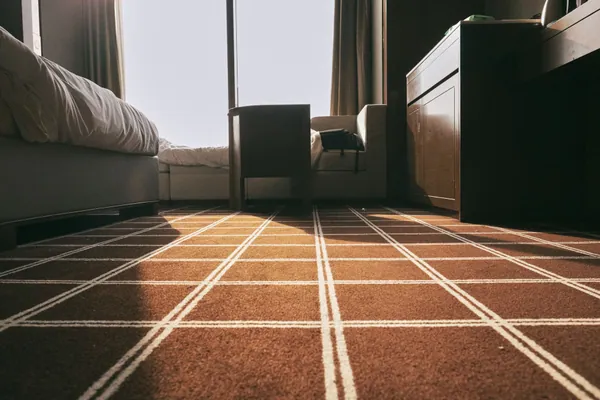
Wet extraction is the foundation here, but drying after it is critical: we use fans and directed airflow to prevent excess moisture from staying in the carpet base.
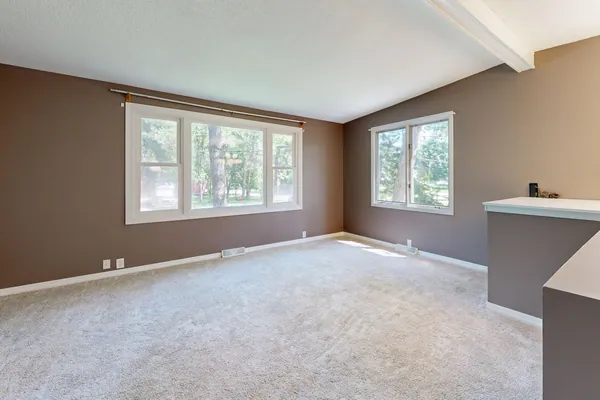
Fitted carpet in apartments is cleaned in place with care because of humidity: we ensure no standing water is left underneath where it could cause mould in the underlay.
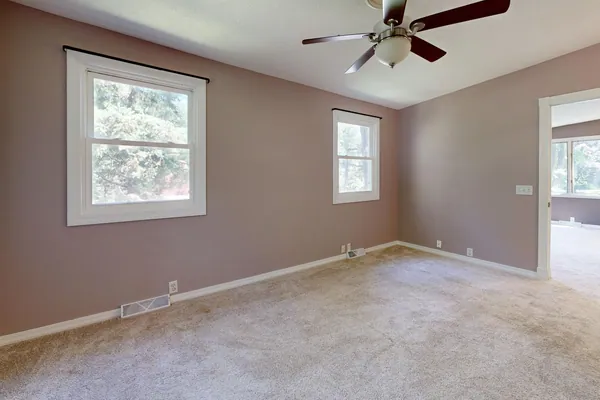
Wet extraction and drying in Al Zumurrud takes longer than elsewhere: we do not consider the job complete until the carpet is thoroughly dry and the base is clear of moisture.
Wool, synthetic and silk-blends do not take the same heat or the same material.
Before any water.
An oil stain is not treated like a juice stain.
Hot water loosens what is bound in the pile and the extractor pulls it straight back out with the water, together, so nothing is left sitting in the base.
The borders and fringe are done by hand, where machines skip and where wear shows first, so the whole rug looks even.
The carpet is left slightly damp, not wet.
Al Zumurrud sits about 2 km from Al Gharbiyah and about 2.5 km from Al Corniche.
Open in Google MapsTesting the material on a hidden spot is a step we treat as necessary, not optional.
The company runs a large workforce, and we send a team rather than one worker.
The deep vacuum and extraction machines are ours and arrive with the team.
If a rug needs repair or re-fringing rather than cleaning, we say so.
Photographs from real jobs carried out by the crew.












The commitment is simple enough to actually keep: we do not leave before you have seen the result and told us what you think.
Al Zumurrud stretches between Omar bin Siddiq Attar Mosque to the north and Al Khair Mosque to the south, and we know the roads and streets that lead to homes and flats across this coastal strip. The residential blocks sit close together, but we know every lane and side gate, which means we can bring equipment in quickly and start work on time.
We provide these in Al Zumurrud too, and more than one can share a single visit.



