
We test before we clean
Testing the material on a hidden spot is a step we treat as necessary, not optional.
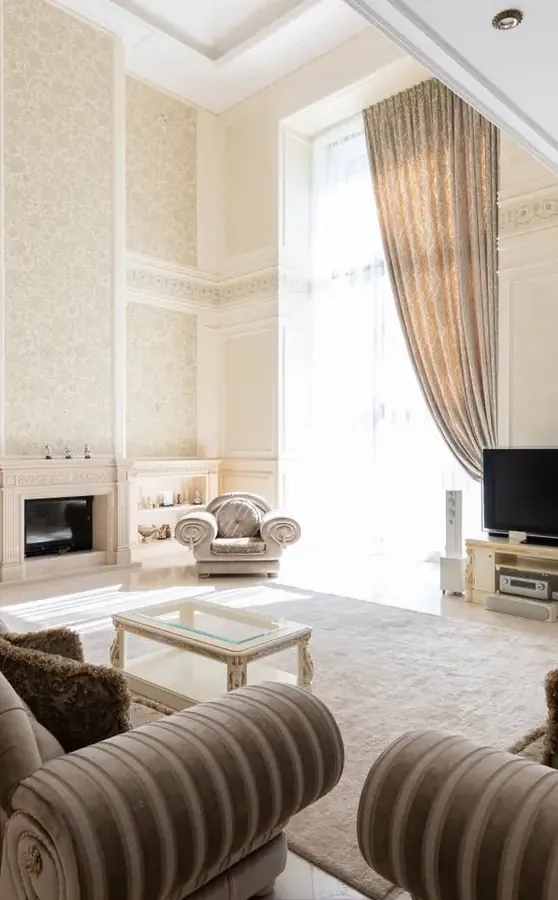
Al Gharbiyah is a new development close to the coast, with vacant plots interspersed among newly built villas and compounds. Fine sand enters on footsteps and settles in the pile. Sprinkler spray dries in chalky rings on tiles and carpet edges. Salt air leaves its mark on windows and outdoor fabrics. The air is humid and floors are mostly marble or porcelain.
Carpets here start relatively clean because the homes are new, but coastal salt and fine sand grains clog the pile quickly and show their weight. For the method itself, see the full carpet and rug cleaning page.
The gardens and courtyards around new villas contain very fine sand that enters with every footstep across the threshold. This sand is not obvious to the eye but settles into carpet depth and grinds the fibres from within. Deep dry vacuuming must come first with enough force to pull it out before water is applied.
Salt from the sea air settles on curtains, outdoor covers and rugs, especially in open plan rooms facing the coast. Salt makes fabric stiff and fades its colour. The answer is washing with fresh water and complete extraction.
Modern irrigation systems on villa plots spray hard water that dries leaving white mineral rings on tiles and the outer edges of carpet. These salt deposits need their own removal method before general carpet washing.
A newly developed district in north Jeddah near the seafront, mostly modern villas and compounds with open plots still awaiting construction, served by the coastal King Abdulaziz Road.
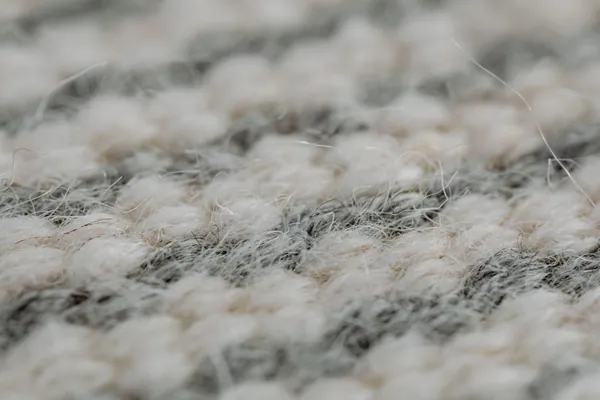
New carpet in modern villas may not have been professionally cleaned since installation, so we identify its type first and check the underlay.
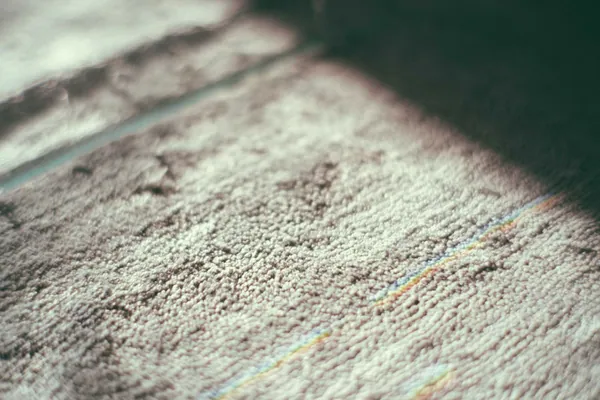
Strong dry vacuuming pulls fine sand and trapped salt out of the depths before water washing begins.
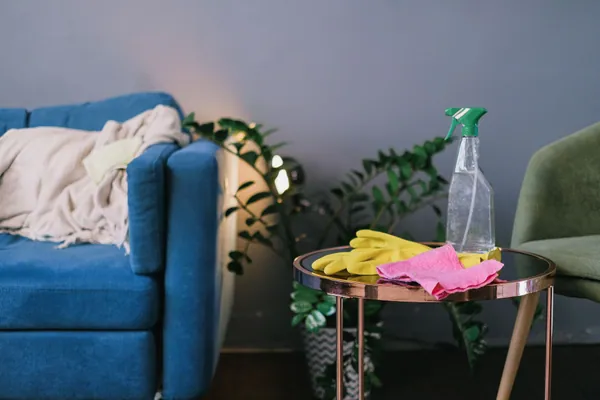
Lime deposits and salt need special treatment, so we examine them and choose the right chemical before general washing.
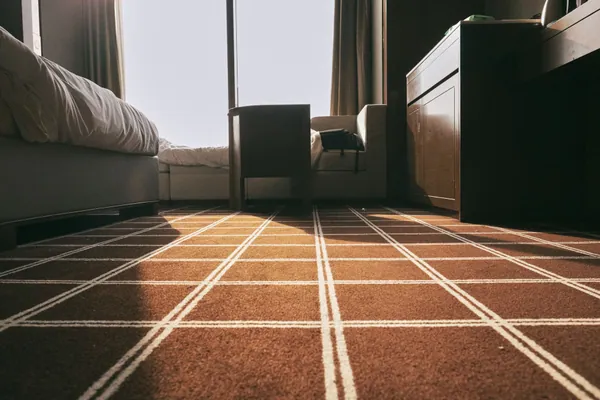
Hot water and the right pressure depend on fibre type and underlay in new builds, so we always spot test a hidden corner first.
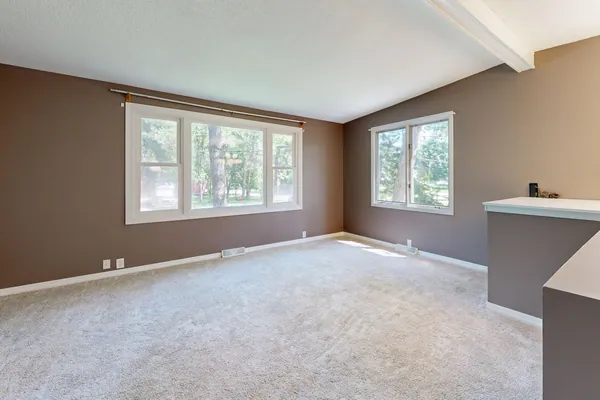
Fitted carpet in new villas is cleaned in place using hot water and suction without removal or refitting.
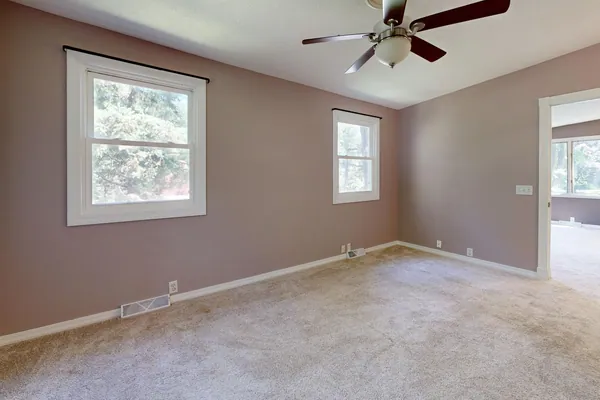
Fans and a drying unit work to pull moisture out fast and prevent mildew settling in the humid air close to the sea.
Wool, synthetic and silk-blends do not take the same heat or the same material.
Before any water.
An oil stain is not treated like a juice stain.
Hot water loosens what is bound in the pile and the extractor pulls it straight back out with the water, together, so nothing is left sitting in the base.
The borders and fringe are done by hand, where machines skip and where wear shows first, so the whole rug looks even.
The carpet is left slightly damp, not wet.
Testing the material on a hidden spot is a step we treat as necessary, not optional.
The company runs a large workforce, and we send a team rather than one worker.
The deep vacuum and extraction machines are ours and arrive with the team.
If a rug needs repair or re-fringing rather than cleaning, we say so.
Photographs from real jobs carried out by the crew.












The commitment is simple enough to actually keep: we do not leave before you have seen the result and told us what you think.
North Jeddah is largely newer villa districts and compounds around Obhur and inland from it. Homes here tend to have marble or porcelain floors, large windows and a garden or courtyard, so the routine is set by what comes in from outside: fine sand carried on sandals, and sprinkler spray that dries to a chalky ring on tiles. Near the creek and the coast, sea air leaves a faint salt film on glass and on outdoor cushions, which stiffens fabric. Curtains and upholstery in these open plan rooms catch the dust that settles overnight.
We provide these in Al Gharbiyah too, and more than one can share a single visit.



