
We test before we clean
Testing the material on a hidden spot is a step we treat as necessary, not optional.
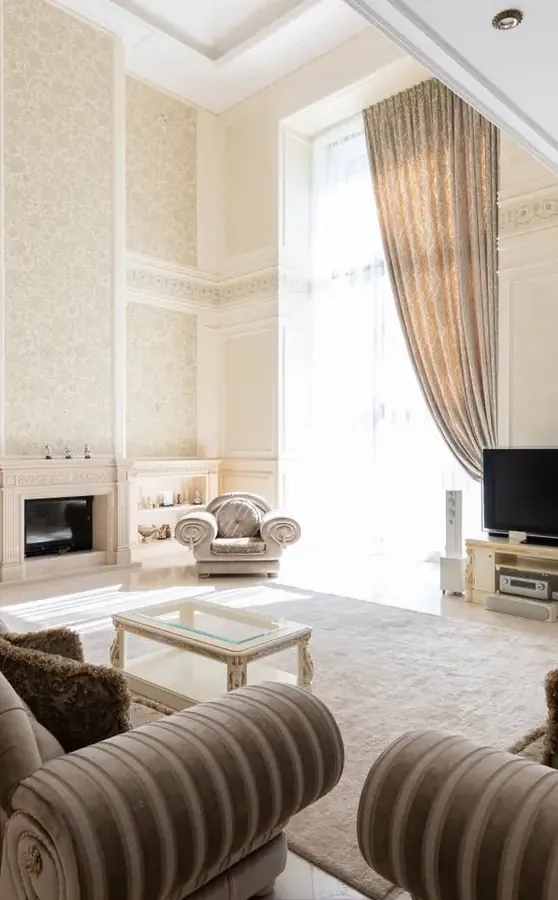
Al Yusr is a new district in Obhur Al Shamaliyah with construction ongoing around the homes, and sand and lime dust from building sites enters new houses quickly. New carpet in a new home picks up construction dust from the first day, and moisture from new ground slows drying after washing.
New homes in Al Yusr take in heavy dust and sand from neighbouring building sites during the summer season when windows must stay open. For the method itself, see how we approach carpet and rug cleaning.
Building work around new homes lifts sand and lime dust into the air, and this dust enters flats easily even with doors closed, settling into new carpet within weeks of move-in.
New earth and fresh building work carry high moisture, and new carpet absorbs this dampness easily, so drying after extraction takes much longer than in established districts.
Mineral rings from watering and moisture appear quickly on new carpet and fresh tile, and may leave permanent stains if not treated early in the carpet's life.
A newly developing district in north Jeddah between open land and active construction, with modern homes on new plot plans and basic services still under build.
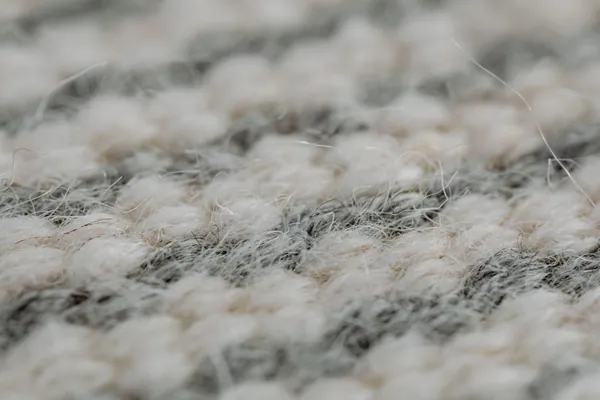
Sorting by fibre type matters because new homes may hold different carpet types in different rooms, and moisture affects each kind differently.
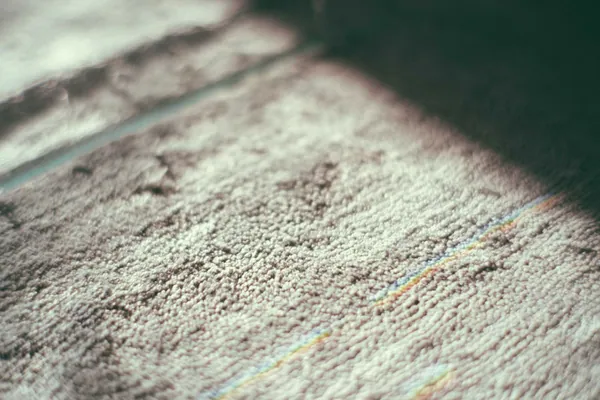
Deep dry vacuuming focuses on removing construction dust and fine sand before washing, because this dust clings to the new fibres.
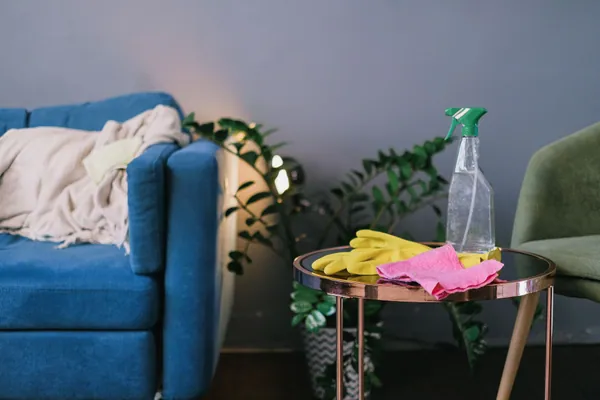
Stains are rare in a new home at first, but moisture marks and mineral rings from watering appear quickly and need immediate treatment.
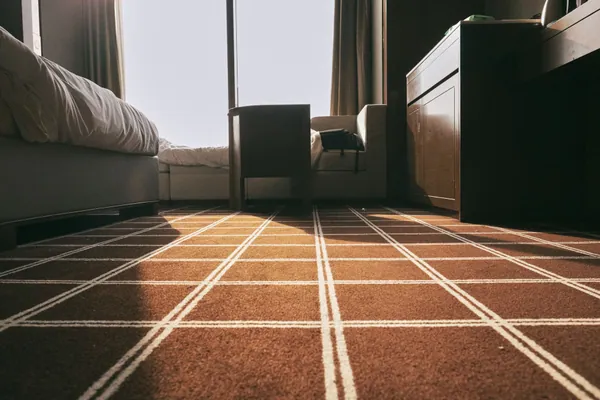
Washing method is gentle on very new carpet, and very hot water is avoided during the early months before the pile fully settles.
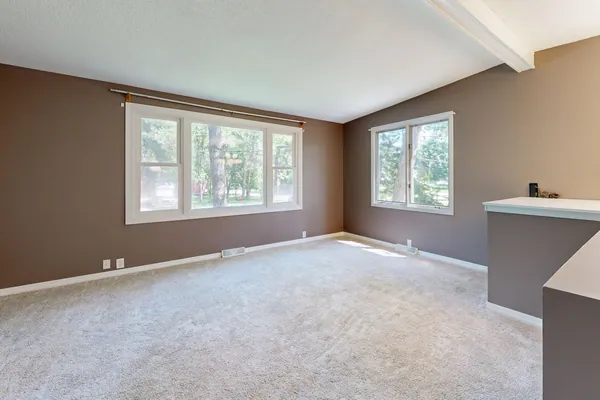
Fitted carpet in hallways needs special care as dust builds up there quickly, and drying may be slower in dark hallways with poor air flow.
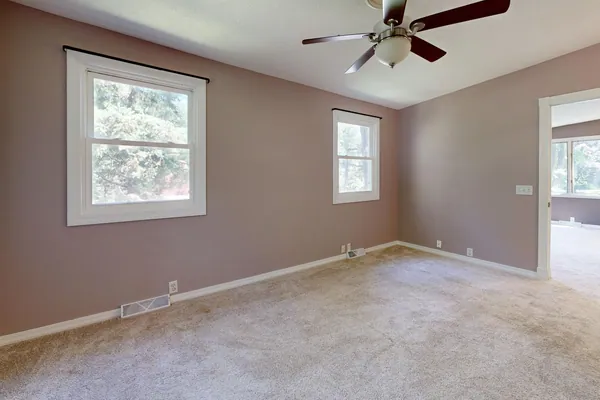
Wet extraction and drying takes much longer in a new home due to ground moisture, and long ventilation plus extra drying equipment may be required.
Wool, synthetic and silk-blends do not take the same heat or the same material.
Before any water.
An oil stain is not treated like a juice stain.
Hot water loosens what is bound in the pile and the extractor pulls it straight back out with the water, together, so nothing is left sitting in the base.
The borders and fringe are done by hand, where machines skip and where wear shows first, so the whole rug looks even.
The carpet is left slightly damp, not wet.
New development: ongoing construction and vacant plots between the homes
A new development district means active building around the home raising dust, sand and lime, and new carpet in this setting gets soiled quickly but remains sensitive to hard washing and high moisture.
Testing the material on a hidden spot is a step we treat as necessary, not optional.
The company runs a large workforce, and we send a team rather than one worker.
The deep vacuum and extraction machines are ours and arrive with the team.
If a rug needs repair or re-fringing rather than cleaning, we say so.
Photographs from real jobs carried out by the crew.












The commitment is simple enough to actually keep: we do not leave before you have seen the result and told us what you think.
North Jeddah is largely newer villa districts and compounds around Obhur and inland from it. Homes here tend to have marble or porcelain floors, large windows and a garden or courtyard, so the routine is set by what comes in from outside: fine sand carried on sandals, and sprinkler spray that dries to a chalky ring on tiles. Near the creek and the coast, sea air leaves a faint salt film on glass and on outdoor cushions, which stiffens fabric. Curtains and upholstery in these open plan rooms catch the dust that settles overnight.
We provide these in Al Yusr too, and more than one can share a single visit.



