
We test before we clean
Testing the material on a hidden spot is a step we treat as necessary, not optional.
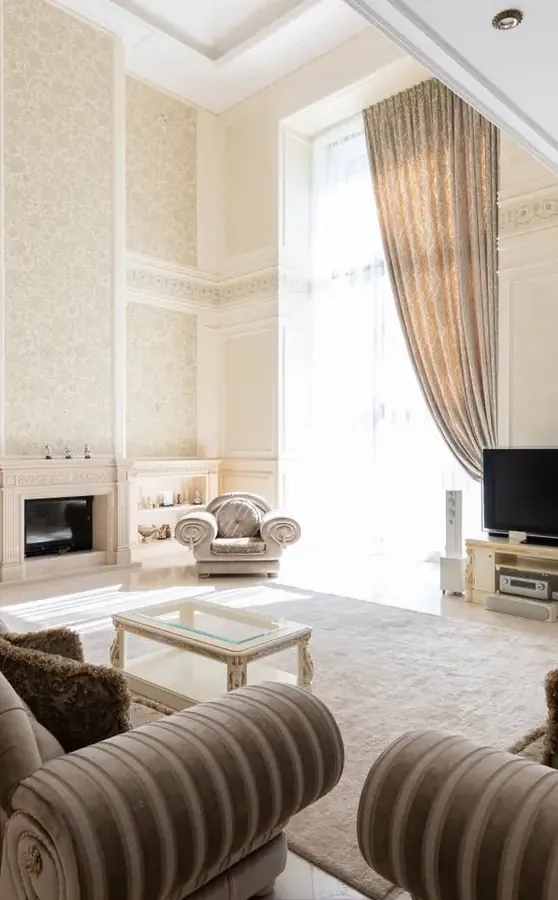
Al Wadiyah is a new northern district under Jeddah's Taybah sub-municipality near Wadi Obhur and Sharm Obhur, with ongoing construction and vacant plots scattered between homes, and streets still experiencing active building and development. Carpet here is either brand new in a modern villa or transferred from older homes, and vacant land raises fine construction dust, limestone particles and soil.
Fine construction dust from vacant plots and buildings under development differs from ordinary city dust, and limestone particles settle deep and leave musty odour quickly. For the method itself, see how we approach carpet and rug cleaning.
Vacant plots and buildings under construction release extremely fine construction dust and limestone particles that are unlike ordinary road dust. These fine particles enter homes under door gaps and settle deep into pile very quickly, demanding aggressive dry vacuuming before any water.
New villas often come with freshly manufactured carpet made from unfamiliar fibres and newly mixed dyes. A test patch on a hidden corner is essential before full washing, otherwise modern dyes may fade or shift colour unexpectedly.
Modern construction and new foundations sometimes trap moisture during the building phase, and carpet absorbs this rapidly. Incomplete drying after washing leaves mildew smell quickly, and moisture wicks back from the concrete base if not fully extracted.
Al Wadiyah falls under Jeddah's Taybah sub-municipality in north eastern Jeddah near Wadi Obhur and Sharm Obhur, served by main roads including King Saud Road and Asfan Road.
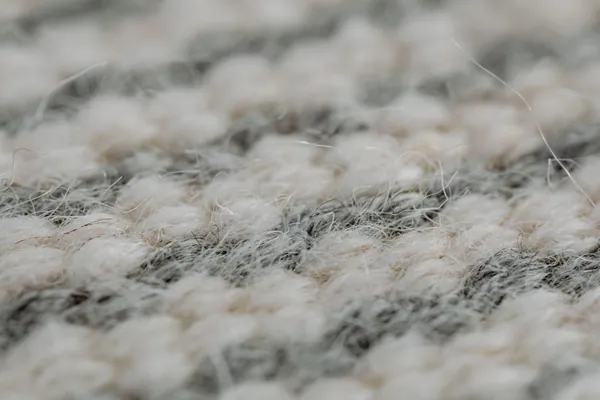
Carpet in Al Wadiyah carries fine construction dust from vacant land and active building sites, and deep dry vacuuming is essential before any water extraction.
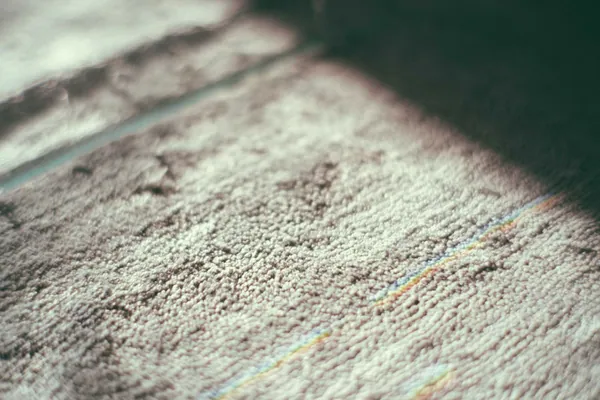
Deep dry vacuuming is absolutely critical to remove limestone particles and fine dust before water is used, otherwise particles turn to adhesive mud bonding to fibres.
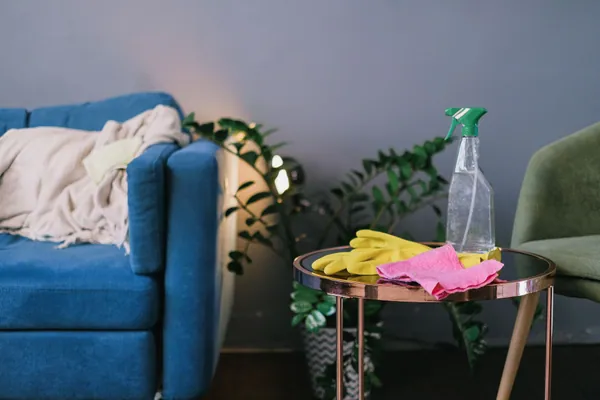
Construction dust stains, dampness marks and light soiling each need specific chemistry, and sequence is important to success.
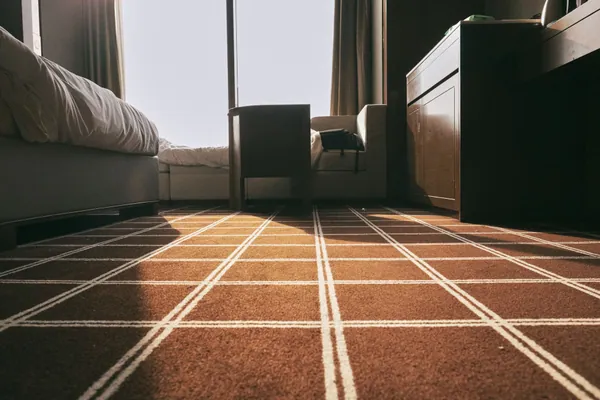
New carpet may tolerate hotter water than older carpet, but we test colours first to prevent fading.
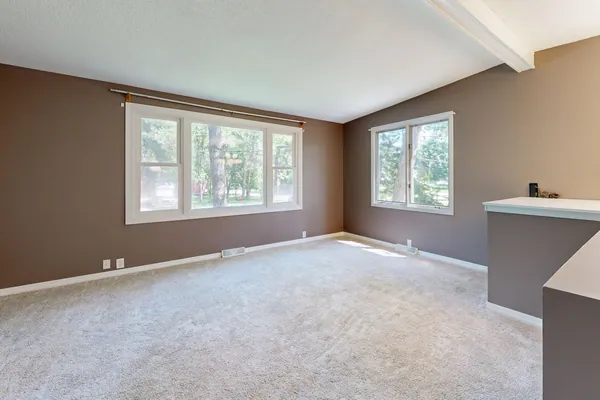
New fitted carpet is cleaned in place with extra care, and drying needs natural air circulation rather than high-powered fans.
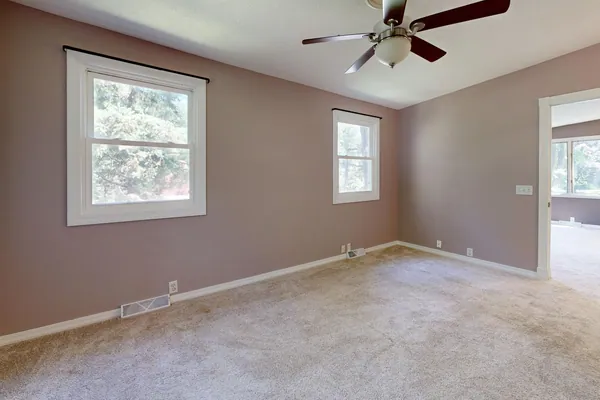
Wet extraction and continuous free air movement at moderate temperature is essential to remove rising moisture from newly built concrete foundations.
Wool, synthetic and silk-blends do not take the same heat or the same material.
Before any water.
An oil stain is not treated like a juice stain.
Hot water loosens what is bound in the pile and the extractor pulls it straight back out with the water, together, so nothing is left sitting in the base.
The borders and fringe are done by hand, where machines skip and where wear shows first, so the whole rug looks even.
The carpet is left slightly damp, not wet.
Testing the material on a hidden spot is a step we treat as necessary, not optional.
The company runs a large workforce, and we send a team rather than one worker.
The deep vacuum and extraction machines are ours and arrive with the team.
If a rug needs repair or re-fringing rather than cleaning, we say so.
Photographs from real jobs carried out by the crew.












The commitment is simple enough to actually keep: we do not leave before you have seen the result and told us what you think.
New development: ongoing construction and vacant plots between the homes
New development means carpet here may be brand new in an unoccupied villa or transferred from another home into a recently built one. Construction dust differs from ordinary dust and limestone particles need special handling, and moisture from new building foundations may appear quickly if drying is incomplete.
We provide these in Al Wadiyah too, and more than one can share a single visit.



