
We test before we clean
Testing the material on a hidden spot is a step we treat as necessary, not optional.
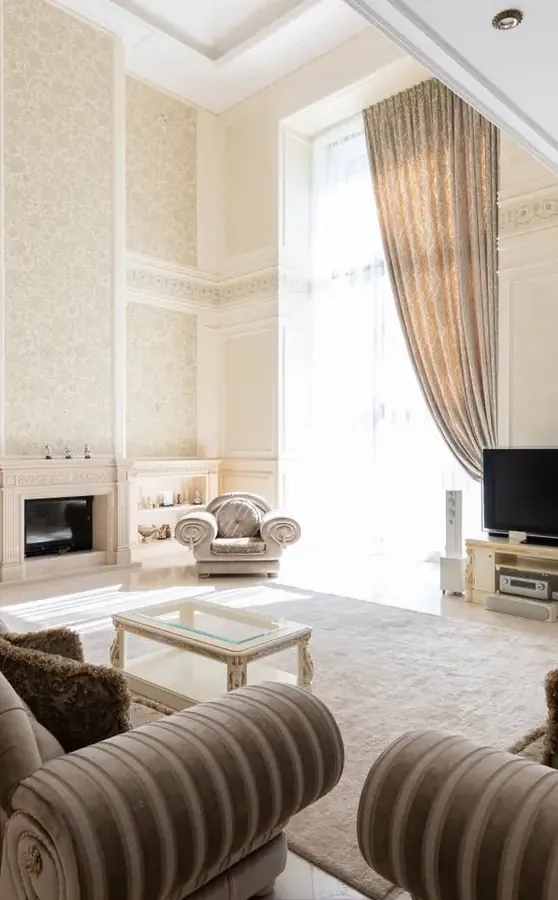
Al Mahjar is a south Jeddah district between Al Waziriyah and the port, and carpet here carries heavy soils from port soot and truck oils. Black greasy dust clings to the fibres, and coastal moisture makes the soils stick far more stubbornly than elsewhere.
Homes near the industrial zone and port take in heavy soot and fine oils in the air every day, especially downwind from the port. For the method itself, see the full carpet and rug cleaning page.
Black soot from the port, refinery and heavy trucks rises into the air and enters homes easily, clinging to carpet and darkening it rapidly to a permanent looking black.
Oils and greases from truck engines settle on carpet making it heavier, dulling the pile sheen, and requiring very strong treatment that may not always succeed.
High coastal humidity combined with heavy soot makes carpet dry extremely slowly, and diesel and musty odours may stay in the fibres even after washing.
A south Jeddah district close to the port and refinery, with major hospitals and a commercial market, heavy daily truck traffic and air thick with diesel soot.
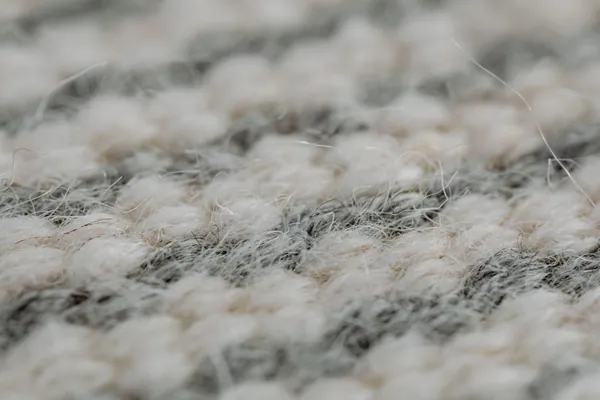
Sorting by fibre type is critical here because heavy soot could damage delicate imported carpet if harsh extraction is used.
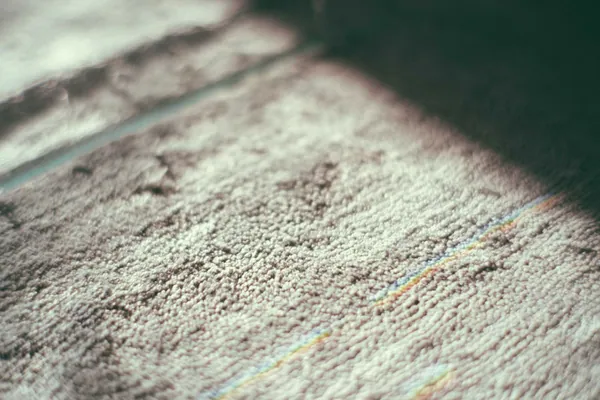
Deep dry vacuuming takes a long time as soot and oils are sticky and need intensive suction passes before wet cleaning starts.
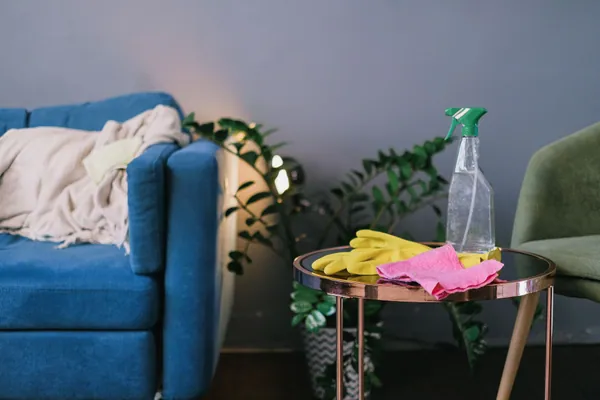
Oily stains from oils and soot need strong pre-treatment before full washing, and may need multiple treatment stages to lift.
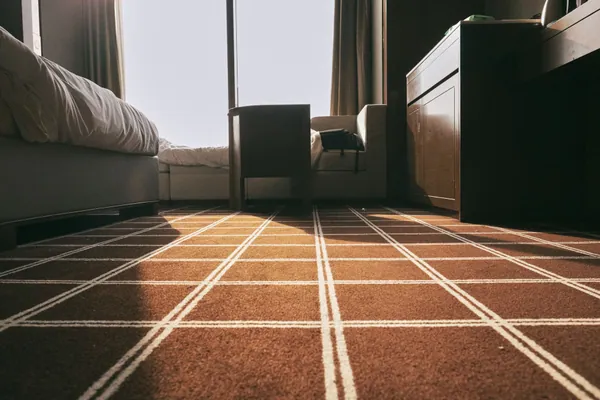
Washing method is very hot and strong here for heavy soils, but care is taken with old or delicate pile to avoid damage.
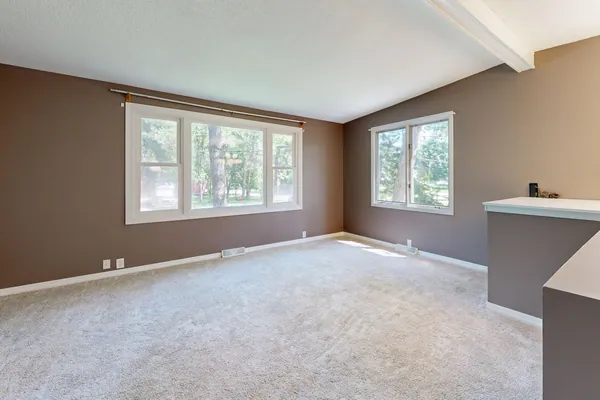
Fitted carpet needs very intensive vacuuming first because soot and oils accumulate heavily over years in hallways.
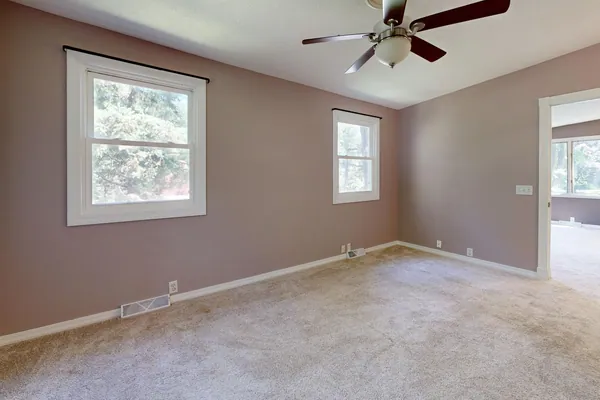
Wet extraction and drying takes a long time and needs powerful drying equipment, and odours may linger requiring daily ventilation.
Wool, synthetic and silk-blends do not take the same heat or the same material.
Before any water.
An oil stain is not treated like a juice stain.
Hot water loosens what is bound in the pile and the extractor pulls it straight back out with the water, together, so nothing is left sitting in the base.
The borders and fringe are done by hand, where machines skip and where wear shows first, so the whole rug looks even.
The carpet is left slightly damp, not wet.
Testing the material on a hidden spot is a step we treat as necessary, not optional.
The company runs a large workforce, and we send a team rather than one worker.
The deep vacuum and extraction machines are ours and arrive with the team.
If a rug needs repair or re-fringing rather than cleaning, we say so.
Photographs from real jobs carried out by the crew.












The commitment is simple enough to actually keep: we do not leave before you have seen the result and told us what you think.
South Jeddah runs from the port and the industrial city down towards Al Khumrah, and homes here sit between the sea and the heavy goods roads. The dust is darker and oilier than in the north, a mix of diesel soot and workshop grit, and it clings to net curtains, window sills and the tops of kitchen cupboards. Floors in the older low rise housing are often plain cement or ceramic tile that darkens where soot is walked in. Humidity from the coast adds mildew in bathrooms and a musty smell in stored fabrics.
We provide these in Al Mahjar too, and more than one can share a single visit.



