
We test before we clean
Testing the material on a hidden spot is a step we treat as necessary, not optional.
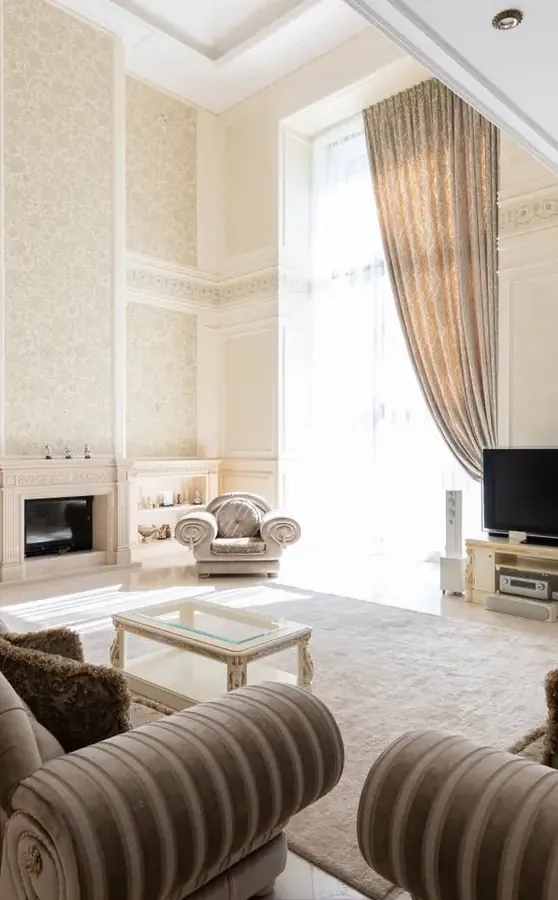
Al Balad, the historic heart of central Jeddah, mixes housing with commerce in a dense old quarter where carpets are exposed to the fine black dust of the main roads, which clings readily to the pile. The terrazzo and old ceramic floors are worn smooth and easily stained by cooking grease drifting up from the shops below, so carpet care here differs from anywhere else in the city.
Carpet in Al Balad bears heavy pedestrian traffic from shoppers and traders, and wear marks and traffic lines appear in the walkways weeks sooner than in quieter quarters. For the method itself, see how we approach carpet and rug cleaning.
The main roads encircling Al Balad load the carpet with fine black dust, distinct from desert dust, which sinks into the pile depth and darkens the colour. Daily vacuuming only touches the surface; the grit stays at the base and wears the fibres with every step.
Ground floor shops and restaurants send cooking vapours and grease smoke up to the flats above, coating the carpet and curtains in a thin oily layer. Cooking grease yellows the fibres, adds weight, and requires separate pre-treatment before washing.
Terrazzo and old ceramic tile in Al Balad are worn slippery from decades of use and hold scale deposits from old pipework and mineral-rich water. Carpet sitting on these floors absorbs moisture and salts from below, weakening the base.
Al Balad is a UNESCO-listed heritage district of coral stone houses and wooden latticework, surrounded by busy traditional souqs and main roads with constant foot and vehicle traffic.
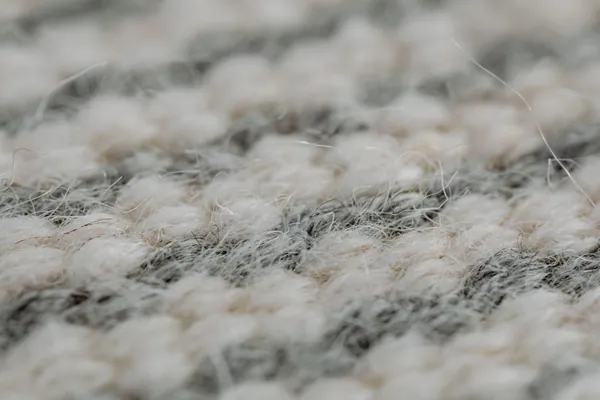
Carpet in Al Balad requires careful sorting because old flats hold a mix of types: wool, blends and synthetics, and each reacts differently to black dust and grease.
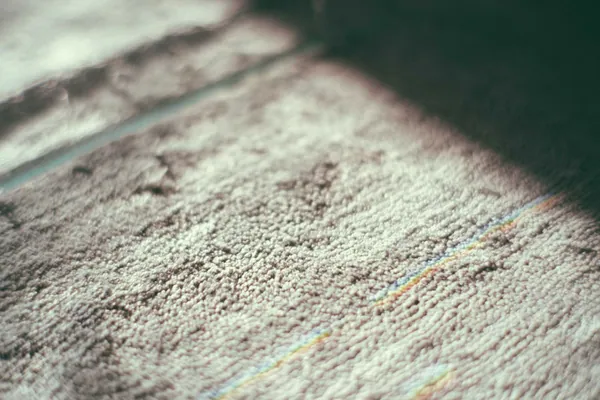
Deep dry vacuuming is critical here because the fine black dust settles deep in the pile where household vacuums cannot reach, and surface cleaning leaves the grit in the base.
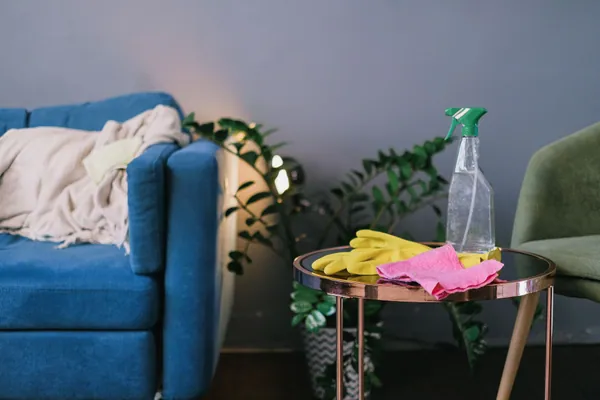
Stains here are often compound: black dust and grease together, requiring staged treatment that goes beyond plain water and detergent.
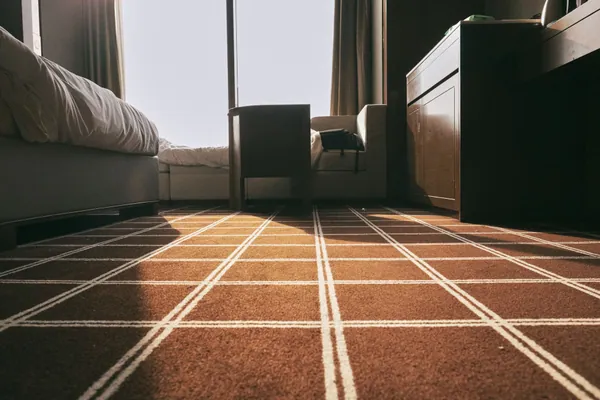
Fibre type varies, so wool cannot take high heat whilst blends and synthetics can. Washing temperature is set per carpet, not across the lot.
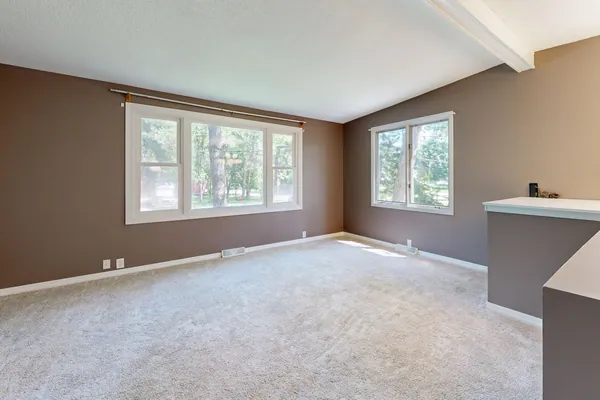
Fitted carpet in the stairwells and landings of Al Balad is cleaned in place because removal is complicated in these old tightly packed buildings.
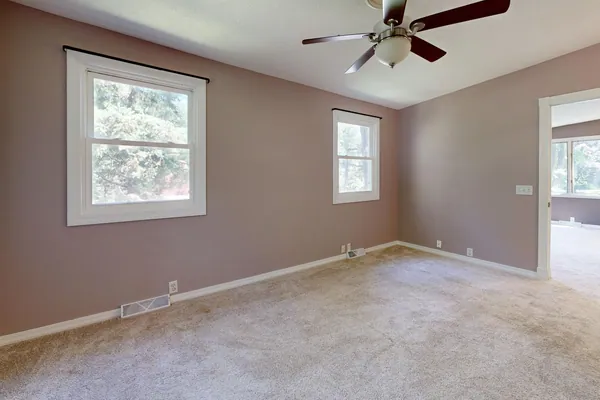
Wet extraction and drying take longer here because humidity is trapped in the small rooms with limited ventilation, and fans become essential for moisture control.
Wool, synthetic and silk-blends do not take the same heat or the same material.
Before any water.
An oil stain is not treated like a juice stain.
Hot water loosens what is bound in the pile and the extractor pulls it straight back out with the water, together, so nothing is left sitting in the base.
The borders and fringe are done by hand, where machines skip and where wear shows first, so the whole rug looks even.
The carpet is left slightly damp, not wet.
Testing the material on a hidden spot is a step we treat as necessary, not optional.
The company runs a large workforce, and we send a team rather than one worker.
The deep vacuum and extraction machines are ours and arrive with the team.
If a rug needs repair or re-fringing rather than cleaning, we say so.
Photographs from real jobs carried out by the crew.












The commitment is simple enough to actually keep: we do not leave before you have seen the result and told us what you think.
Al Balad is bounded by Souq Al Alawi and Souq Al Badu around Bab Makkah and Bab Sharif, so flats are reached via narrow lanes between shops and stalls. Work here is coordinated around the daily rhythm of the souqs.
We provide these in Al Balad too, and more than one can share a single visit.



