
We test before we clean
Testing the material on a hidden spot is a step we treat as necessary, not optional.
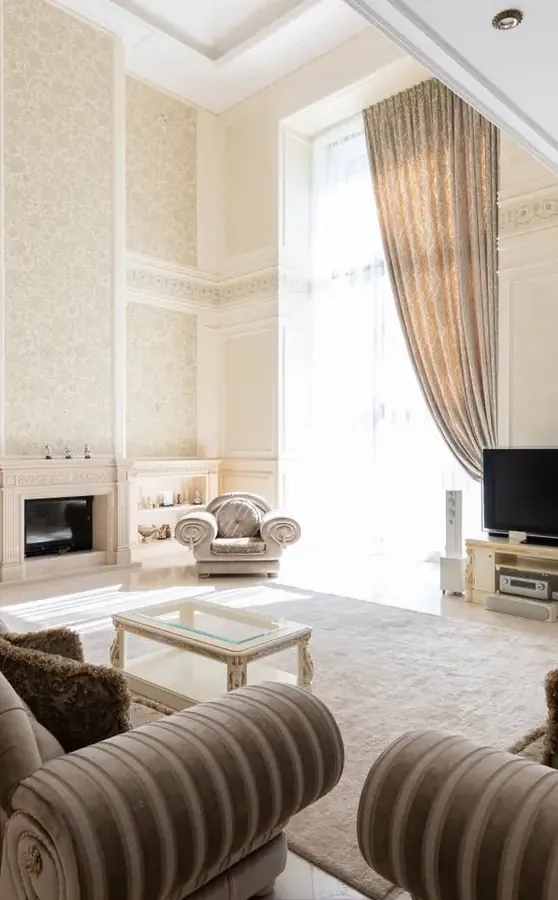
Al Abeer is a subdivision of Obhur Al Shamaliyah in north Jeddah, part of the new urban extension where land is newly released and building remains active. Vacant plots between villas continuously release fine sand into the air. Sand enters every new home; mineral-rich irrigation water deposits white rings on tiles and carpet alike, and newly laid carpet requires aggressive early cleaning before district stabilisation allows normal maintenance to resume.
New villa flooring is marble or porcelain, and fine sand scratches ceramic tile with ease; regular irrigation leaves white rings that return rapidly as sprinkler systems run daily. For the method itself, see what carpet and rug cleaning involves.
Vacant land surrounding new villas remains uncompacted, and continuous excavation and site work keep fine sand airborne. It enters homes via footwear, clothing and open windows, depositing on new marble and ceramic floors and embedding in new carpet pile within days, leaving permanent scratches on expensive new surfaces.
Close to creek and coast, sea air carries moisture and leaves a faint salt film on glass and outdoor textiles. Carpet dries slowly even in relatively dry conditions, and when humidity is high it remains damp for extended periods, trapping sand in the wet pile.
Every new villa has a garden and irrigation system; spray carries dissolved minerals that deposit as white rings on tiles and cling to new carpet. Fresh fibres in new carpet attract mineral scale readily, and hard local water amplifies deposition, dulling colour within weeks.
A new development in north Jeddah served by main roads linking to Jeddah-Madinah Road and King Abdulaziz Road, made up of newly released residential land with ongoing construction and undeveloped plots scattered throughout.
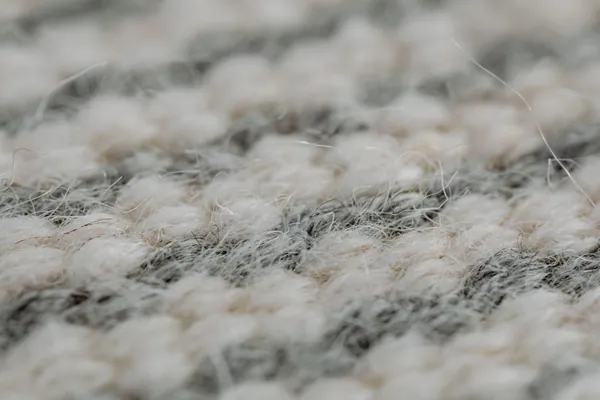
Fibre identification is critical in a heavily sandy environment, because sharp sand particles damage new wool and cotton differently from synthetic fibres, and extraction technique must match the fibre type.
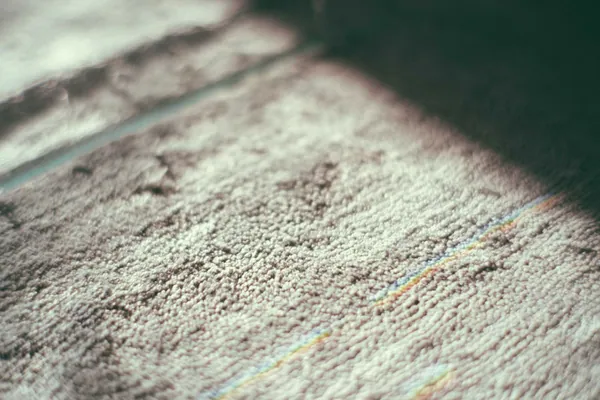
Deep dry vacuuming must precede any water because construction sand trodden into moisture becomes far more difficult to extract and migrates deeper into the backing.
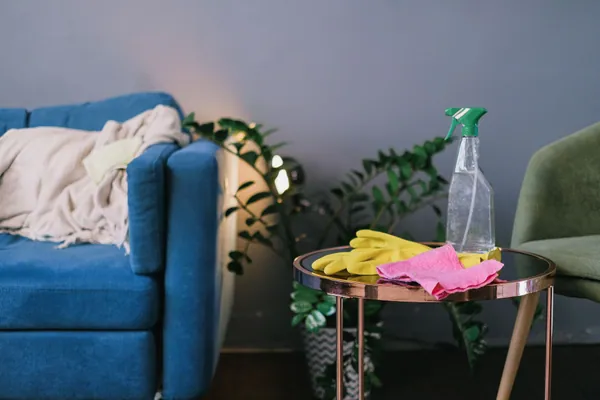
Stains from sand, mineral deposits and mud require individual treatment before general washing; sharp particles must be removed first to prevent grinding through the pile as extraction equipment moves.
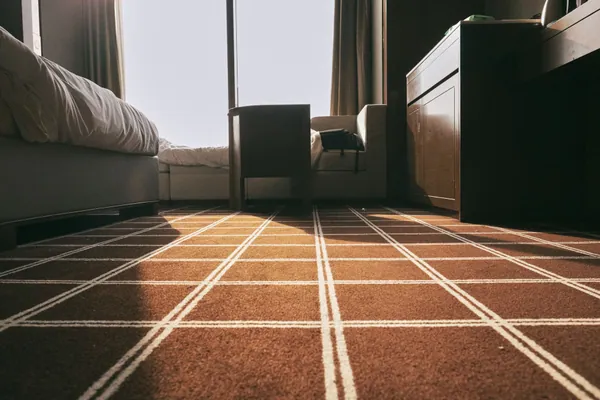
Washing with partially softened water reduces re crystallisation of minerals on the pile, and extra rinses ensure mineral residue is completely flushed from fibres and backing before drying begins.
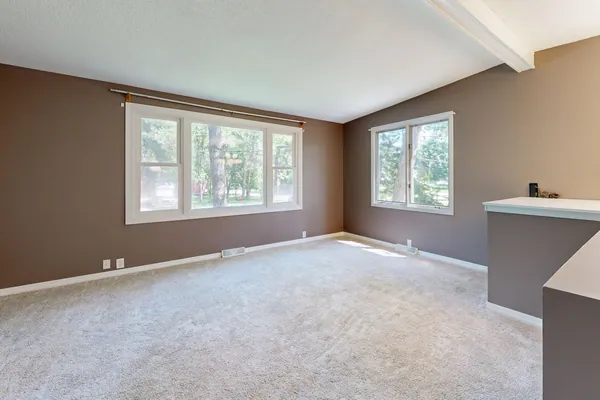
Fitted carpet in new villas is cleaned in place with extra attention to edges and corners where sand and minerals accumulate most heavily and moisture lingers longest after extraction.
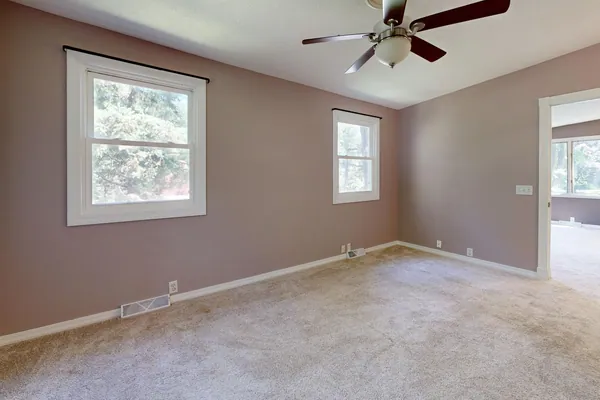
Complete wet extraction and thorough drying are essential, monitoring coastal humidity throughout; drying equipment runs until the carpet is completely dry, not merely surface-dry, to prevent sand and minerals reabsorbing moisture.
Wool, synthetic and silk-blends do not take the same heat or the same material.
Before any water.
An oil stain is not treated like a juice stain.
Hot water loosens what is bound in the pile and the extractor pulls it straight back out with the water, together, so nothing is left sitting in the base.
The borders and fringe are done by hand, where machines skip and where wear shows first, so the whole rug looks even.
The carpet is left slightly damp, not wet.
New development: ongoing construction and vacant plots between the homes
A new development means carpet must be protected from sand before the district stabilises. Frequent washing in the early months is not a luxury but a necessity.
Testing the material on a hidden spot is a step we treat as necessary, not optional.
The company runs a large workforce, and we send a team rather than one worker.
The deep vacuum and extraction machines are ours and arrive with the team.
If a rug needs repair or re-fringing rather than cleaning, we say so.
Photographs from real jobs carried out by the crew.












The commitment is simple enough to actually keep: we do not leave before you have seen the result and told us what you think.
North Jeddah is largely newer villa districts and compounds around Obhur and inland from it. Homes here tend to have marble or porcelain floors, large windows and a garden or courtyard, so the routine is set by what comes in from outside: fine sand carried on sandals, and sprinkler spray that dries to a chalky ring on tiles. Near the creek and the coast, sea air leaves a faint salt film on glass and on outdoor cushions, which stiffens fabric. Curtains and upholstery in these open plan rooms catch the dust that settles overnight.
We provide these in Al Abeer too, and more than one can share a single visit.



