
We test before we clean
Testing the material on a hidden spot is a step we treat as necessary, not optional.
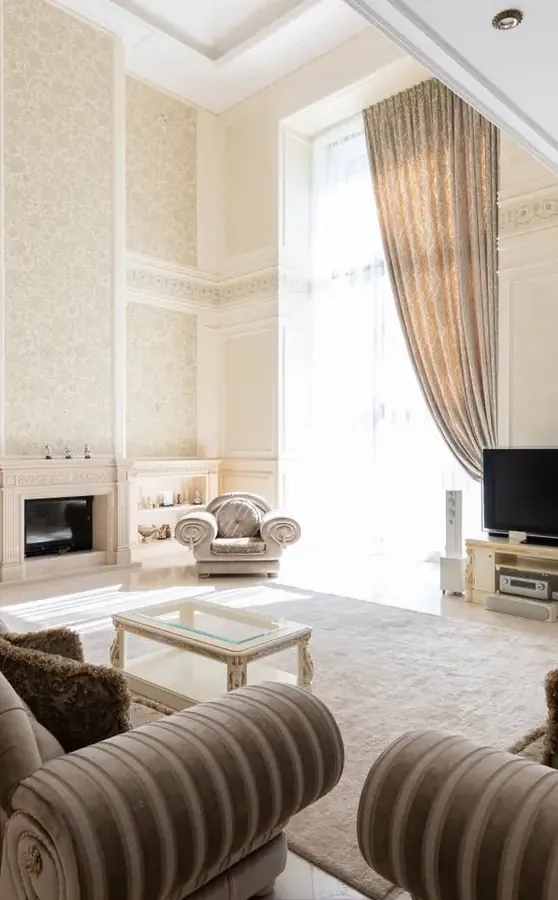
Abhur South sits on the Gulf coast, and salt and moisture in the air enter carpet fibres daily. Rugs here stay damp longer, and salt deposits at the base make the pile stiff. Deep extraction removes the salt before it breaks down the fibres and dulls the colour permanently.
Carpets and fitted rugs in Abhur South require professional cleaning more frequently than inland districts because salt deposits accumulate faster in the high humidity. For the method itself, see the full carpet and rug cleaning page.
Salt air enters homes with every window opened. Salt does not show on the surface but settles at the base of the pile and makes fibres stiff. Deep extraction removes these salt deposits before they damage the yarn structure and the handle of the pile.
Abhur South is far more humid than central Jeddah. Carpet takes up water easily during cleaning but takes much longer to dry. We use powerful extraction equipment and active drying to manage the moisture that the air keeps returning.
In chalets and villas close to the corniche, salt spray settles on every surface. Carpet absorbs this spray and becomes heavier and harder to move or handle, which changes how we approach removal and transport.
A coastal zone on the South Obhur Corniche, home to chalets, villas and resort properties where air is constantly saturated with salt and humidity throughout the year.
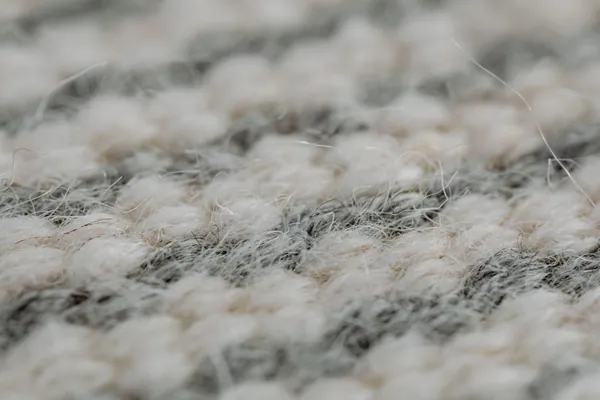
Coastal rugs are usually synthetic or wool, and salt in the air affects both types. We identify the fibre first and select a cleaning method that is safe and effective for what we find.
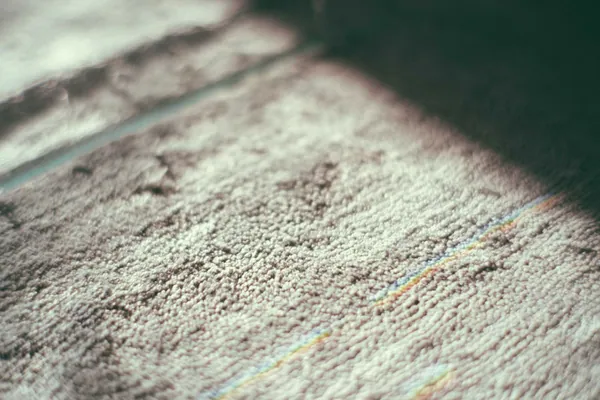
Deep dry vacuuming pulls up salt that has settled before we add any water. This step is crucial in coastal areas and cannot be skipped.
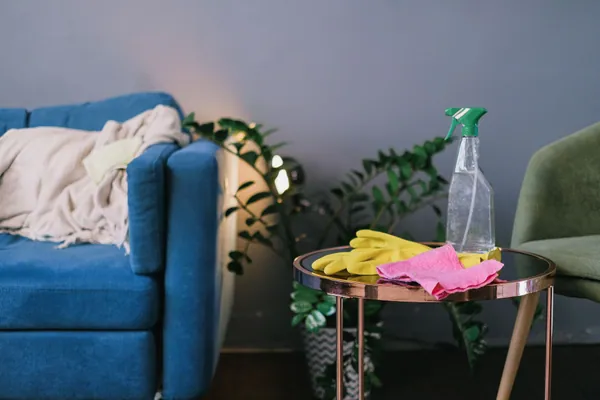
Stains from salt, sun and humidity are common here. We treat each stain individually with methods that remove salt residue and other deposits without harming the pile.
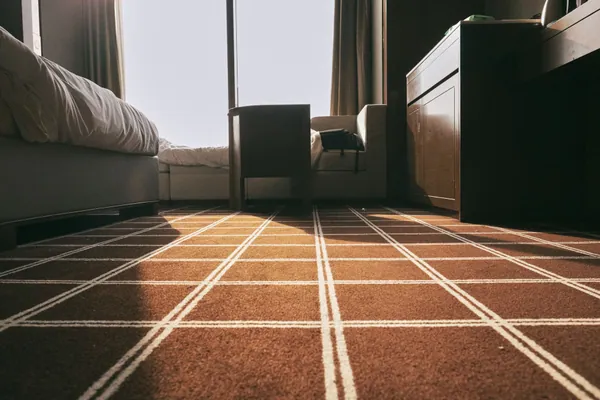
Hot water helps dissolve and lift salt. Wool carpet needs cooler water, while synthetics tolerate higher temperatures that help break down salt bonds.
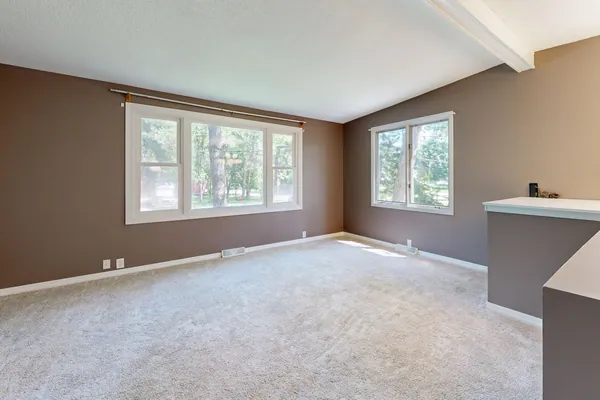
Fitted carpet stays in place for extraction using powerful suction, because moisture will return quickly from the coastal air and drying must be as thorough as possible.
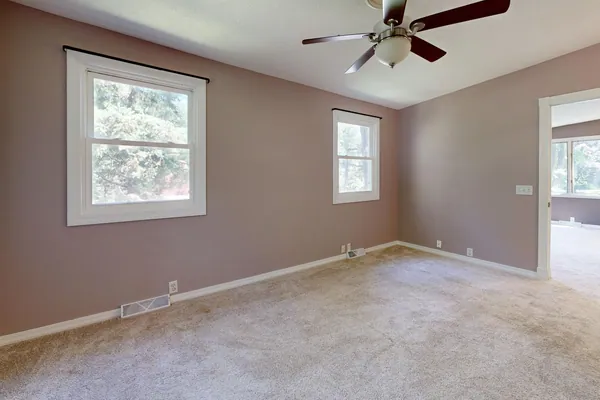
Wet extraction and active drying are most important. We deploy fans and advanced suction equipment to cut drying time and prevent the air from re-damping the fibres.
Wool, synthetic and silk-blends do not take the same heat or the same material.
Before any water.
An oil stain is not treated like a juice stain.
Hot water loosens what is bound in the pile and the extractor pulls it straight back out with the water, together, so nothing is left sitting in the base.
The borders and fringe are done by hand, where machines skip and where wear shows first, so the whole rug looks even.
The carpet is left slightly damp, not wet.
Testing the material on a hidden spot is a step we treat as necessary, not optional.
The company runs a large workforce, and we send a team rather than one worker.
The deep vacuum and extraction machines are ours and arrive with the team.
If a rug needs repair or re-fringing rather than cleaning, we say so.
Photographs from real jobs carried out by the crew.












The commitment is simple enough to actually keep: we do not leave before you have seen the result and told us what you think.
In Abhur South, proximity to Obhur Creek and the South Obhur Corniche means salt-laden sea air enters homes directly and continuously. Carpet cleaning must be set up with stronger extraction and drying than inland districts require.
We provide these in Abhur South too, and more than one can share a single visit.



