
We clean for the layer you don't see
Deep cleaning is about the tops, edges, grout and behinds, the places a routine clean is not meant to reach.

Wadi Mareekh under continuous construction sees dust that is heavier and greasier than stable districts nearby. Workshop particles and diesel soot enter quickly and cling to every surface, and coastal humidity adds mildew that a weekly clean cannot reach. New homes and new construction around them mean layers build fast and in combinations that matter.
Net curtains in new homes blacken rapidly from a mix of soot and rocky dust, because windows stay open during construction and finishing works on the plot. For the method itself, see our guide to deep cleaning.
Palestine Street and King Abdullah Feeder Road carry heavy goods vehicles daily. Their soot is not just black but sticky, it clings to curtains and floors and leaves a greasy film. A weekly clean removes it from view but leaves deposits in grout lines and corners where it hardens and darkens over weeks.
Digging, demolition and active building near your home produces coarse, heavy dust that does not settle easily. It enters around window frames and doors even when closed, and it coats new furniture and fabrics before paint has dried on the walls. Deep cleaning before soot hardens permanently makes a real difference.
New homes here sit close to the shore and natural low points, so moisture seeps through the base layers. Concrete and ceramic floors stay damp, bathrooms smell of mildew even with open windows, and stored fabrics develop musty odours that airing alone cannot fix.
The active building work surrounding homes here drives dust and grit inside at higher rates than elsewhere. Vacant plots nearby supply a constant source of rocky particles and fine sand that settle on every exposed surface.
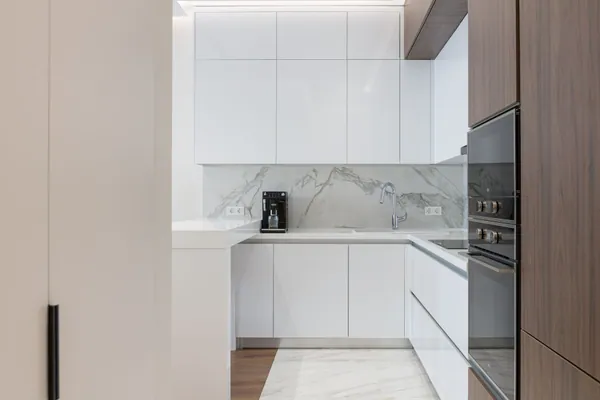
Fresh cooking grease mixes with diesel soot and rocky dust on new kitchen surfaces and grout lines, so it needs compound removal rather than simple wiping to separate the layers.
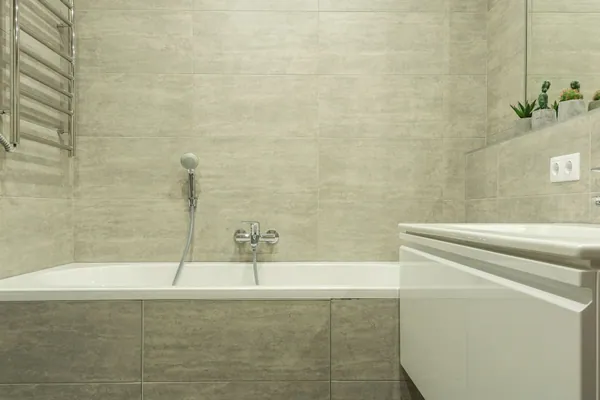
Salt deposits from coastal humidity accumulate quickly in ceramic grout and low-set floors, especially around drains and bathrooms where condensation concentrates moisture.
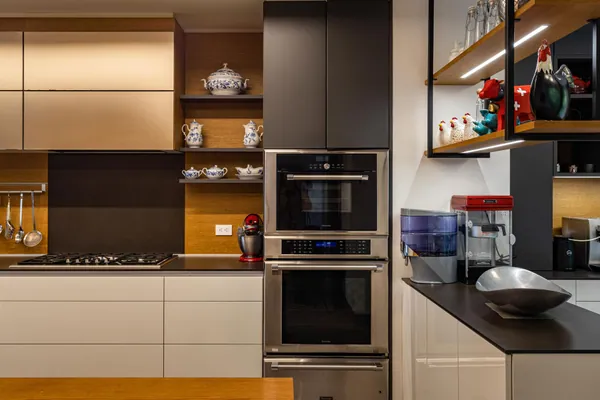
Rocky dust and oily soot settle stubbornly on fans, ventilation grilles and high cupboards, requiring careful removal so that loosened soot does not run down walls and spread the stain.
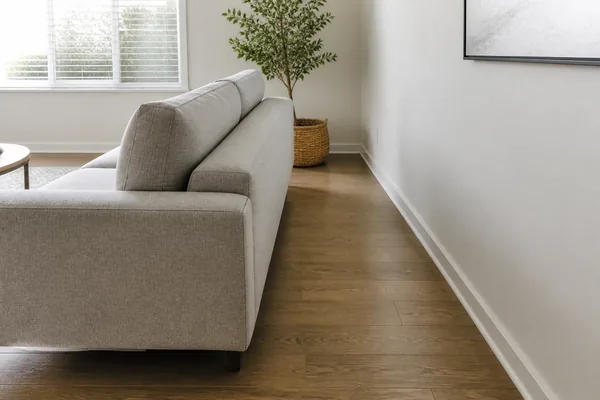
New furniture, especially wooden pieces, absorbs foundation moisture and mildew smell, and spaces behind it in new homes are tight, so it must be moved to clean what sits beneath and behind.
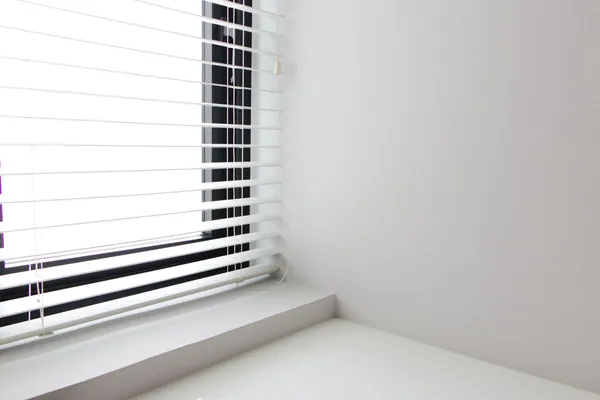
New windows gather salt and rocky dust in tracks and frames quickly, and humidity makes cleaning harder if the buildup sits longer than two weeks before it hardens and bonds permanently.
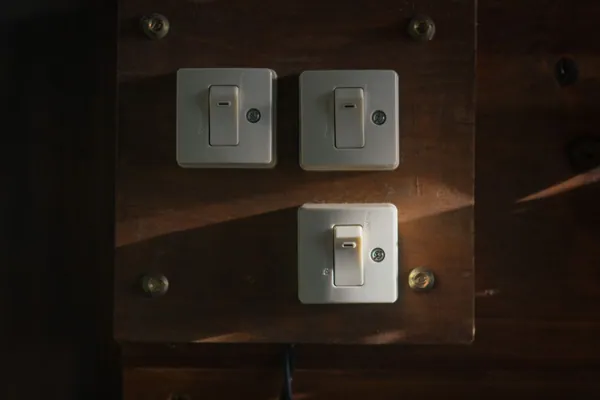
Doors, switches and electrical outlets collect rocky dust rapidly and become damp from coastal humidity, requiring careful cleaning to remove salt and soot before corrosion or rust damage begins.
Every home has rooms that need it more.
Ceiling corners, fans, vents, cabinet and door tops, dusted before water touches anything, so we aren't turning dust into streaks on the surfaces below.
Counters, fronts, the tops above the cabinets and the hood.
Scale on glass and taps and in the grout is dissolved, not scrubbed dry and hoped over.
Skirting, switches, frames and edges, plus the floor and walls behind furniture we can safely move.
Floors come last, after the dust above has been cleared.
New development: ongoing construction and vacant plots between the homes
A new home in an active construction zone does not accumulate grime slowly: it builds fast, from multiple sources at once. Deep cleaning here removes compound pollution that formed in weeks, not years, so it requires different priorities than stable districts.
Deep cleaning is about the tops, edges, grout and behinds, the places a routine clean is not meant to reach.
We send a team, not one person, so a whole home is done in one visit instead of a job that drags across days.
Degreasers, descalers and machines arrive with the team, no waiting because a tool is at another customer's home.
If a stain is set or grout needs replacing rather than cleaning, we tell you.
Photographs from real jobs carried out by the crew.












The commitment is simple enough to actually keep: we don't leave until you've walked the home and told us what you think.
South Jeddah runs from the port and the industrial city down towards Al Khumrah, and homes here sit between the sea and the heavy goods roads. The dust is darker and oilier than in the north, a mix of diesel soot and workshop grit, and it clings to net curtains, window sills and the tops of kitchen cupboards. Floors in the older low rise housing are often plain cement or ceramic tile that darkens where soot is walked in. Humidity from the coast adds mildew in bathrooms and a musty smell in stored fabrics.
We provide these in Wadi Mareekh too, and more than one can share a single visit.



