
We clean for the layer you don't see
Deep cleaning is about the tops, edges, grout and behinds, the places a routine clean is not meant to reach.
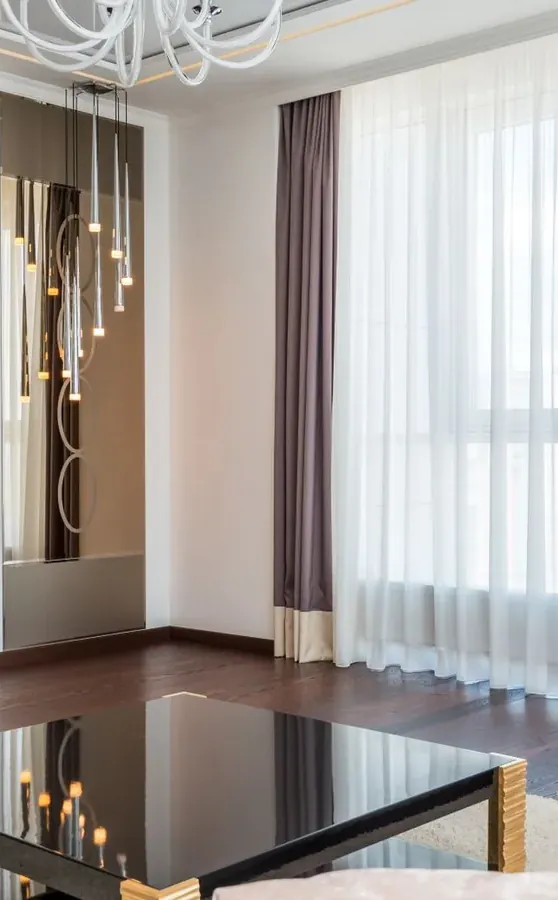
Al Zahra is a mixed district in north western Jeddah between the Saudi German Hospital and Al Zahra Hospital, with commercial hubs running through it. Upper-floor flats receive kitchen smells, diesel fumes and medical disinfectant odours from below and the sides. Nearby villas share the same polluted air. Deep cleaning here must address layers of environmental odour that surface wiping cannot touch, and the problem compounds over time.
Curtains and fabrics pick up the smell of cooking and medical disinfectant within weeks, even in newly built villas that appear insulated from the street. For the method itself, see our guide to deep cleaning.
Upper flats receive medical disinfectant smell from neighbouring hospitals, villas receive cooking grease and fumes from the commercial hubs. These odours do not disappear with ventilation alone but embed in textiles, carpets and upholstered furniture, and the smell grows stronger in warm weather when fabric opens.
Trucks and heavy vehicles release fine oily particles with their exhaust, and these deposits stick to surfaces, windows and fabrics. With urban humidity they form a thick layer requiring chemical treatment to remove, and this compound residue makes floors slippery and sticky at once.
Ceramic floors become slippery from cooking grease and polluted air settling on them. Corners and grout lines collect fine trapped particles and odours, and clearing these properly requires moving furniture and deep detailing that routine cleaning skips.
The district neighbours the University of Business and Technology and Zahra Mall, with concentrated commercial activity and continuous truck and vehicle movement releasing moisture and diesel grease.
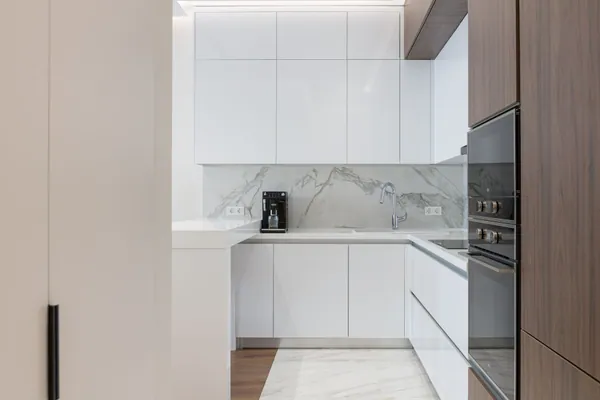
The kitchen combines local cooking grease with rising fumes from commercial hubs below, making cabinet surfaces brown and sticky from layers of airborne residue.
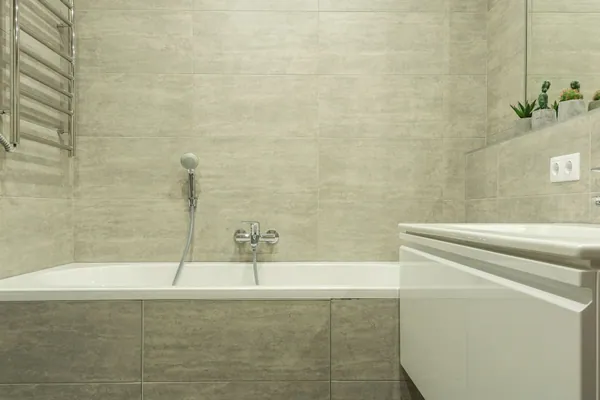
Bathrooms experience high humidity mixed with medical odour, and limescale deposits build up quickly on every surface and tap from the water and air quality.
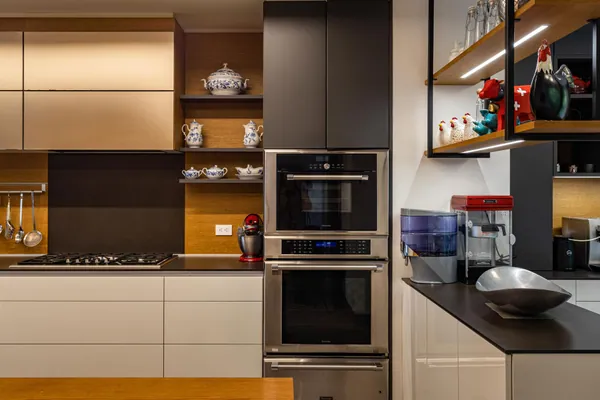
High surfaces behind fans and air units collect layers of cooking grease and fine dust carried by the polluted air, building up into sticky residue.
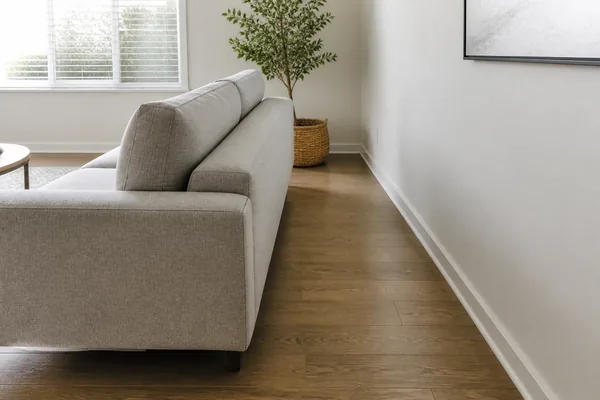
Behind furniture and under sofas, trapped odours accumulate from multiple directions with fine grease particles bonding in the moisture, creating stale air pockets.
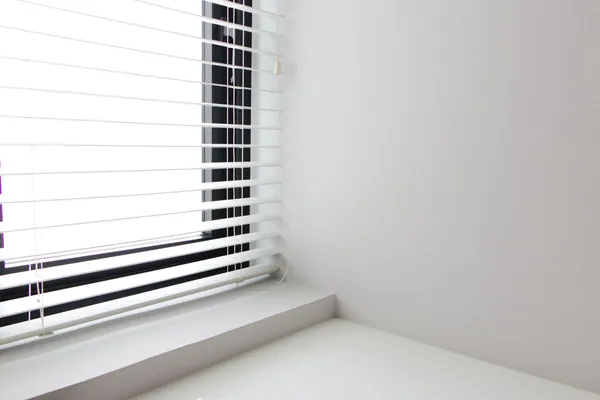
Windows and tracks collect layers of cooking grease and black diesel dust, and the glass becomes cloudy quickly from the combined deposits.
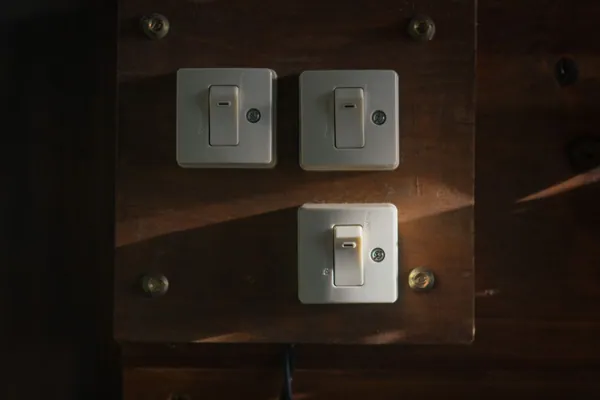
Doors, handles, switches and touch points become sticky from grease and dust buildup, and deep cleaning must remove these layers to keep metal and wood surfaces functional.
Every home has rooms that need it more.
Ceiling corners, fans, vents, cabinet and door tops, dusted before water touches anything, so we aren't turning dust into streaks on the surfaces below.
Counters, fronts, the tops above the cabinets and the hood.
Scale on glass and taps and in the grout is dissolved, not scrubbed dry and hoped over.
Skirting, switches, frames and edges, plus the floor and walls behind furniture we can safely move.
Floors come last, after the dust above has been cleared.
Mixed district: shops at street level with homes above them
Mixed district here means flats and villas share the same polluted air: hospital odours, shop smells, cooking fumes and diesel exhaust all travel in the same direction. Deep cleaning must address embedded odours, not just visible dirt, because the air itself is the source.
Deep cleaning is about the tops, edges, grout and behinds, the places a routine clean is not meant to reach.
We send a team, not one person, so a whole home is done in one visit instead of a job that drags across days.
Degreasers, descalers and machines arrive with the team, no waiting because a tool is at another customer's home.
If a stain is set or grout needs replacing rather than cleaning, we tell you.
Photographs from real jobs carried out by the crew.












The commitment is simple enough to actually keep: we don't leave until you've walked the home and told us what you think.
Work is organised around the main hub landmarks: Al Zahra Hospital and Saudi German Hospital mark key orientation points and make address coordination straightforward in this dense mixed-use district.
We provide these in Al Zahra too, and more than one can share a single visit.



