
We clean for the layer you don't see
Deep cleaning is about the tops, edges, grout and behinds, the places a routine clean is not meant to reach.
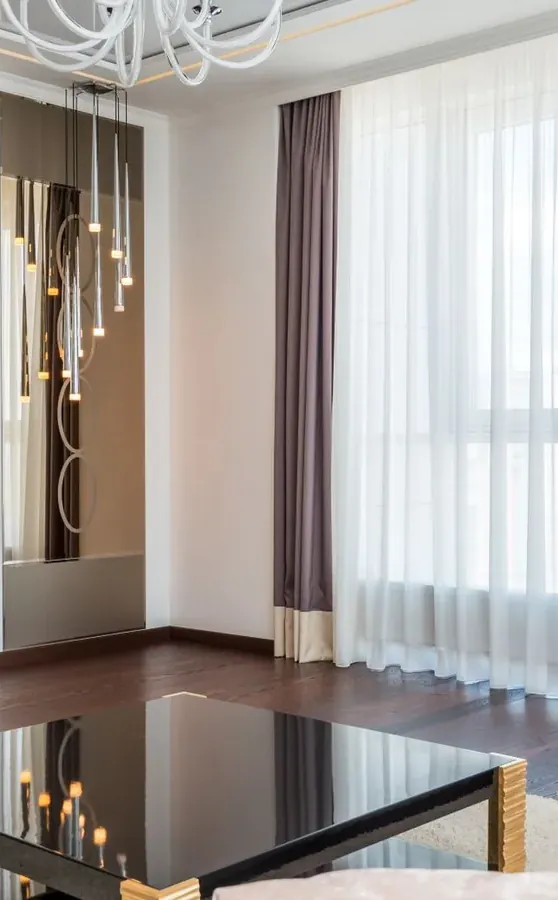
Al Waziriyah is a small mixed district of south Jeddah, sandwiched between Al Falah Road to the north and the heavy lorry routes on all other sides, trapped between the sea and the fast traffic. Dark diesel soot from the trucks settles on every surface. Coastal humidity adds mould in bathrooms. Old cement floors turn black where the soot is walked.
Soot here is darker and heavier than in neighbouring Al Farouq. It sticks fiercely to net curtains and leaves dark marks on light coloured flooring almost instantly. For the method itself, see our deep cleaning service in detail.
The expressways and heavy lorries surrounding Al Waziriyah release fine black soot that drifts under doors and through window gaps into homes. This soot mixes with coastal moisture and becomes sticky, clinging to light curtains and furniture, leaving a dark line on floors where it is walked in daily. Corners and skirting boards gather a black film.
Homes here sit between the sea and the fast roads. High humidity brings persistent mould in bathroom corners, closed cupboards and stored fabrics. Black mould appears rapidly on damp walls and in poorly ventilated bathrooms. Damp smell lingers in stored clothes despite daily airing.
Floors in older homes are plain cement or simple ceramic tile. They absorb soot and moisture together, turning black at foot traffic points. Scrubbing hard may not restore them to their original colour without regular maintenance and sealing.
The district lies hemmed by lorry routes and logistics hubs, near Prince Abdullah Al Faisal Stadium and King Abdulaziz Hospital. Housing here is older and the drainage infrastructure is ageing.
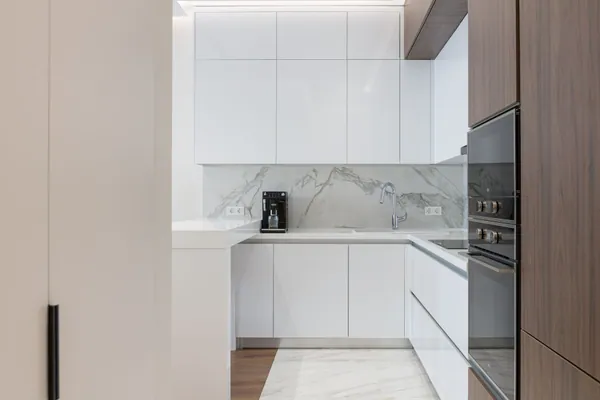
The kitchen needs care from airborne soot drifting from the road, as well as cooking grease. Upper cabinet tops and high surfaces carry a black layer of mixed soot and cooking residue.
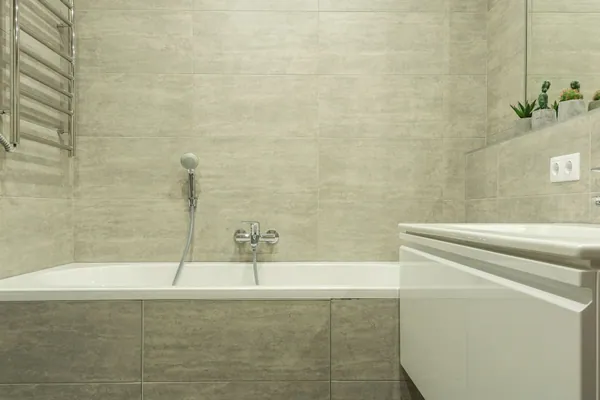
The bathroom suffers from coastal humidity creating persistent black mould on walls and tile. Dark corners need intensive treatment to remove mould buildup on damp plaster and grout.
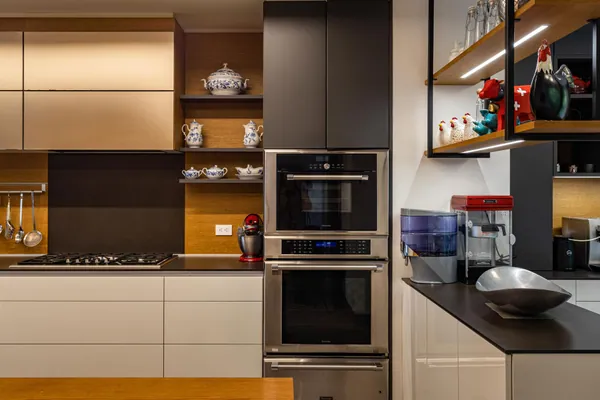
Windows and frames trap soot deposits heavily and blacken quickly. Metal frames need scrubbing to remove soot, and tracks collect fine black grit.
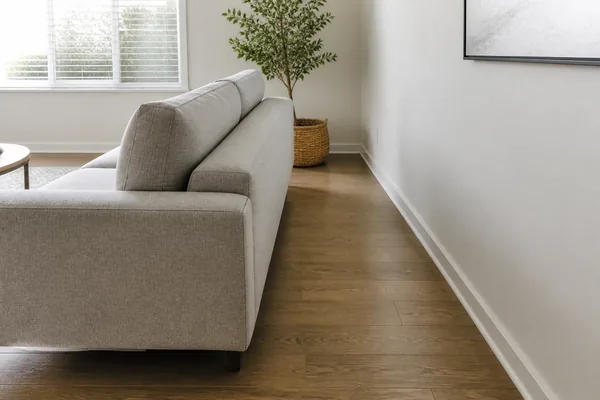
Behind furniture and in dark corners, coastal moisture and soot collect together, creating mould and musty odours in enclosed spaces that are rarely disturbed.
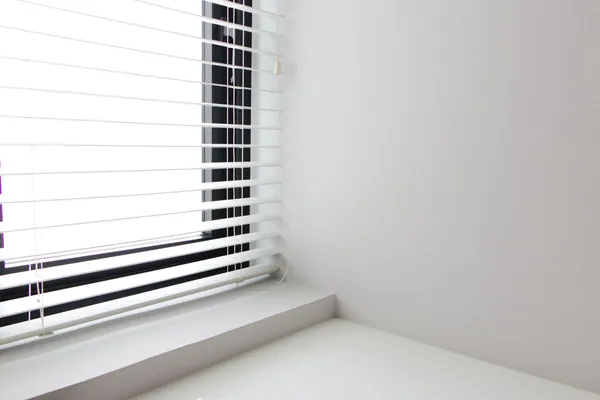
Ceilings and ceiling fans carry a thick layer of black soot from the expressway. Cleaning from the top down prevents soot falling on freshly cleaned lower surfaces.
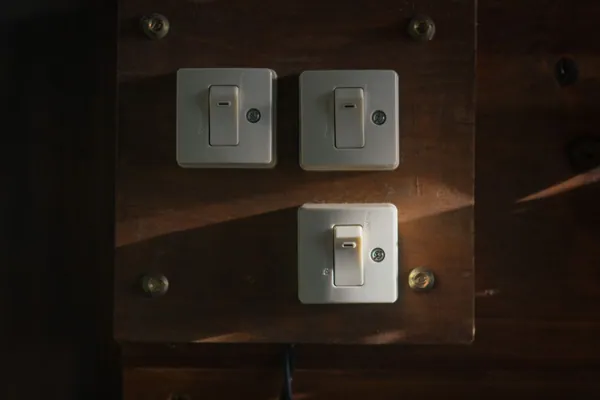
Doors, switches and high touch points become visibly blackened by soot and require scrubbing. Their cleaning noticeably brightens the whole home.
Every home has rooms that need it more.
Ceiling corners, fans, vents, cabinet and door tops, dusted before water touches anything, so we aren't turning dust into streaks on the surfaces below.
Counters, fronts, the tops above the cabinets and the hood.
Scale on glass and taps and in the grout is dissolved, not scrubbed dry and hoped over.
Skirting, switches, frames and edges, plus the floor and walls behind furniture we can safely move.
Floors come last, after the dust above has been cleared.
Flats and villas near Al Falah Road and Prince Abdullah Al Faisal Stadium bear the heaviest soot load. Work begins by clearing soot from high surfaces and windows first, then addresses mould in moisture-prone bathrooms and enclosed spaces.
Deep cleaning is about the tops, edges, grout and behinds, the places a routine clean is not meant to reach.
We send a team, not one person, so a whole home is done in one visit instead of a job that drags across days.
Degreasers, descalers and machines arrive with the team, no waiting because a tool is at another customer's home.
If a stain is set or grout needs replacing rather than cleaning, we tell you.
Photographs from real jobs carried out by the crew.












The commitment is simple enough to actually keep: we don't leave until you've walked the home and told us what you think.
South Jeddah runs from the port and the industrial city down towards Al Khumrah, and homes here sit between the sea and the heavy goods roads. The dust is darker and oilier than in the north, a mix of diesel soot and workshop grit, and it clings to net curtains, window sills and the tops of kitchen cupboards. Floors in the older low rise housing are often plain cement or ceramic tile that darkens where soot is walked in. Humidity from the coast adds mildew in bathrooms and a musty smell in stored fabrics.
We provide these in Al Waziriyah too, and more than one can share a single visit.



