
We clean for the layer you don't see
Deep cleaning is about the tops, edges, grout and behinds, the places a routine clean is not meant to reach.
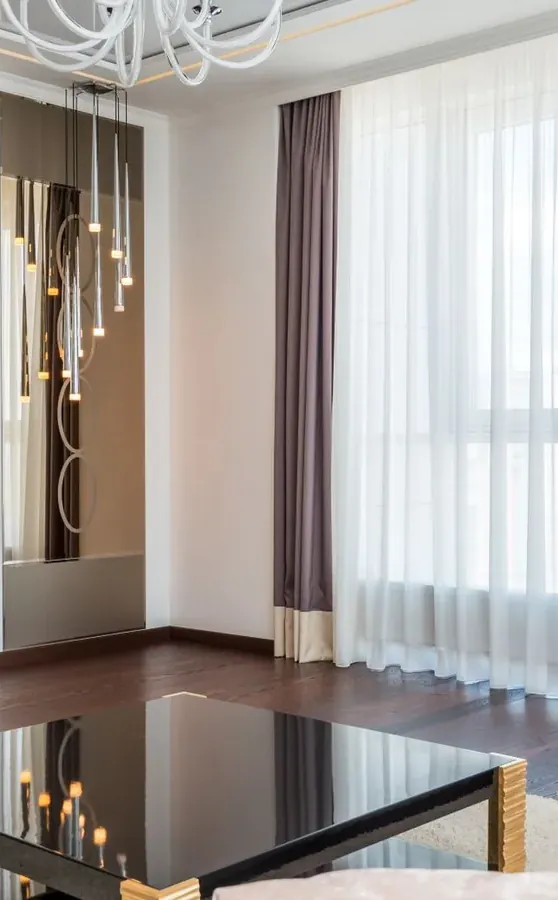
Al Qaws is a mixed district in east Jeddah among valleys and hills, on the course of Wadi Al Qaws, the valley that was the source of Jeddah's famous 2009 flood. Dust from the valleys is coarse and heavy, ground moisture lingers from wadi seepage beneath the surface, and deep cleaning here differs from work on stable, level ground.
Coarse valley dust enters homes differently than fine sand, and subsurface wadi moisture causes unusual dampness in building foundations and ground-floor tiles. For the method itself, see our deep cleaning service in detail.
The valleys and hills surrounding Al Qaws release coarse heavy dust quite different from fine beach sand. This dust contains larger, heavier particles and enters homes differently, settling rapidly under furniture. Removal from fabrics and curtains requires greater care than fine sand does.
Wadi Al Qaws, which gives the district its name, means subsurface moisture drains slowly through the ground. This causes unusual dampness in building foundations and ground floors, stale smell in low-level homes, and mould in dark corners and basements that standard airing does not address.
Wadi Al Qaws was the source of the 2009 flood, and homes here bear the memory of that event. When heavy rain comes, some homes remain vulnerable to rising moisture, and old walls may retain deeper damp. Deep cleaning includes removing moisture accumulated in walls over time.
A valley and hill zone near Mareekh Mountains, on the course of Wadi Al Qaws which retains moisture beneath ground level. The terrain is unstable throughout, and drainage is slow.
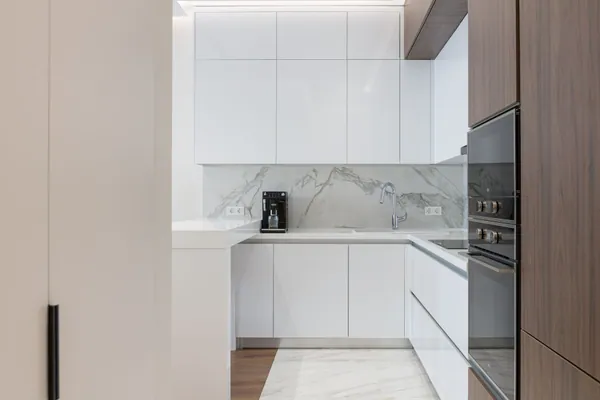
Cooking grease accumulates on high surfaces, and wadi moisture makes it sticky and hard to remove.
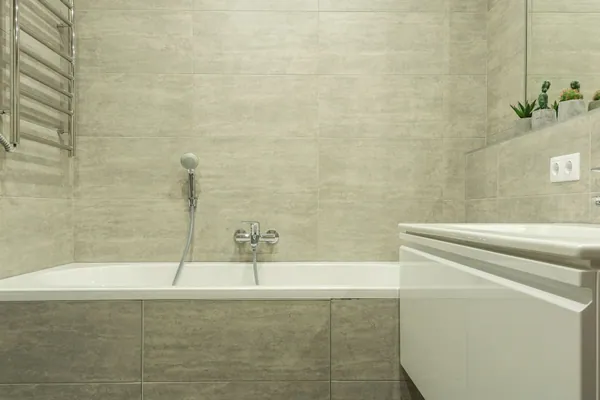
Lime scale is slightly less common because water here is less hard, but mould from moisture dominates bathrooms and corners.
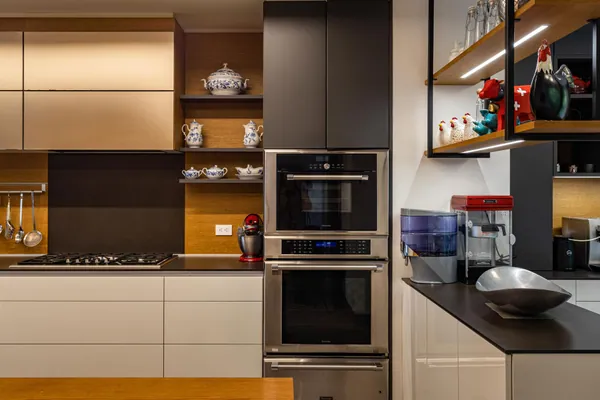
Coarse valley dust settles fast on high shelves, curtains and windows.
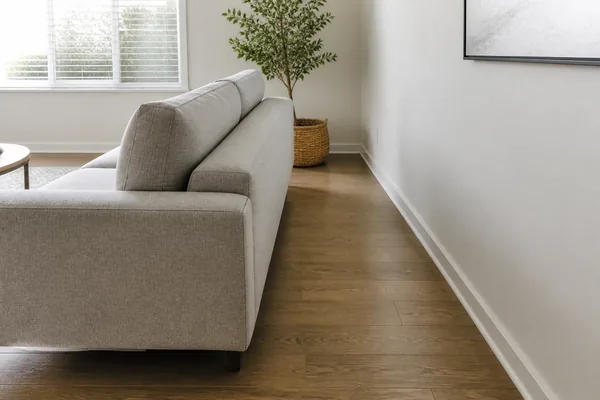
Under furniture, heavy valley dust accumulates and resists ordinary sweeping.
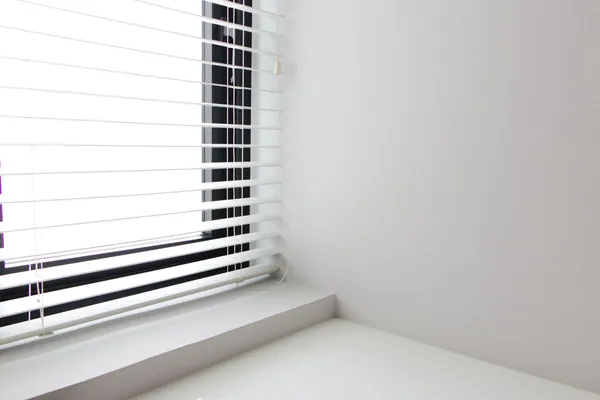
Windows and tracks suffer coarse dust and moisture buildup on glass and frames.
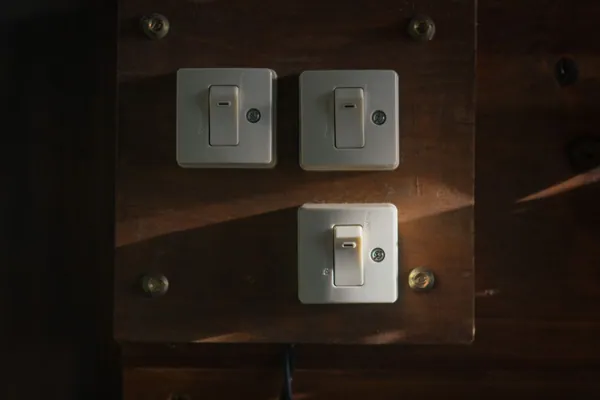
Doors, switches and edges retain more moisture than in ordinary districts, and metal may rust quickly.
Every home has rooms that need it more.
Ceiling corners, fans, vents, cabinet and door tops, dusted before water touches anything, so we aren't turning dust into streaks on the surfaces below.
Counters, fronts, the tops above the cabinets and the hood.
Scale on glass and taps and in the grout is dissolved, not scrubbed dry and hoped over.
Skirting, switches, frames and edges, plus the floor and walls behind furniture we can safely move.
Floors come last, after the dust above has been cleared.
Mixed district: shops at street level with homes above them
Mixed district on the wadi means subsurface moisture is constant, and coarse valley dust differs from fine sand. Deep cleaning here focuses on removing moisture and mould from fabrics and walls, and on managing heavy valley dust that does not airborne easily.
Deep cleaning is about the tops, edges, grout and behinds, the places a routine clean is not meant to reach.
We send a team, not one person, so a whole home is done in one visit instead of a job that drags across days.
Degreasers, descalers and machines arrive with the team, no waiting because a tool is at another customer's home.
If a stain is set or grout needs replacing rather than cleaning, we tell you.
Photographs from real jobs carried out by the crew.












The commitment is simple enough to actually keep: we don't leave until you've walked the home and told us what you think.
The district sits on the course of Wadi Al Qaws which marks its location, near Mareekh Mountains where position is easily identified and access is straightforward from roads leading to Umm Al Salm Sub-Municipality.
We provide these in Al Qaws too, and more than one can share a single visit.



