
We clean for the layer you don't see
Deep cleaning is about the tops, edges, grout and behinds, the places a routine clean is not meant to reach.
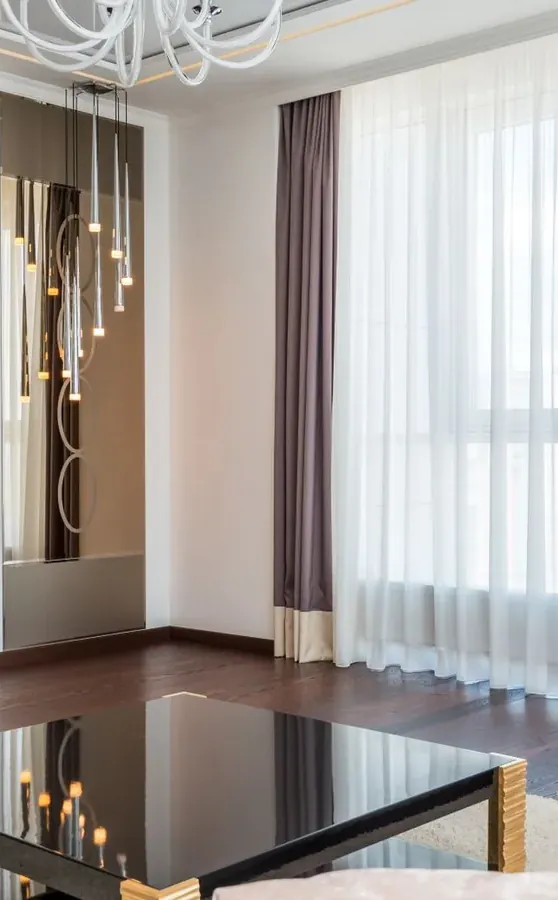
Al Karamah is residential district in south Jeddah sitting between the sea and the heavy goods routes. Dust here is darker and greasier than in the north, a mixture of diesel soot and workshop grit clinging to net curtains, window sills and the tops of kitchen cupboards. Floors in older homes are often plain cement or cheap ceramic that darkens where soot is walked in. Humidity from the coast adds mildew in bathrooms and a musty smell in stored fabrics.
Residents in Al Karamah notice a mixed smell of salt and oil in the air, and stored fabrics take on a musty smell mixed with diesel traces, while high surfaces retain an oily dampness. For the method itself, see how we approach deep cleaning.
Diesel soot from traffic routes and salt from the sea deposit together on curtains, furniture and walls, making surfaces both greasy and damp at the same time. Cleaning needs to tackle the oils first, then remove salt, and this combination is extremely difficult. Each layer protects the one beneath it.
Proximity to the sea means moisture enters walls, wooden cabinets and fabrics rapidly. Mould grows in damp corners and bathrooms, and stored fabrics develop musty odours. Even after a deep clean, rising damp can return. The building itself is the source, not just what accumulates inside.
Raw cement and cheap ceramic floors absorb soot and salt into their pores, becoming visibly blackened with accumulated layers. Cleaning needs strong chemical treatment repeated, because the staining is deep and permanent in the material itself.
The district sits on the edge of south Jeddah between the port and industrial areas, with homes positioned between the sea on one side and heavy truck routes on the other. The air carries both salt from the sea and soot from diesel engines.
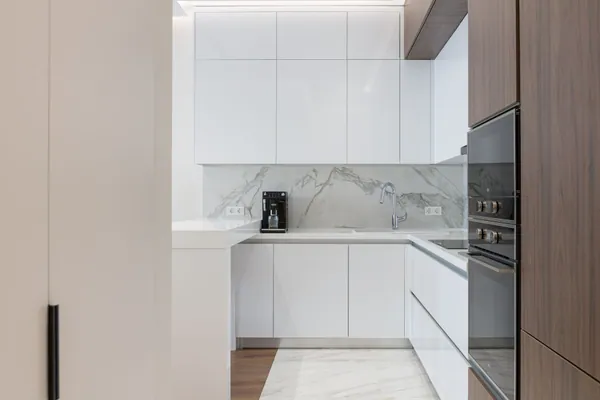
The kitchen in Al Karamah needs specialist treatment for oils and salt together from surfaces, cupboards and floors, with years of mixed residue difficult to remove.
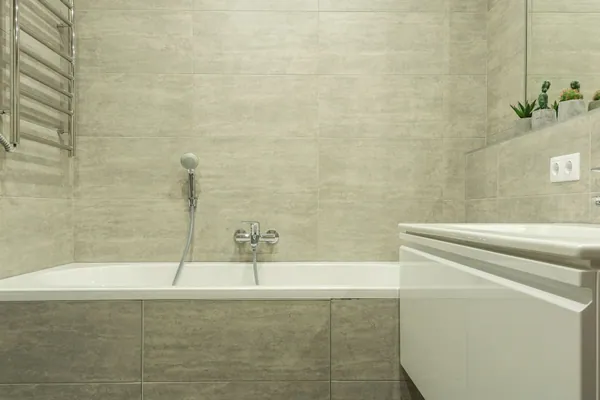
Damp bathrooms need thorough cleaning to remove mould and moisture, and pipes and taps carry heavy rust needing specialist treatment.
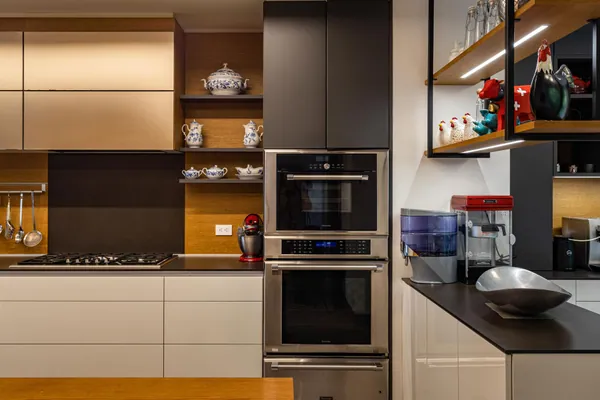
High surfaces and fans collect oily damp residue from the salt and soot mixture, and need deep cleaning with specialist products.
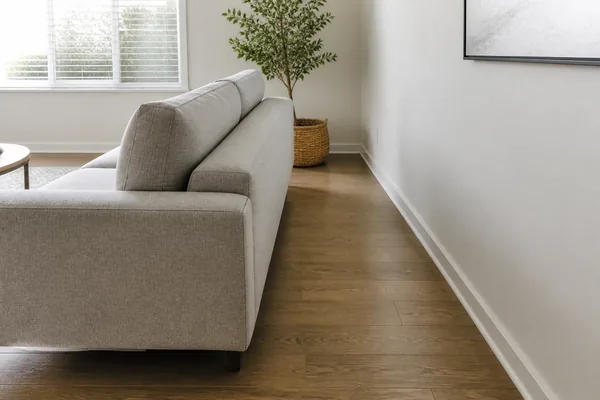
Behind furniture and cupboards, moisture, mould and soot settle together, and the floor beneath becomes damp and blackened.
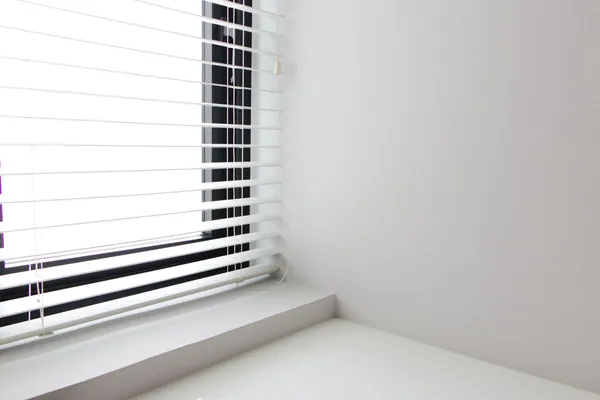
Windows and frames trap salt and soot together, and glass clouds with a layer of greasy, salty film.
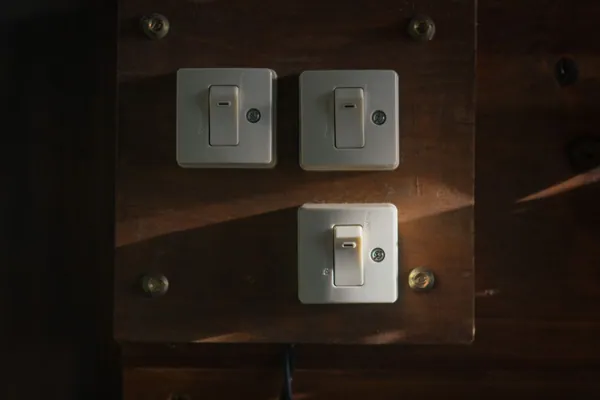
Doors, switches and railings hold moisture and traces of salt and soot from the polluted air.
Every home has rooms that need it more.
Ceiling corners, fans, vents, cabinet and door tops, dusted before water touches anything, so we aren't turning dust into streaks on the surfaces below.
Counters, fronts, the tops above the cabinets and the hood.
Scale on glass and taps and in the grout is dissolved, not scrubbed dry and hoped over.
Skirting, switches, frames and edges, plus the floor and walls behind furniture we can safely move.
Floors come last, after the dust above has been cleared.
Mixed district: shops at street level with homes above them
A mixed district in south Jeddah means the problem is not ordinary dust or coastal salt alone, but a combination of diesel soot, salt and high moisture together. Deep cleaning must tackle oils, salt and moisture all at once, not treat one in isolation.
Deep cleaning is about the tops, edges, grout and behinds, the places a routine clean is not meant to reach.
We send a team, not one person, so a whole home is done in one visit instead of a job that drags across days.
Degreasers, descalers and machines arrive with the team, no waiting because a tool is at another customer's home.
If a stain is set or grout needs replacing rather than cleaning, we tell you.
Photographs from real jobs carried out by the crew.












The commitment is simple enough to actually keep: we don't leave until you've walked the home and told us what you think.
South Jeddah runs from the port and the industrial city down towards Al Khumrah, and homes here sit between the sea and the heavy goods roads. The dust is darker and oilier than in the north, a mix of diesel soot and workshop grit, and it clings to net curtains, window sills and the tops of kitchen cupboards. Floors in the older low rise housing are often plain cement or ceramic tile that darkens where soot is walked in. Humidity from the coast adds mildew in bathrooms and a musty smell in stored fabrics.
We provide these in Al Karamah too, and more than one can share a single visit.



