
We test before we clean
Testing the material on a hidden spot is a step we treat as necessary, not optional.
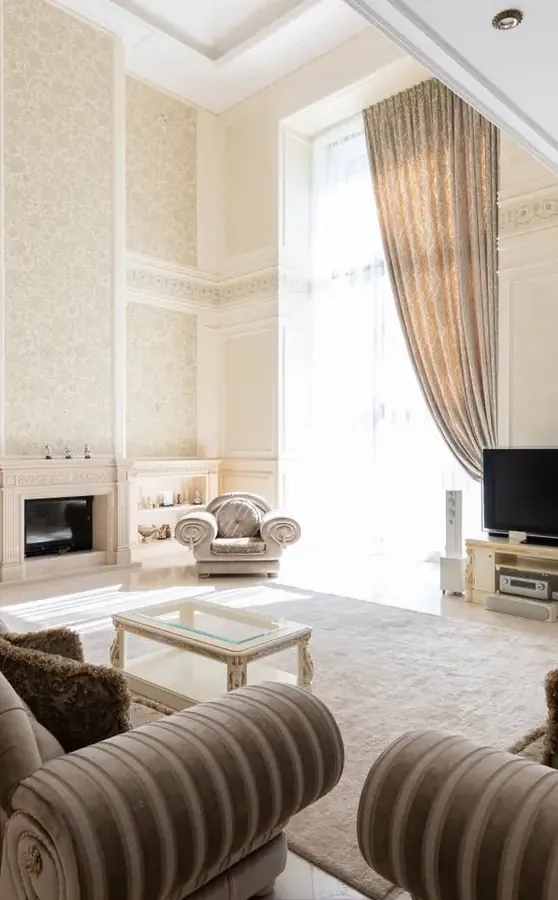
Al Shati sits on the Red Sea shore where humidity is high year-round and salt air deposits on every surface. Carpet here dries slowly and requires deep cleaning followed by aggressive extraction before drying can begin safely.
Carpet retains moisture longer here than in inland areas, and mildew can appear if extraction is not strong enough. Salt smell settles into both curtains and carpet at the same time. For the method itself, see what carpet and rug cleaning involves.
Salt-laden air settles on every thread, stiffening the pile and dulling the colour. Washing with fresh water lifts both salt and embedded soil. Strong extraction prevents mildew forming as the carpet dries in humid air.
Coastal carpet takes longer to dry because humidity from the air re-enters the pile. We extract at higher pressure than inland work and run air movers to speed evaporation and prevent trapped moisture turning to mildew.
Fitted carpet on a coastal floor may conceal mildew developing underneath if it stays damp. We extract with high pressure and measure moisture levels under the carpet before we leave to prevent fungal growth.
Directly on Jeddah's Corniche with seafront hotels and attractions, subject to consistently high salt humidity that affects everything indoors throughout the year.
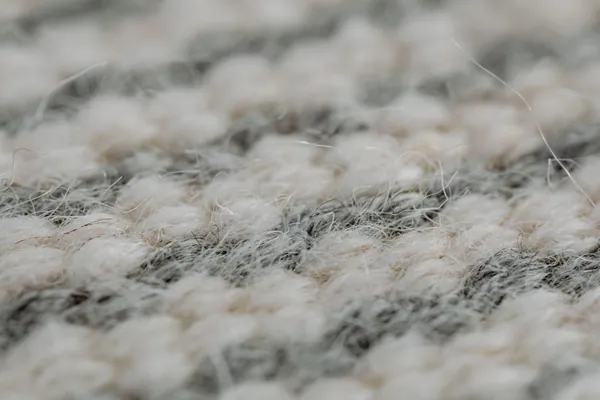
Coastal carpet is often wool or natural fibre that shrinks quickly if cooled. We sort the fibre type precisely and use warm rather than hot water to preserve the pile while lifting salt and soil.
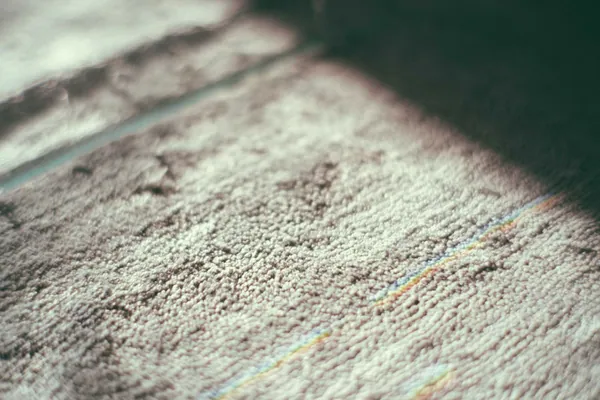
Dry vacuuming on the coast must be forceful because humidity makes dust heavier. We vacuum the same area several times to remove every light particle before we add water.
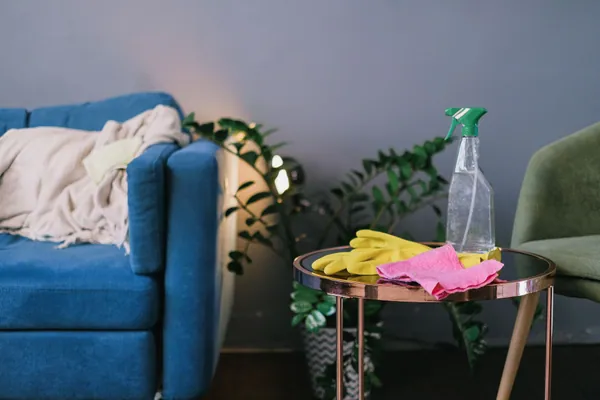
Stains here may be crystallised salt, mildew or marks from salt water. Each type needs different treatment. We test a corner first and explain what can and cannot be lifted in one session.
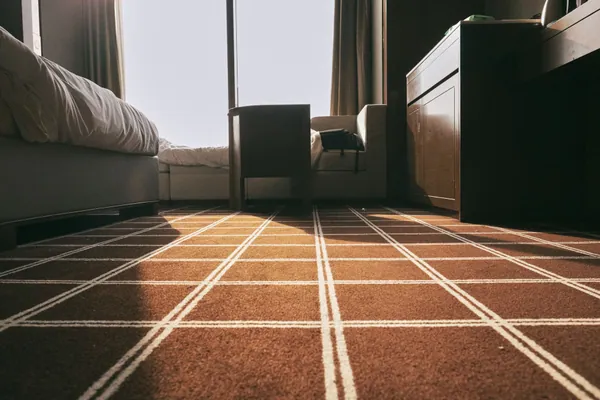
Natural fibres on the coast need warm extraction at moderate flow, not scalding temperatures and not cold. Hot water sterilises but damages wool. We balance cleaning power with fibre protection.
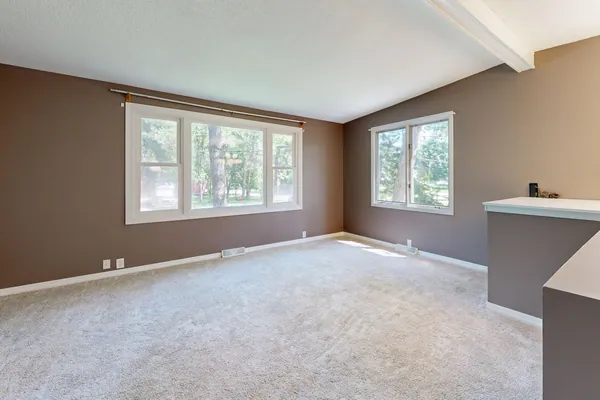
Fitted carpet on the coast needs powerful wet extraction because underneath stays damp longer. We extract in overlapping passes and check moisture levels before we leave to prevent mildew forming later.
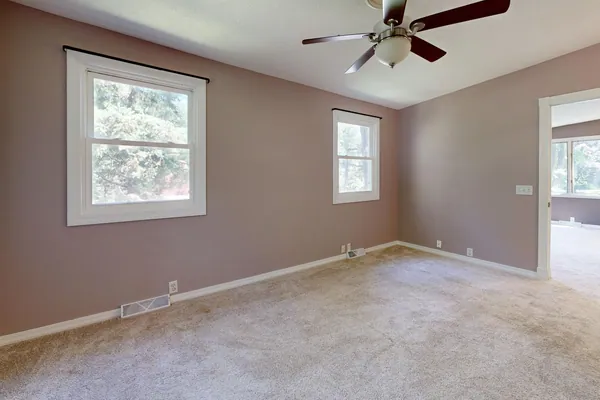
Final drying on the coast needs air movers running for four to six hours after we leave. We may recommend closing the space briefly to contain humidity and speed evaporation, then full ventilation once it is damp but not wet.
Wool, synthetic and silk-blends do not take the same heat or the same material.
Before any water.
An oil stain is not treated like a juice stain.
Hot water loosens what is bound in the pile and the extractor pulls it straight back out with the water, together, so nothing is left sitting in the base.
The borders and fringe are done by hand, where machines skip and where wear shows first, so the whole rug looks even.
The carpet is left slightly damp, not wet.
Testing the material on a hidden spot is a step we treat as necessary, not optional.
The company runs a large workforce, and we send a team rather than one worker.
The deep vacuum and extraction machines are ours and arrive with the team.
If a rug needs repair or re-fringing rather than cleaning, we say so.
Photographs from real jobs carried out by the crew.












The commitment is simple enough to actually keep: we do not leave before you have seen the result and told us what you think.
Coastal area: high humidity and salt air through the year
High humidity and salt air deposit on the pile and slow drying dramatically. We extract at higher pressure than inland work, use moderate heat to protect the fibre, and run powerful air movers to ensure safety and speed up evaporation before trapped moisture turns to mildew.
We provide these in Al Shati too, and more than one can share a single visit.



